Recent geological findings have unveiled a fascinating chapter in Earth’s history, showcasing a time when our planet transformed from a warm tropical paradise into a frozen wasteland. This extraordinary transition, termed the "Cryogenian," is now documented in ancient rocks discovered on a remote archipelago in Scotland. The implications of this discovery are significant for understanding the climate changes that have shaped our world. This article delves into the details of this remarkable geological record and its importance in the context of Earth's climatic history.
🌍 The Discovery of Ancient Rocks
Scientists have recently made a groundbreaking discovery in Scotland's Inner Hebrides, where they unearthed ancient rocks dating back between 720 to 662 million years. These rocks provide a comprehensive geological record that captures the transition from a warm environment to a planet-wide freeze. The significance of these rocks lies in their preservation; unlike many other regions worldwide, glacial activity has not erased this geological history.

Located on the Garvellachs, these rocks are a geological time capsule. They reveal the climatic shifts that occurred during the Cryogenian period, a time notorious for its dramatic climate changes. The research team focused on thick rock layers, some exceeding half a mile in thickness, which hold vital information about Earth's ancient environment.
🔬 Analyzing the Geological Layers
To understand the history embedded within these rocks, researchers analyzed tiny zircon crystals contained in the samples. Zircons are invaluable in geological studies because they contain uranium, which decays into lead over time. By measuring the decay rates, scientists can accurately date the formation of the rocks.
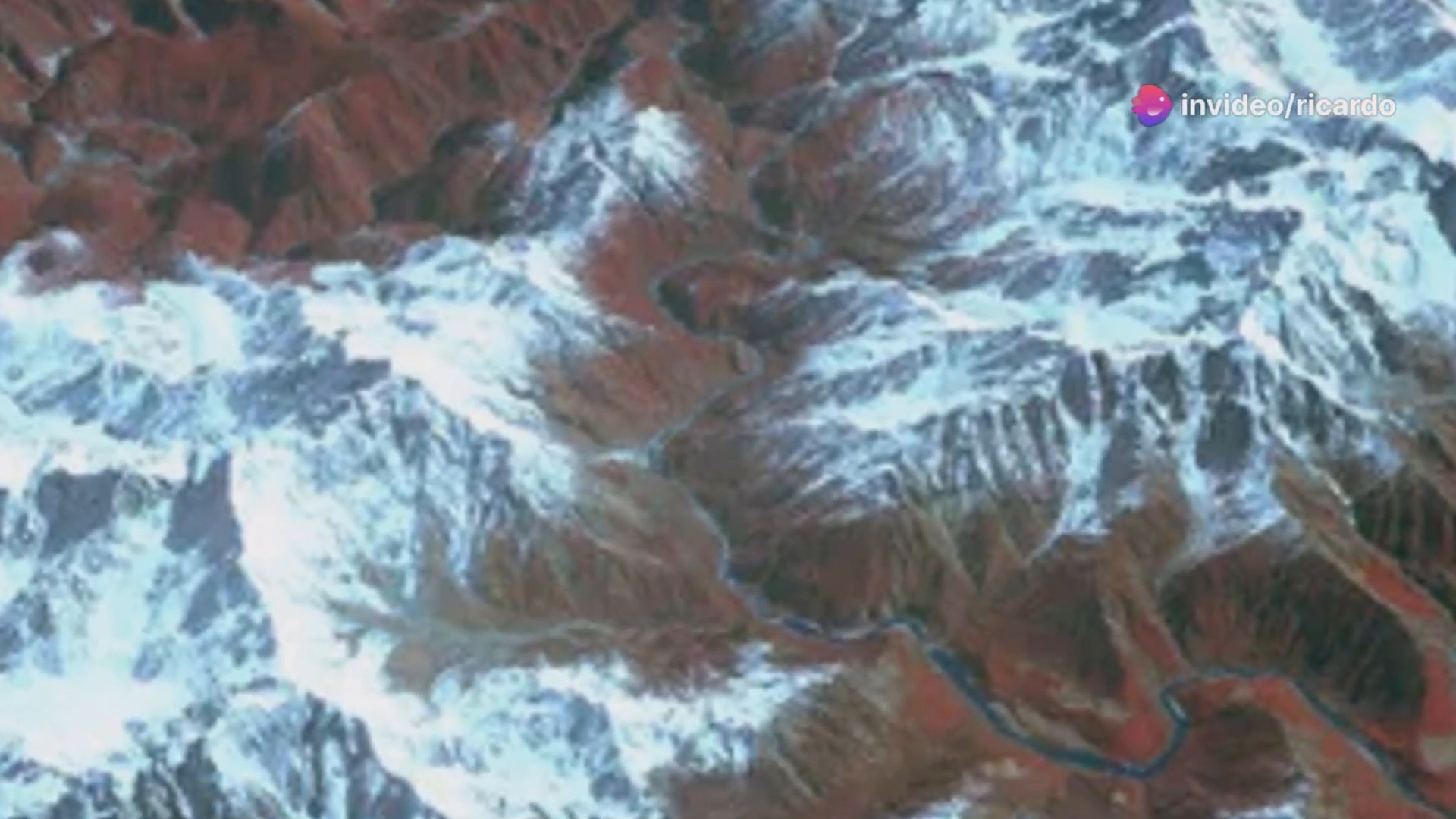
The findings revealed that the lower layers of these rocks formed in warm, tropical waters teeming with cyanobacteria. This indicates a prolonged period of warmth before a significant temperature drop occurred, marking the end of a billion-year-long temperate climate on Earth. The geological record in Scotland thus serves as a critical point of study for understanding past climate conditions.
📜 The Golden Spike Potential
The discovery has far-reaching implications for the field of geology. The rocks from the Garvellachs could potentially be recognized as a "golden spike" by the International Commission on Stratigraphy. A golden spike signifies a major shift in geological time periods, and if ratified, this site would officially mark the transition from the Tonian period to the Cryogenian period.
This recognition is crucial as it highlights the importance of the Garvellachs in understanding Earth's geological history. The clarity and completeness of the rock formations provide a unique insight into one of the most significant climate transitions in Earth's history. This geological marker could serve as a reference point for future studies on climate change and Earth’s climatic systems.
🌡️ Understanding Climate Shifts
Studying these ancient rocks is not merely an academic exercise; it is essential for grasping how Earth's climate system operates. By analyzing past climate conditions, scientists can draw parallels with current climate challenges and predict future trends. The ancient climatic data embedded in these rocks can offer insights into how Earth might respond to ongoing environmental changes.

As we face unprecedented climate challenges today, understanding how the planet has responded to similar changes in the past becomes increasingly important. Learning from these geological records can help inform strategies for addressing current and future climate issues.
❓ Frequently Asked Questions
What is the Cryogenian period?
The Cryogenian period is a significant time in Earth's history, characterized by extreme glaciation and dramatic climate shifts. This period is known for the "Snowball Earth" hypothesis, suggesting that glaciers covered much of the planet.
Why are the rocks in Scotland significant?
The rocks in Scotland provide a rare and well-preserved geological record of the transition from a warm climate to a frozen one, making them invaluable for studying Earth's climatic history.
What is a golden spike?
A golden spike is a geological marker that signifies a major shift in geological time periods. It serves as an official reference point for distinguishing between different epochs in Earth's history.
How can studying ancient rocks help with current climate issues?
By understanding past climate conditions recorded in ancient rocks, scientists can gain insights into how Earth’s climate system works, which can inform strategies to tackle current and future climate challenges.
📚 Conclusion
The discovery of ancient rocks in Scotland has opened up a new chapter in our understanding of Earth's climatic history. These rocks not only document a crucial transition from a warm environment to a frozen planet but also hold the potential to become a golden spike, marking a significant geological milestone. As we continue to face climate challenges, the insights gleaned from these ancient formations will be invaluable in shaping our understanding of Earth's climate system and informing future actions.
For those interested in furthering their understanding of geological methods and supporting ongoing research, consider visiting Golden Droplets, where advanced geological techniques are discussed and shared.
Additionally, for more information on the geological significance of these findings, check out the article on Live Science.
As we continue to explore our planet's history, it is clear that the lessons learned from the past are essential in navigating our future. The journey of understanding how Earth turned into a giant snowball is just one of the many incredible stories waiting to be uncovered.
P. Geo. Ricardo A Valls, M. Sc.
Valls Geoconsultant
ORCID ID- https://orcid.org/0000-0002-5421-0914
Scopus Author ID: 7003369619/35335510700
ResearcherID: S-6604-2018
If you like this content, please "buy me a coffee" https://www.buymeacoffee.com/goldendroplets
#planetearth #geology #mining #exploration #education #earthscience #geologia #earthscienceteacher #cienciasnaturales #cienciasgeologicas #geochemistry #geochemistrybooks #geoquimica #trainingcourses #teachingonline #vallsgeoconsultant #vallsvg #technotectonics #goldendroplets #geovoices
Made with VideoToBlog


No comments:
Post a Comment