Wednesday, July 31, 2024
https://youtu.be/RwxIaWz5oRc


https://youtu.be/fb3bKFeX1gk
https://youtu.be/IDRIG4IWog4
https://youtu.be/_Qj2a2e4aDU
Tuesday, July 30, 2024
https://youtu.be/Rjk1gJ2y9w0
Monday, July 29, 2024
https://youtu.be/Rjk1gJ2y9w0
https://youtu.be/wpsB9glhemA
https://youtu.be/mpGy-34m5CE
https://youtu.be/5F5dtQ-u7EU
https://youtu.be/40gokz-rtFc
https://youtu.be/A40tWKzkvBA
https://youtu.be/UQ6vj7T6uSc
Sunday, July 28, 2024
https://youtu.be/ZC5J_F2Ve4A
https://youtu.be/swUBTrRW-NY
Saturday, July 27, 2024
https://youtu.be/avd2Q3HG7Ks
https://youtu.be/7t4Rk93-5_s
https://youtu.be/6fCa_WGYG6A
https://youtu.be/xhb7-BHttIw
https://youtu.be/pJghie6IYTg
Friday, July 26, 2024
https://youtu.be/XpFVNQcZ0bE
https://youtu.be/Dp3rPWZQxwo
Thursday, July 25, 2024
https://youtu.be/sSracphW9oM
https://youtu.be/TQLiRzeeS8g
https://youtu.be/gL4feASQSE0
https://youtu.be/H5oe4Nh-6dc
https://youtu.be/vs9dKQquIpo
https://youtu.be/PCuicw2P5K4
https://youtu.be/e1clPO0TAwc
Wednesday, July 24, 2024
https://youtu.be/I_2ZgyKEDnU
https://youtu.be/NApESaCWXz0
https://youtu.be/CkX2hDbxDls
https://youtu.be/AdI8gkZ1cj8
https://youtu.be/otzu3g-G2dA
https://youtu.be/VsPa89gdcdo
https://youtu.be/bRblRL8-vZA
https://youtu.be/de7O2FF87K4
Tuesday, July 23, 2024
https://youtu.be/_N9UHmgbafI
https://youtu.be/Qzoc3RrpBW0
Kudos, ORCID, and Geology: A Comprehensive Guide
In today's academic and industrial landscape, managing publications and projects effectively is essential. Kudos and ORCID are two powerful tools that can help professionals, especially in the field of geology, streamline their work. In this blog, I will guide you through the functionalities of Kudos and ORCID, detailing how to use them effectively for managing your publications and projects.
Step 1: Introduction to Kudos 🌟
Kudos is a platform designed to help researchers and professionals manage their publications efficiently. It allows users to compile a comprehensive list of their works and provides statistics regarding citations and other metrics. This can be particularly useful for geologists looking to showcase their research and track its impact.

To get started, visit grow.kudos.com. Here, you can create an account and start adding your publications. The platform is user-friendly and offers a free service that allows you to link your publications directly in your CV. This feature enables potential collaborators or employers to view your work easily.
Step 2: Adding Publications to Kudos 📄
Once you have set up your Kudos account, the next step is to add your publications. You can do this by simply entering the title or DOI (Digital Object Identifier) of your publication. Kudos will automatically search for your publication details and populate the relevant fields for you.
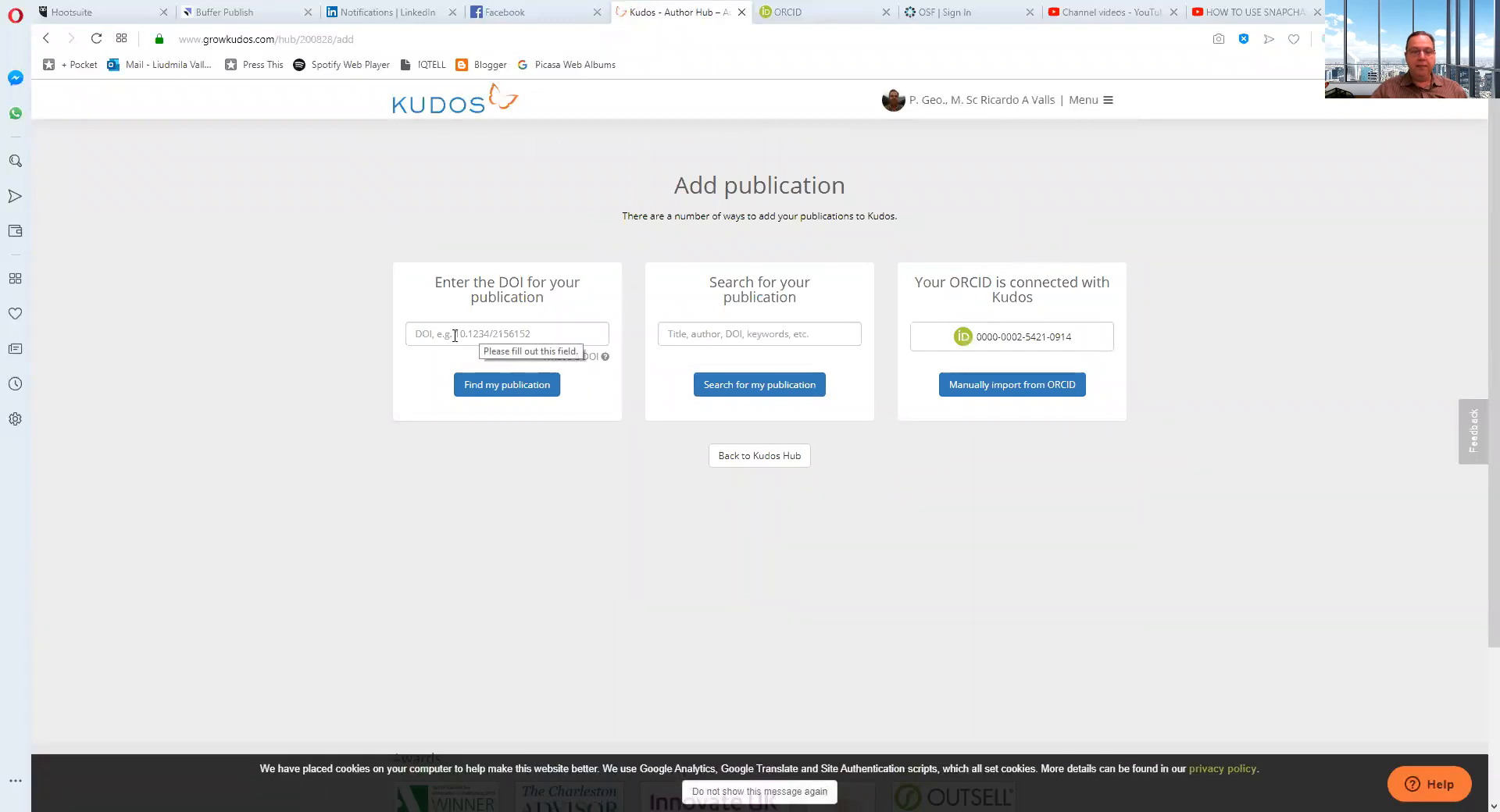
This ease of use makes Kudos a valuable tool, especially for geologists who may have numerous publications to manage. Additionally, Kudos provides statistics such as citation counts and Altmetrics, which can help you understand the reach and impact of your work.
Step 3: Understanding Projects in Kudos 📊
One of the standout features of Kudos is its project management capabilities. This functionality allows users to plan and execute projects effectively. You can create multiple projects and manage them through a dedicated dashboard.
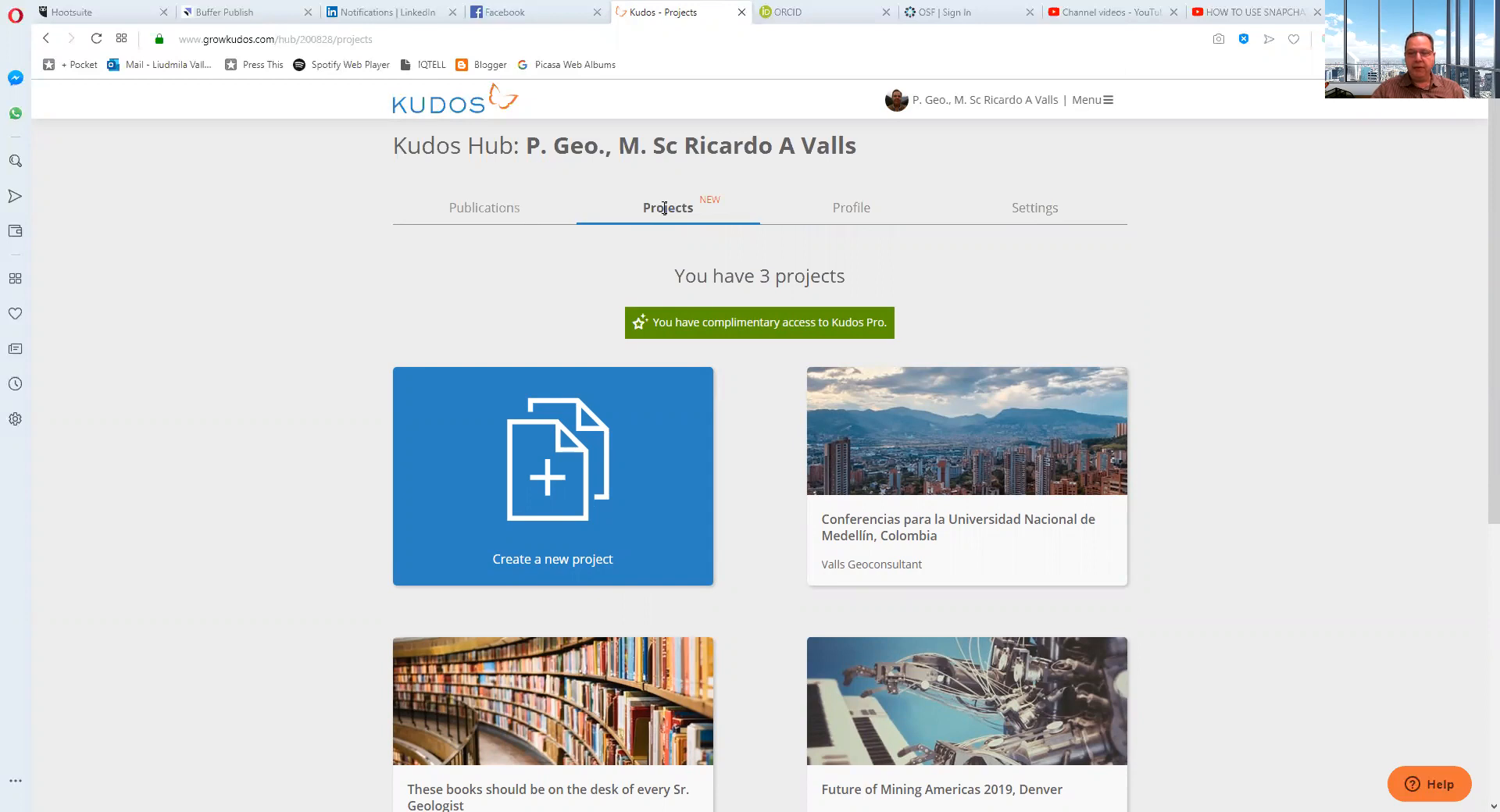
To create a project, select the "Projects" tab. Here, you can input all relevant details, including the project's title, description, and the intended audience. This feature is especially useful for geologists who need to keep track of multiple research projects simultaneously.
Step 4: Planning Your Project Activities 📅
Once your project is set up, Kudos allows you to create a detailed communication plan. This involves defining your target audience, which can range from peers in your field to industry professionals. Understanding your audience is crucial for tailoring your communication strategies effectively.
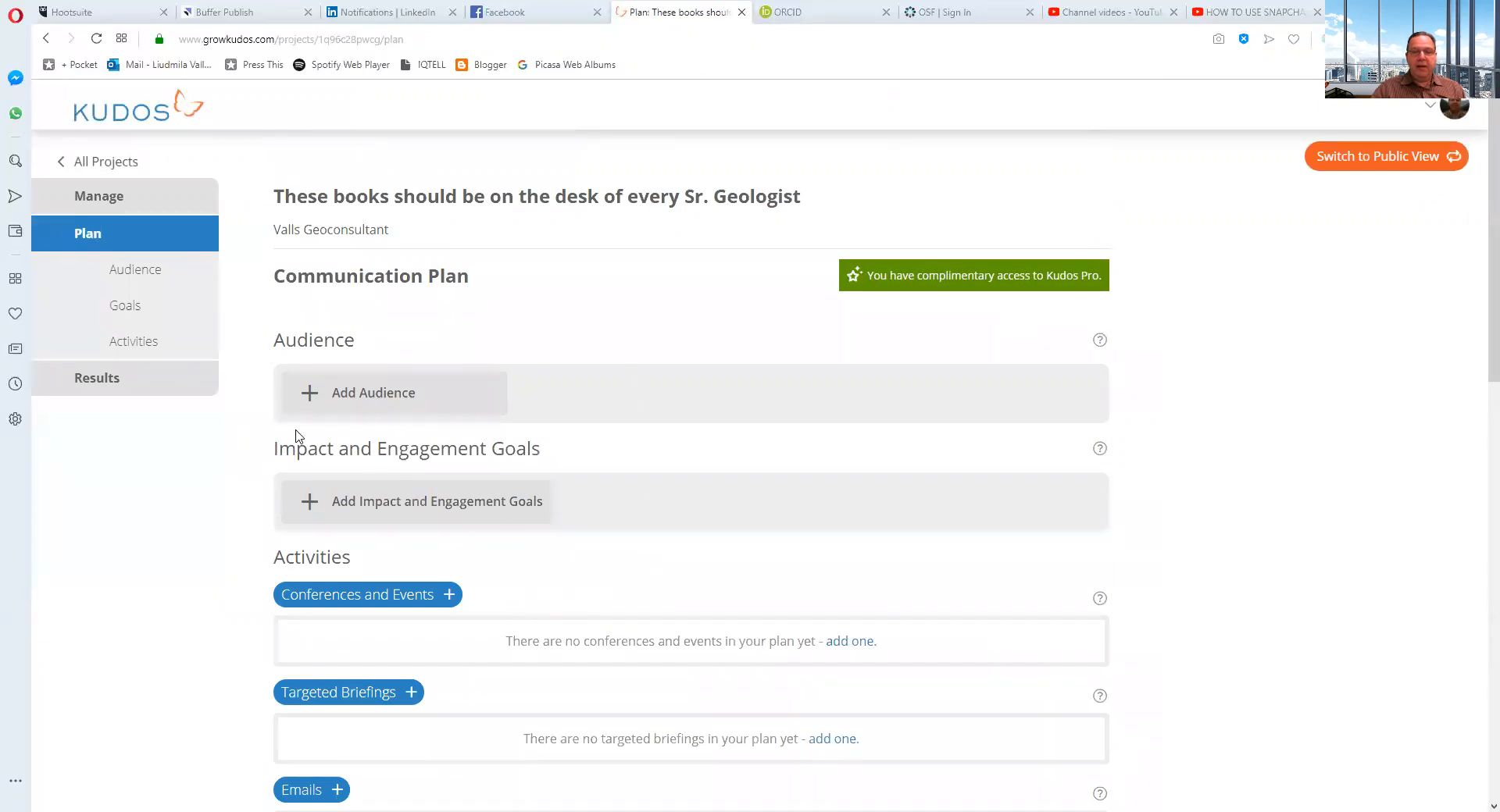
The next step in planning is to define your engagement impact. Here, you can specify your goals, such as increasing understanding or changing attitudes regarding a particular geological issue. This strategic planning can greatly enhance the effectiveness of your outreach efforts.
Step 5: Tracking Project Results 📈
Kudos also provides analytics that allow you to track the success of your projects. You can see how many people visited your project page, which links generated the most interest, and even where your audience is located.
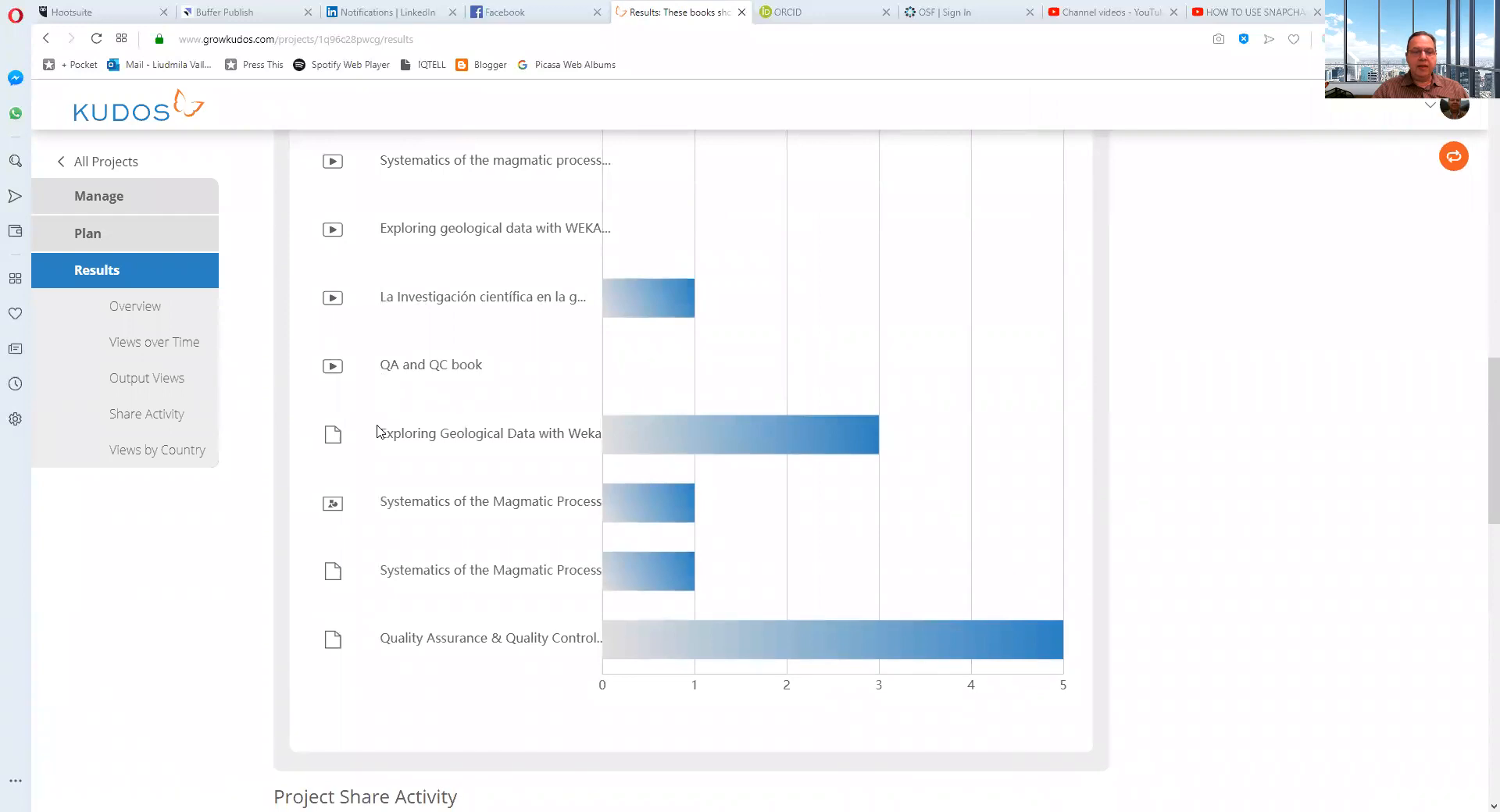
This data is invaluable for geologists who want to assess the impact of their research and outreach efforts. By analyzing this information, you can refine your strategies for future projects and maximize your influence in the field.
Step 6: Integrating ORCID with Kudos 🔗
ORCID is another essential tool for researchers. It provides a unique identifier for authors, ensuring that your work is correctly attributed to you. By linking Kudos with ORCID, you can streamline the process of adding publications to your Kudos profile.
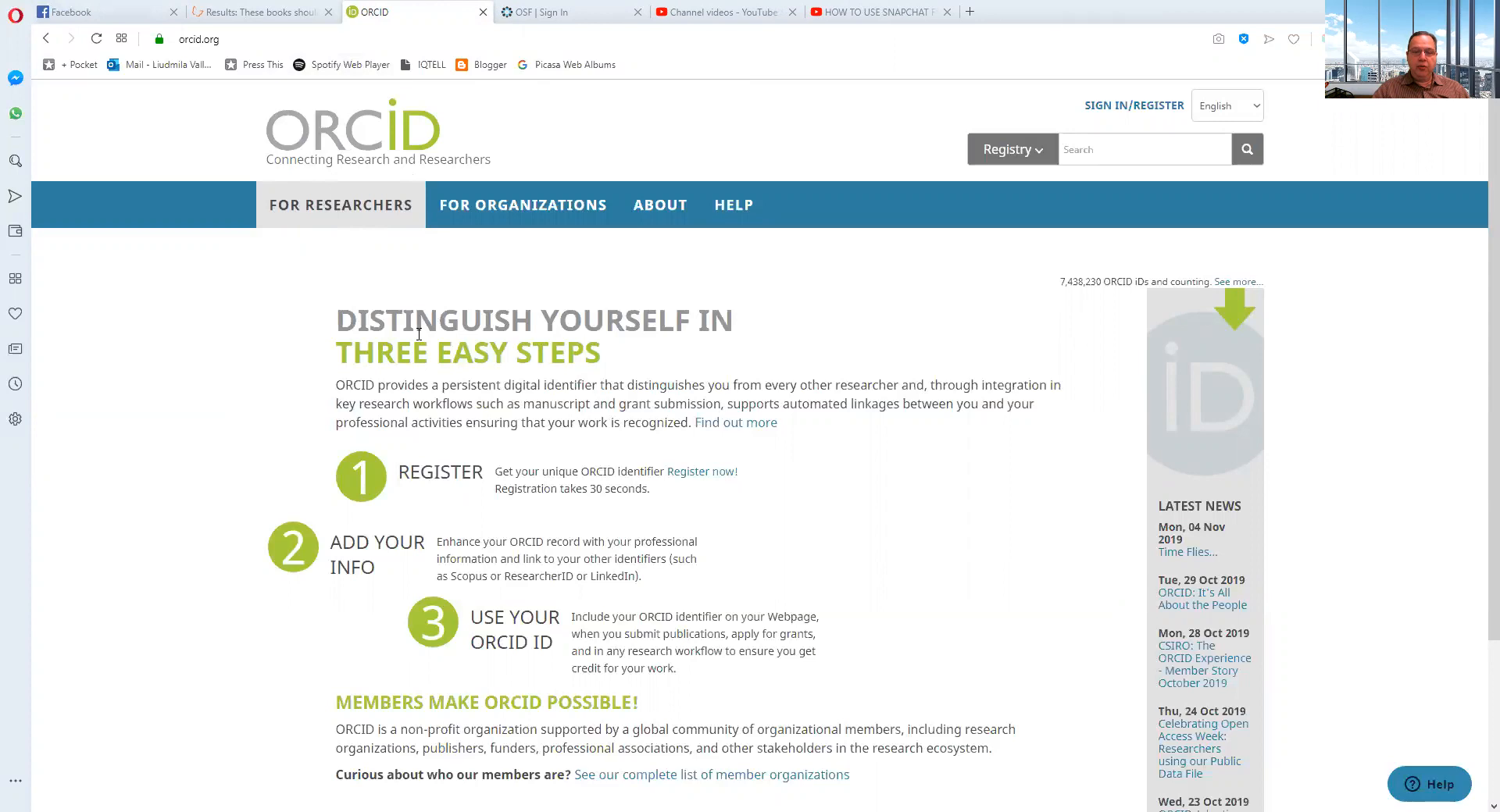
To create an ORCID iD, visit ORCID. Once registered, you can easily associate your ORCID iD with your Kudos account. This integration means that when you add a publication to ORCID, it can automatically populate your Kudos profile as well.
Step 7: Benefits of Using Kudos and ORCID Together 🎉
Using Kudos and ORCID in tandem provides several benefits:
- Streamlined publication management.
- Enhanced visibility of your work.
- Accurate tracking of citations and metrics.
- Improved project planning and execution.
- Easy collaboration with peers and students.
For geologists, these tools can significantly enhance your research's reach and impact. By effectively managing your publications and projects, you can contribute more meaningfully to your field.
Step 8: Final Thoughts on Kudos and ORCID 🏁
In conclusion, Kudos and ORCID are powerful allies for researchers and professionals in the geology field. They not only help in managing publications but also in planning and tracking projects effectively. By leveraging these tools, you can ensure that your work is recognized and that your projects have the desired impact.
Should you have any questions or need assistance with Kudos or ORCID, feel free to reach out. My email is wallsve@gmail.com. I’m here to help!
Made with VideoToBlog
Monday, July 22, 2024
https://youtu.be/jR4Ry1-UkHo
https://youtu.be/qY7AZv4fJAE
https://youtu.be/03-NHzY-2z0
https://youtu.be/CormvBMnkXY
https://youtu.be/CormvBMnkXY
Sunday, July 21, 2024
Become a Gemstone Identification Pro: A Comprehensive Guide 🌟
Welcome to the fascinating world of gemstones! In this guide, I will take you through essential tips and techniques for identifying genuine gemstones. Whether you are a novice enthusiast or just curious about these stunning rocks, this gemstone tutorial will equip you with the knowledge you need. Let’s embark on this educational journey together and unlock the secrets of gemstone identification!
Step 1: Understanding the Basics of Gemstones 💎
Before diving into identification techniques, it’s crucial to understand the fundamental characteristics of gemstones. Several traits help differentiate genuine gemstones from their imitations.
- Color: Observe the hue and intensity.
- Clarity: Check for inclusions or blemishes.
- Hardness: Use the Mohs scale for reference.
- Weight: Natural stones often feel heavier.
Natural gemstones typically exhibit subtle color variations, while synthetic stones often appear too perfect. Understanding these basics will set the foundation for your gemstone identification journey.
Step 2: Essential Tools for Identification 🔍
Equipping yourself with the right tools is essential for effective gemstone identification. Here are some crucial instruments you'll need:
- Jeweler's Loop: A 10x magnifying tool.
- Dichroscope: For identifying pleochroic gems.
- Refractometer: To measure the refractive index.
- Spectrometer: For advanced analysis.
These tools will help you examine gemstones closely and reveal vital details that are not visible to the naked eye.

Step 3: Analyzing Gemstone Color 🌈
Color is one of the most apparent characteristics when it comes to gemstones. However, it can also be the most misleading. Here’s how to analyze color effectively:
- Look for subtle variations.
- Note the saturation and tone.
- Compare with known samples.
Natural gemstones often have slight imperfections in color, while synthetic stones may have overly uniform color distribution. Understanding these nuances is key to identifying genuine stones.

Step 4: Checking Clarity and Inclusions 🔍
Clarity refers to the presence of inclusions or blemishes within a gemstone. This is an essential factor in identification:
- Use a jeweler's loop to inspect closely.
- Look for natural inclusions, which are common.
- Identify bubbles, which indicate glass or plastic.
Most natural gemstones will have some imperfections, while synthetic stones often appear flawless. Learning to identify these characteristics will enhance your identification skills.

Step 5: Evaluating Hardness with the Mohs Scale ⚒️
The hardness of a gemstone is crucial for identification. The Mohs scale ranks minerals from 1 (talc) to 10 (diamond). Here’s how to evaluate hardness:
- Conduct scratch tests using known materials.
- Remember that harder stones can scratch softer ones.
- Familiarize yourself with common gemstones and their hardness.
Understanding hardness can help you differentiate between genuine gemstones and softer imitations.
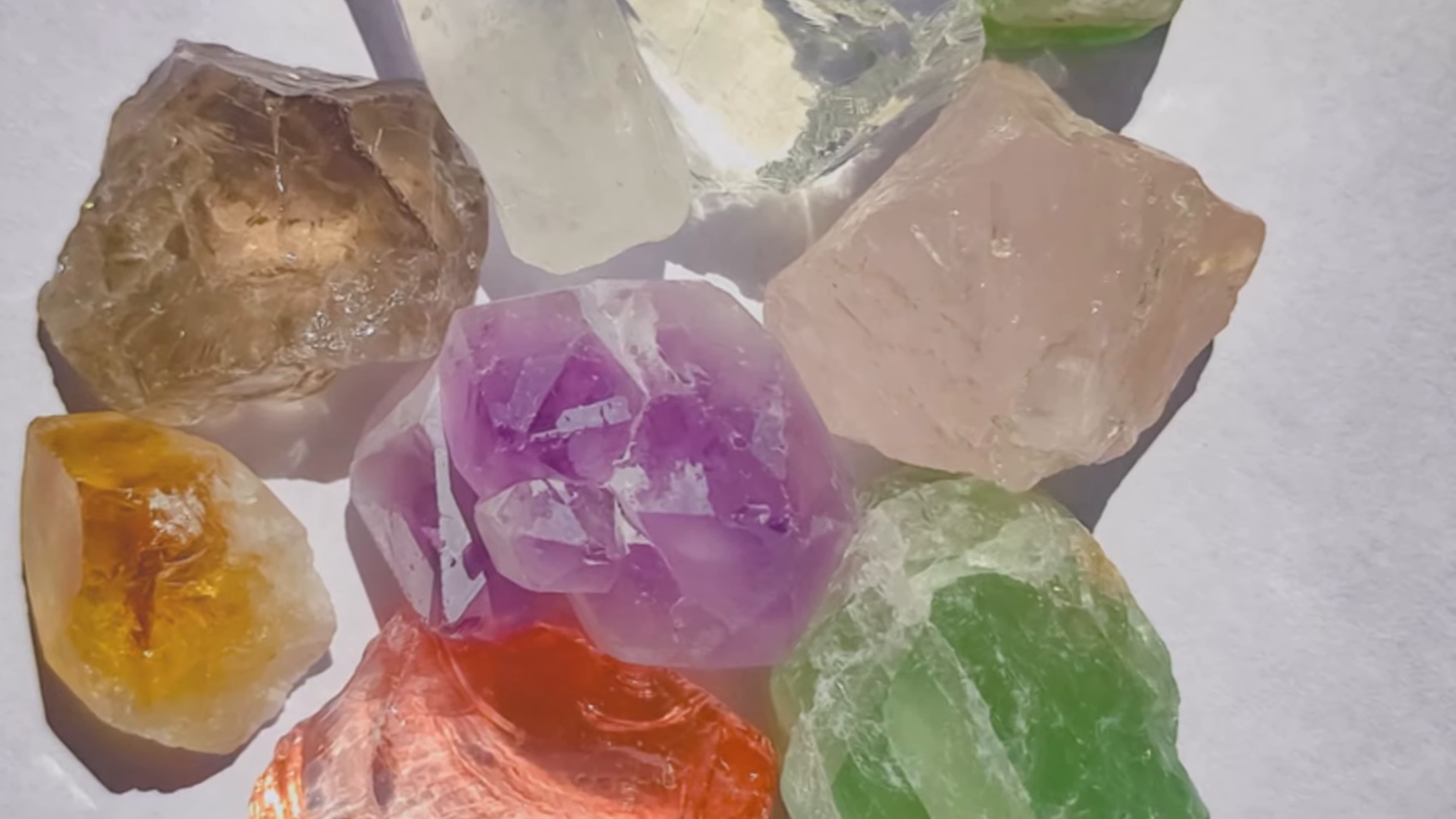
Step 6: Weight and Density Analysis ⚖️
Weight can provide valuable insights into identifying gemstones. Natural stones often feel heavier than glass or plastic imitations of the same size. Here’s how to analyze weight effectively:
- Compare the weight of suspected stones.
- Use a precise scale for accurate measurements.
- Understand the typical density of common gemstones.
By considering weight alongside other characteristics, you can further narrow down your identification process.
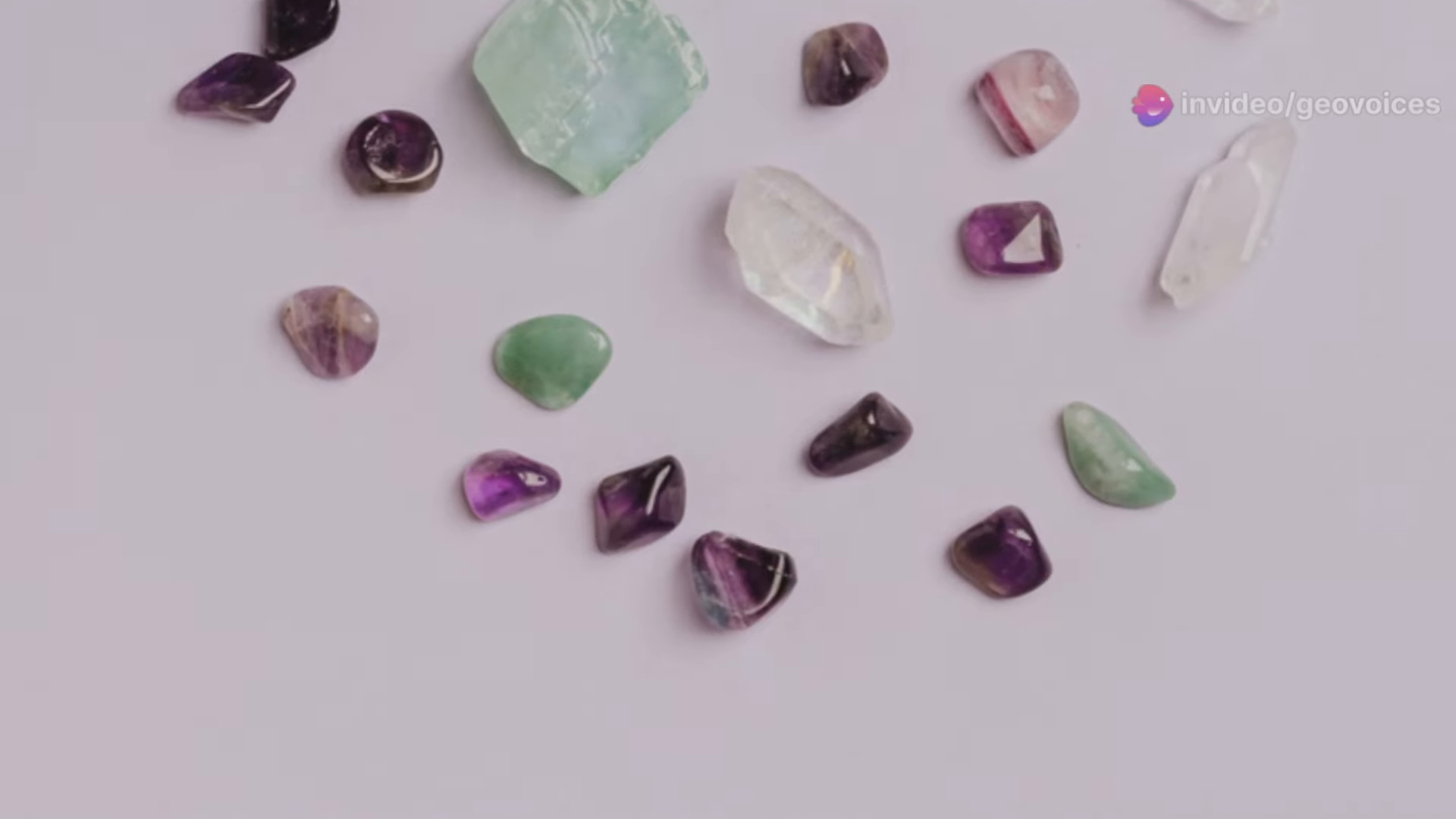
Step 7: Conducting Practical Tests 🧪
There are several practical tests you can perform to help identify gemstones. Here are some effective methods:
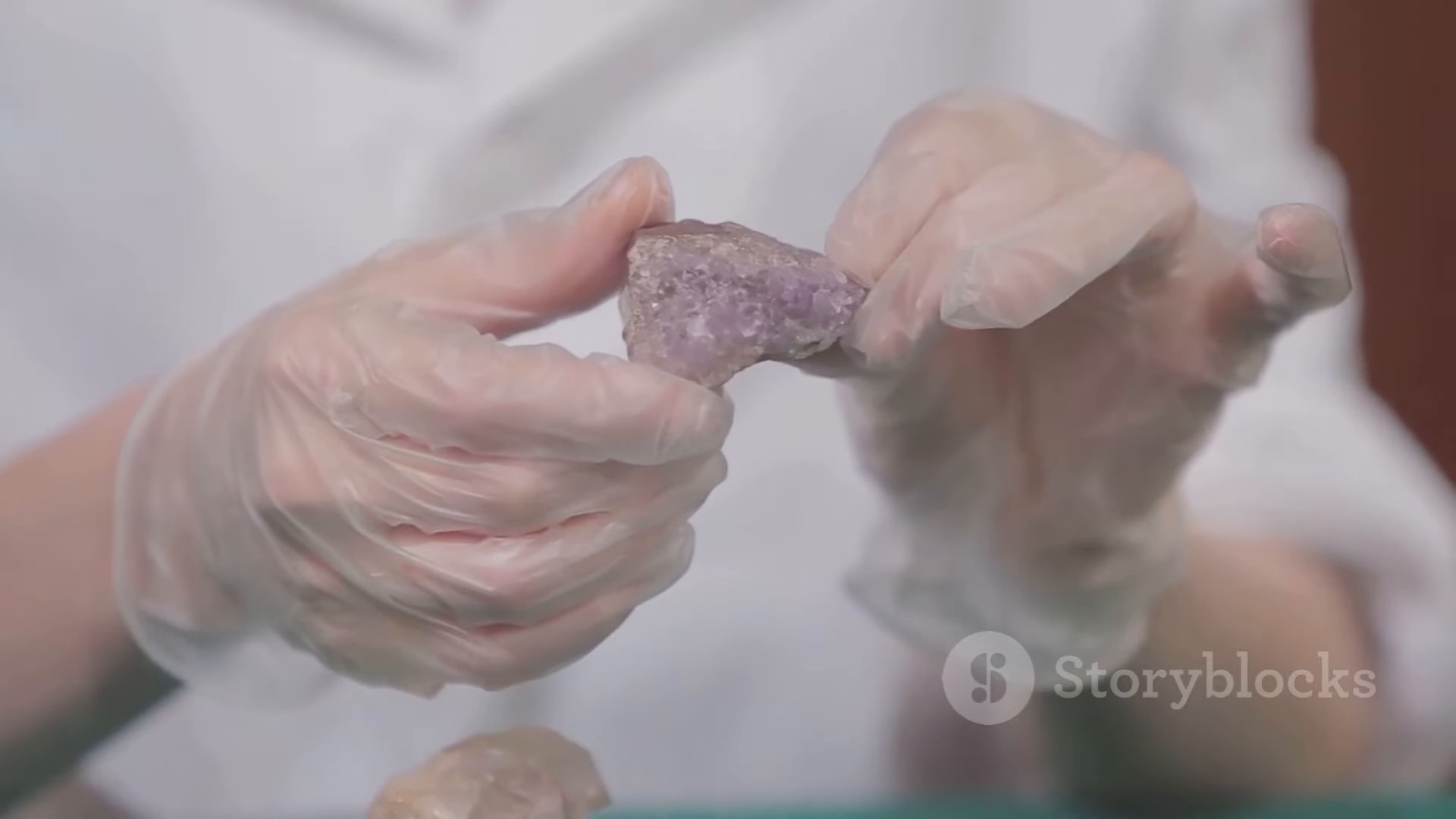
- Fog Test: Breathe on the stone; natural gems will fog up quickly.
- Temperature Test: Natural stones feel cool initially.
- Light Interaction: Observe how the stone reacts to light.
These tests can provide quick insights into whether a stone is genuine or a fake. Always use multiple tests to confirm your findings.
Step 8: Seek Expert Guidance When Needed 👩🔬
While these tips are excellent for beginners, there may be instances where you need expert assistance. Here’s when to consult a professional:
- When unsure about a gem’s authenticity.
- For advanced tools like refractometers.
- To gain deeper insights into gemstone properties.
Consulting a certified gemologist can provide you with definitive identification and valuable knowledge.

Step 9: Practice Makes Perfect 🔄
Gemstone identification is a skill that improves with practice. Here are some tips for honing your skills:
- Engage with different gemstones regularly.
- Join gemstone enthusiast groups or forums.
- Attend workshops or classes on gemology.
The more you engage with gemstones, the better you will become at identifying them. Embrace the learning curve and enjoy the journey!

Step 10: Share Your Discoveries and Experiences 💬
As you embark on your gemstone identification journey, don’t forget to share your findings and experiences with others. Here’s how you can connect:
- Post on social media or forums.
- Share your tips with fellow enthusiasts.
- Participate in gemstone shows or exhibitions.
Engaging with the community not only enhances your learning but also enriches the experience of others interested in gemstones.
Conclusion: Embrace the World of Gemstones 🌍
The world of gemstones is vast and beautiful, filled with endless opportunities for exploration and learning. By following the steps outlined in this guide, you will be well on your way to becoming a gemstone identification pro. Remember that identification is a journey, and each gemstone you encounter offers a new learning experience. Happy gem hunting!
Made with VideoToBlog
https://youtu.be/mrb7vBFmAj8
https://youtu.be/ZHQlfxvl-3c
https://youtu.be/Jax_xH8TyI0
https://youtu.be/Ie85dgixdTQ
https://youtu.be/4M9lY3Om3c8
Saturday, July 20, 2024
Lithium Exploration: Powering the Future or Environmental Challenge?
As I delve into the world of lithium exploration, I am reminded of the critical role this element plays in the transition to clean energy. The keyphrase "Lithium, Exploration, Sustainability, Geothermal, Mining" resonates deeply within this context. Lithium is not just a mineral; it's a cornerstone of renewable energy solutions, powering electric vehicles and energy storage systems. However, the journey of lithium extraction is fraught with challenges, particularly environmental concerns. This blog will explore the benefits and drawbacks of lithium exploitation from an exploration geologist's perspective, emphasizing innovative and sustainable practices.
The Importance of Lithium in Clean Energy
Lithium serves as a vital component in the clean energy revolution. With the growing demand for electric vehicles and renewable energy storage systems, lithium has become indispensable.
- Powering electric vehicles
- Facilitating energy storage
- Contributing to renewable energy systems
By identifying and developing lithium resources, we contribute to a greener future. The potential for lithium to transform energy systems is immense, making it a focal point for exploration geologists.
Economic Opportunities Through Lithium Exploration
The demand for lithium presents significant economic opportunities, particularly in countries with abundant lithium reserves, such as Spain. This demand creates a ripple effect across various sectors.
- Job creation in exploration and mining
- Boosting local economies
- Encouraging technological advancements
Responsible exploitation of lithium resources can lead to sustainable economic growth, benefiting communities and fostering innovation in the geosciences.
Technological Advancements in Lithium Exploration
Technological innovation is at the heart of lithium exploration. As exploration geologists, we are constantly developing new techniques to enhance our understanding of lithium deposits.
- Direct Lithium Extraction (DLE)
- Improved geophysical methods
- Geothermal brine extraction
These advancements not only increase efficiency but also minimize the environmental impact associated with traditional mining methods. The future of lithium exploration looks promising, driven by these innovations.
Environmental Concerns of Lithium Exploitation
Despite the numerous advantages of lithium, its extraction poses significant environmental challenges. Traditional lithium mining can lead to detrimental effects on ecosystems and water resources.
- High water consumption
- Potential habitat disruption
- Landscape alteration
As exploration geologists, we must prioritize sustainable practices to mitigate these impacts effectively.
Mitigation Strategies for Sustainable Extraction
To address the environmental challenges posed by lithium exploitation, various mitigation strategies are being developed. These strategies focus on sustainable extraction methods that minimize ecological footprints.
Innovative Extraction Techniques
One of the most promising approaches is the use of geothermal brine extraction. This method not only reduces water consumption but also harnesses geothermal energy, making it a dual-benefit solution.
Water Recycling Systems
Implementing water recycling systems is crucial in areas where water resources are limited. By prioritizing projects in regions with abundant water, we can strike a balance between resource extraction and environmental sustainability.
Land Rehabilitation Plans
Comprehensive land rehabilitation plans are essential to restore landscapes affected by mining activities. Emphasizing underground mining techniques can also help minimize surface disruption.
The Global Landscape of Lithium Exploration
The future of lithium exploration is bright, with innovative projects emerging worldwide. From geothermal fields in Germany to lithium brine deposits in Nevada and promising sites in Spain, the global landscape is evolving.
- Geothermal fields in Germany
- Brine deposits in Nevada
- Promising deposits in Spain
These diverse projects highlight the potential for sustainable lithium extraction, paving the way for a greener future.
Conclusion: A Balanced Approach to Lithium Exploration
As exploration geologists, we stand at the forefront of a critical transition in global energy systems. While lithium exploitation presents challenges, it also offers immense opportunities for sustainability and innovation. By focusing on advanced extraction methods like geothermal brine extraction and continuously improving our exploration techniques, we can minimize environmental impacts while meeting the growing demand for lithium.
The journey towards responsible lithium exploitation is ongoing. It requires collaboration among geologists, environmentalists, and policymakers. Together, we can harness lithium resources to support a sustainable future.
If you found this exploration into the world of lithium fascinating, feel free to share your thoughts in the comments. What other aspects of lithium exploration would you like to learn about? Let's continue to unearth the resources that will power our sustainable future together!
For more insights into exploration geology, you can watch the original video here.
Made with VideoToBlog


