Welcome to the fascinating world of gemstones! In this guide, I will take you through essential tips and techniques for identifying genuine gemstones. Whether you are a novice enthusiast or just curious about these stunning rocks, this gemstone tutorial will equip you with the knowledge you need. Let’s embark on this educational journey together and unlock the secrets of gemstone identification!
Step 1: Understanding the Basics of Gemstones 💎
Before diving into identification techniques, it’s crucial to understand the fundamental characteristics of gemstones. Several traits help differentiate genuine gemstones from their imitations.
- Color: Observe the hue and intensity.
- Clarity: Check for inclusions or blemishes.
- Hardness: Use the Mohs scale for reference.
- Weight: Natural stones often feel heavier.
Natural gemstones typically exhibit subtle color variations, while synthetic stones often appear too perfect. Understanding these basics will set the foundation for your gemstone identification journey.
Step 2: Essential Tools for Identification 🔍
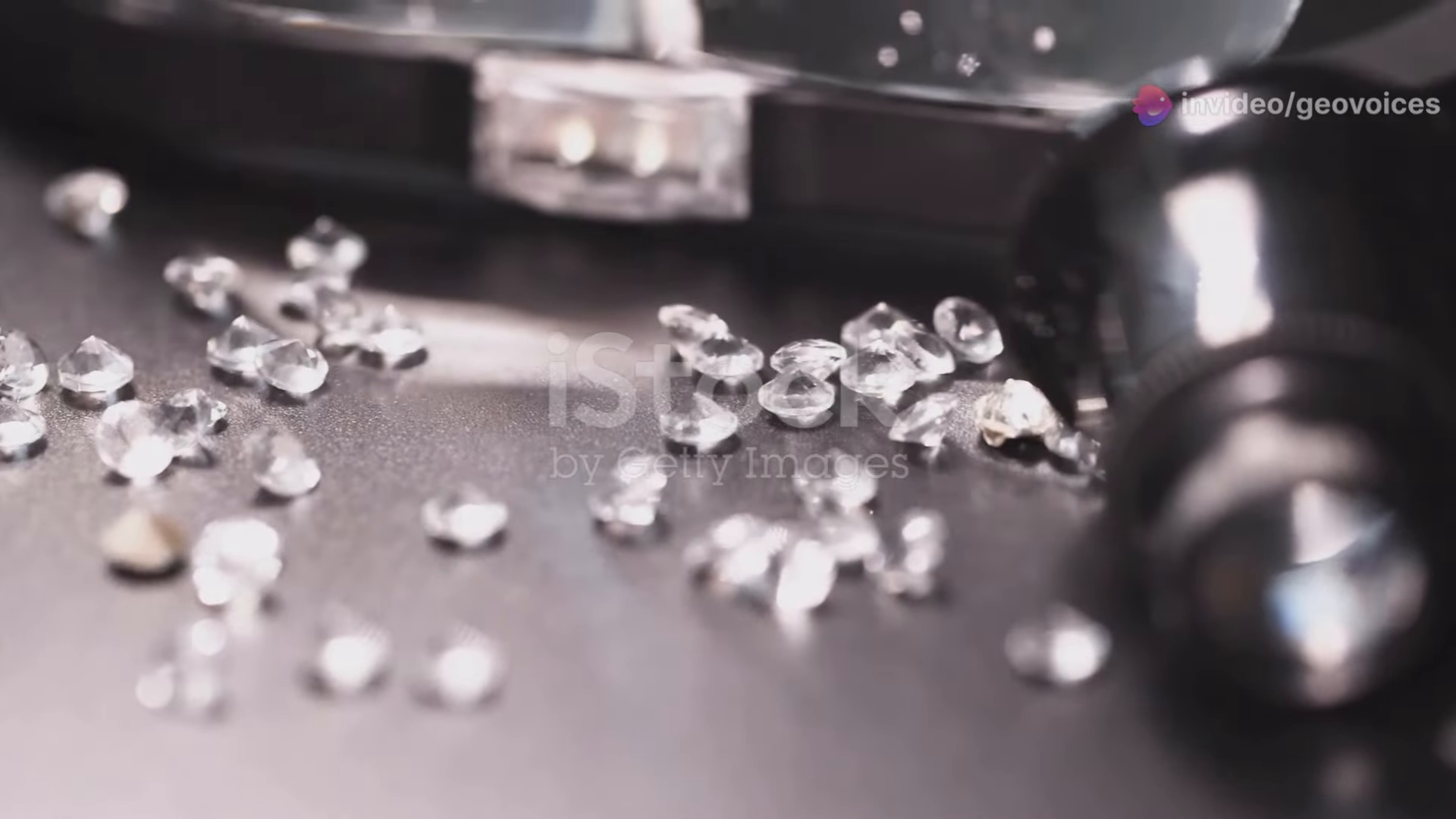
Equipping yourself with the right tools is essential for effective gemstone identification. Here are some crucial instruments you'll need:
- Jeweler's Loop: A 10x magnifying tool.
- Dichroscope: For identifying pleochroic gems.
- Refractometer: To measure the refractive index.
- Spectrometer: For advanced analysis.
These tools will help you examine gemstones closely and reveal vital details that are not visible to the naked eye.
Step 3: Analyzing Gemstone Color 🌈
Color is one of the most apparent characteristics when it comes to gemstones. However, it can also be the most misleading. Here’s how to analyze color effectively:
- Look for subtle variations.
- Note the saturation and tone.
- Compare with known samples.
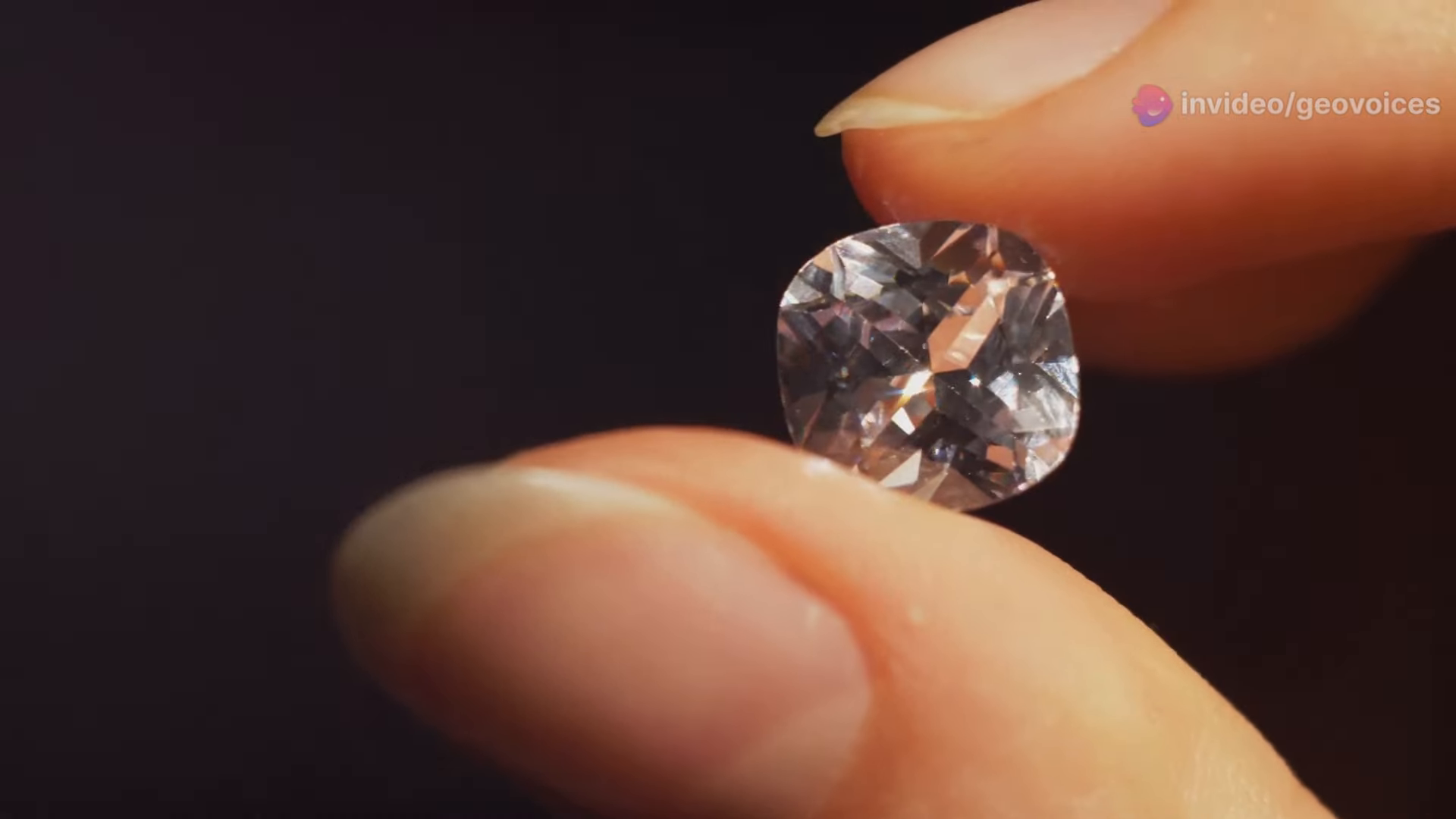
Natural gemstones often have slight imperfections in color, while synthetic stones may have overly uniform color distribution. Understanding these nuances is key to identifying genuine stones.

Step 4: Checking Clarity and Inclusions 🔍
Clarity refers to the presence of inclusions or blemishes within a gemstone. This is an essential factor in identification:
- Use a jeweler's loop to inspect closely.
- Look for natural inclusions, which are common.
- Identify bubbles, which indicate glass or plastic.
Most natural gemstones will have some imperfections, while synthetic stones often appear flawless. Learning to identify these characteristics will enhance your identification skills.
Step 5: Evaluating Hardness with the Mohs Scale ⚒️
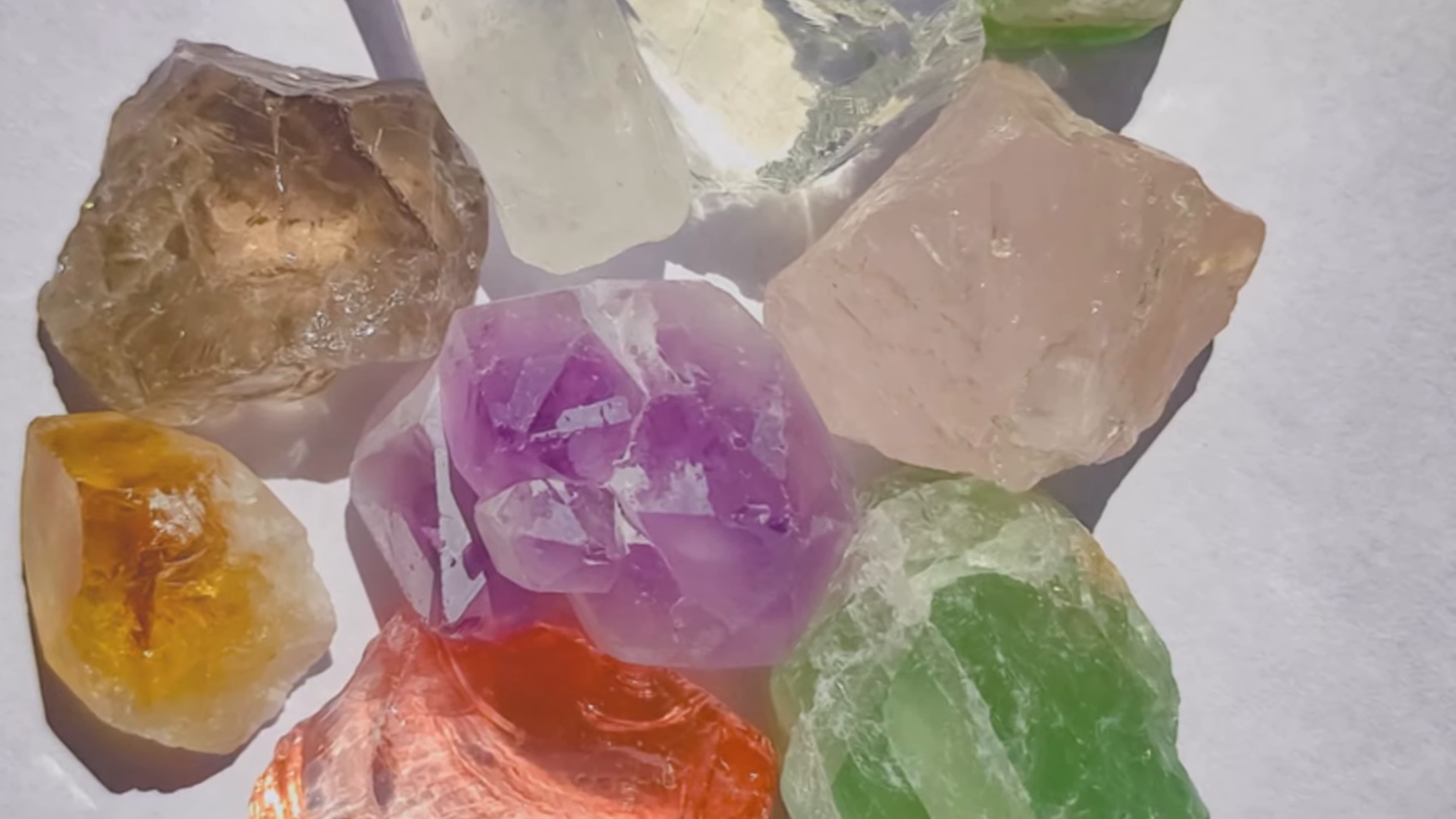
The hardness of a gemstone is crucial for identification. The Mohs scale ranks minerals from 1 (talc) to 10 (diamond). Here’s how to evaluate hardness:
- Conduct scratch tests using known materials.
- Remember that harder stones can scratch softer ones.
- Familiarize yourself with common gemstones and their hardness.
Understanding hardness can help you differentiate between genuine gemstones and softer imitations.
Step 6: Weight and Density Analysis ⚖️
Weight can provide valuable insights into identifying gemstones. Natural stones often feel heavier than glass or plastic imitations of the same size. Here’s how to analyze weight effectively:
- Compare the weight of suspected stones.
- Use a precise scale for accurate measurements.
- Understand the typical density of common gemstones.
By considering weight alongside other characteristics, you can further narrow down your identification process.
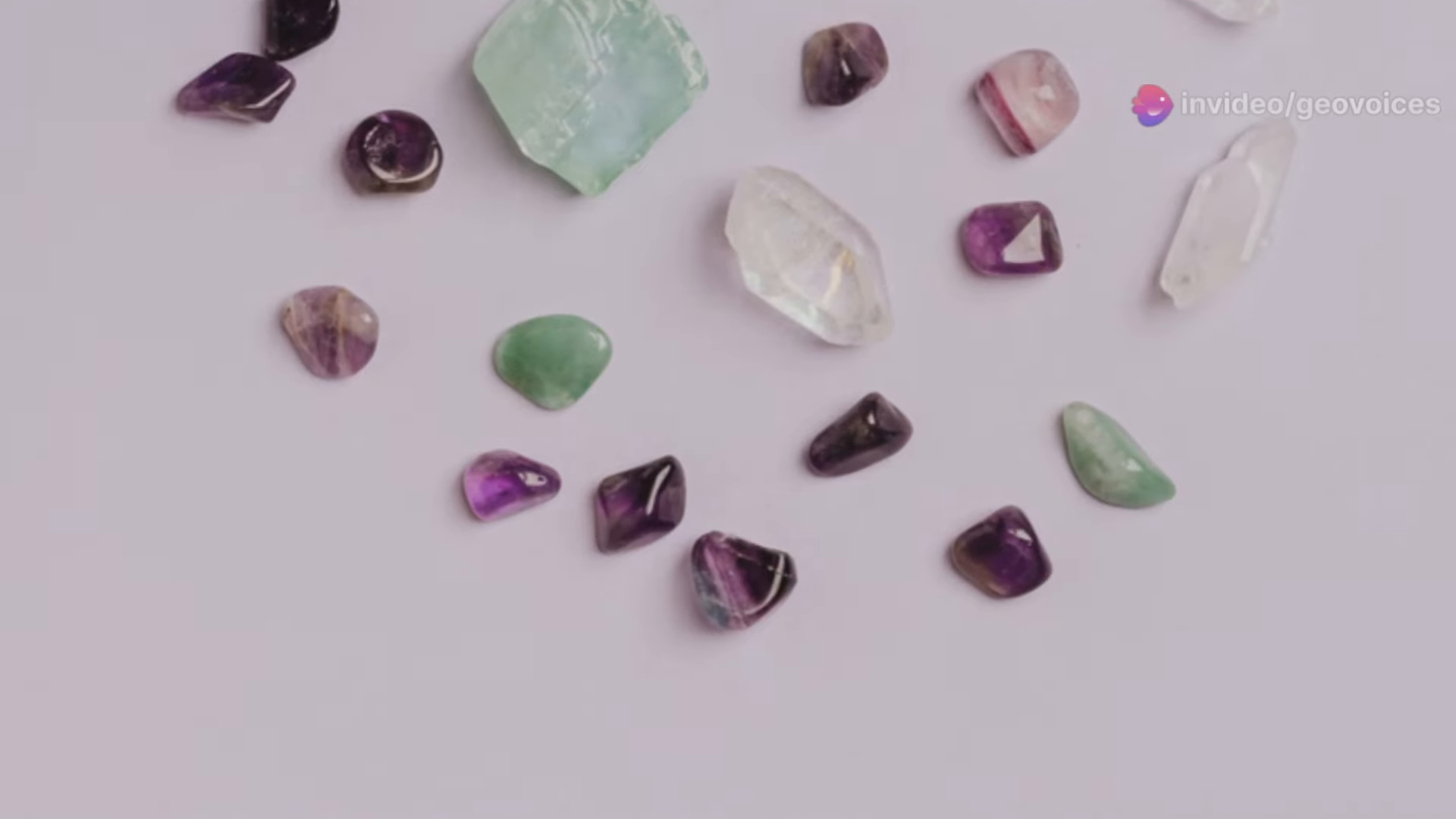
Step 7: Conducting Practical Tests 🧪
There are several practical tests you can perform to help identify gemstones. Here are some effective methods:
- Fog Test: Breathe on the stone; natural gems will fog up quickly.
- Temperature Test: Natural stones feel cool initially.
- Light Interaction: Observe how the stone reacts to light.
These tests can provide quick insights into whether a stone is genuine or a fake. Always use multiple tests to confirm your findings.
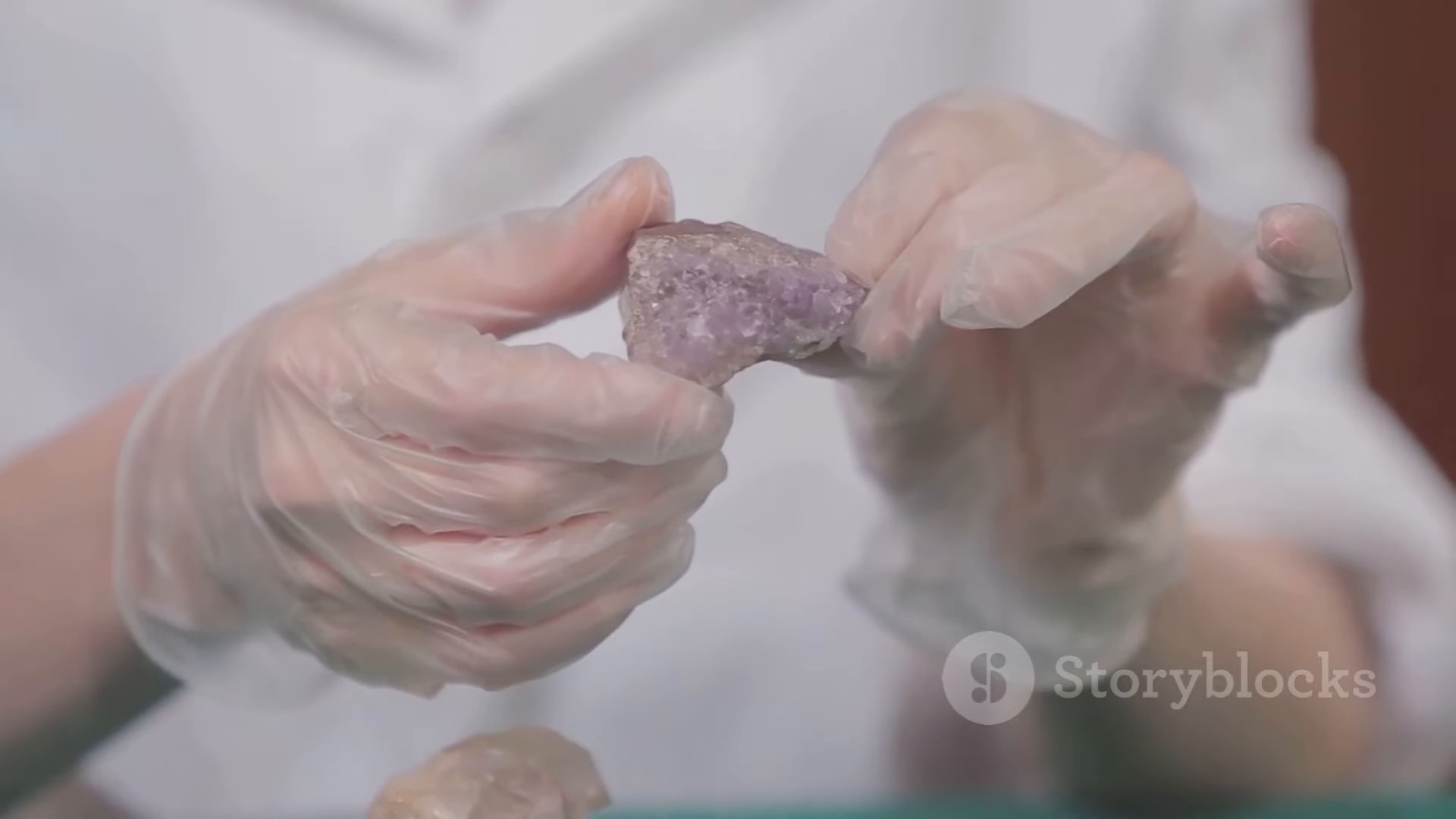
Step 8: Seek Expert Guidance When Needed 👩🔬
While these tips are excellent for beginners, there may be instances where you need expert assistance. Here’s when to consult a professional:
- When unsure about a gem’s authenticity.
- For advanced tools like refractometers.
- To gain deeper insights into gemstone properties.
Consulting a certified gemologist can provide you with definitive identification and valuable knowledge.

Step 9: Practice Makes Perfect 🔄
Gemstone identification is a skill that improves with practice. Here are some tips for honing your skills:
- Engage with different gemstones regularly.
- Join gemstone enthusiast groups or forums.
- Attend workshops or classes on gemology.
The more you engage with gemstones, the better you will become at identifying them. Embrace the learning curve and enjoy the journey!
Step 10: Share Your Discoveries and Experiences 💬
As you embark on your gemstone identification journey, don’t forget to share your findings and experiences with others. Here’s how you can connect:
- Post on social media or forums.
- Share your tips with fellow enthusiasts.
- Participate in gemstone shows or exhibitions.
Engaging with the community not only enhances your learning but also enriches the experience of others interested in gemstones.

Conclusion: Embrace the World of Gemstones 🌍
The world of gemstones is vast and beautiful, filled with endless opportunities for exploration and learning. By following the steps outlined in this guide, you will be well on your way to becoming a gemstone identification pro. Remember that identification is a journey, and each gemstone you encounter offers a new learning experience. Happy gem hunting!
Made with VideoToBlog


No comments:
Post a Comment