In the realm of geological exploration, lineament analysis has emerged as a pivotal technique. This method allows geologists to identify potential areas for mineral deposits, water resources, and oil and gas reserves. In this article, we will delve into the insights shared by Dr. Vadim Galkine, a prominent figure in this field, and explore the practical applications and advantages of lineament analysis in exploration.
Interview with Dr. Vadim Galkine
Dr. Vadim Galkine's journey into the world of geology is both fascinating and inspiring. He recalls meeting Ricardo Valls, the host of the Golden Droplets series, during a pivotal moment in his career. Their first interaction revolved around the concept of linear analysis, a technique that has since become integral to their work.
During their discussion, Dr. Galkine highlighted the significance of GIS (Geographic Information Systems) and modeling in geological exploration. He shared a story about the Ontario government’s investment in geological mapping, which opened up new opportunities for junior companies to showcase their analytical capabilities.
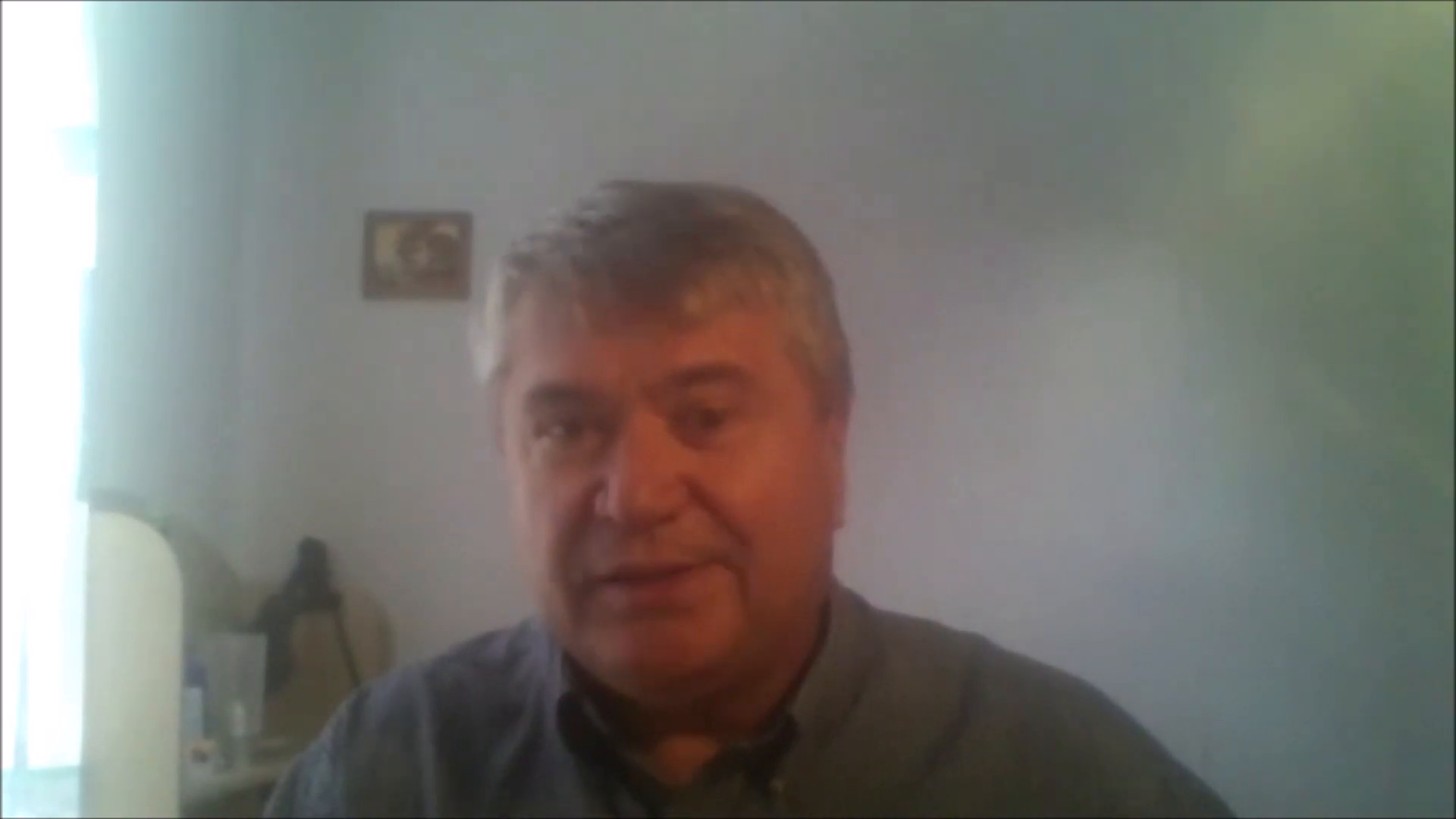
Their shared background—both having roots in Russia—created an instant connection. Dr. Galkine's expertise in lineament analysis has proven invaluable in various exploration projects, leading to significant discoveries in mineral deposits.
Explanation of the Method
Lineament analysis involves the identification of linear features on the Earth's surface that may indicate underlying geological structures. This technique is particularly effective in areas where mineral deposits are structurally controlled.
To conduct lineament analysis, geologists utilize satellite images, which are now readily available at high resolutions. These images, combined with digital elevation models, allow for the identification of features that could indicate the presence of valuable resources.
Dr. Galkine emphasized that lineament analysis can be conducted without the need for immediate fieldwork, making it a cost-effective and efficient method. By deciphering the underlying structures, geologists can pinpoint areas with higher probabilities of containing mineral deposits.
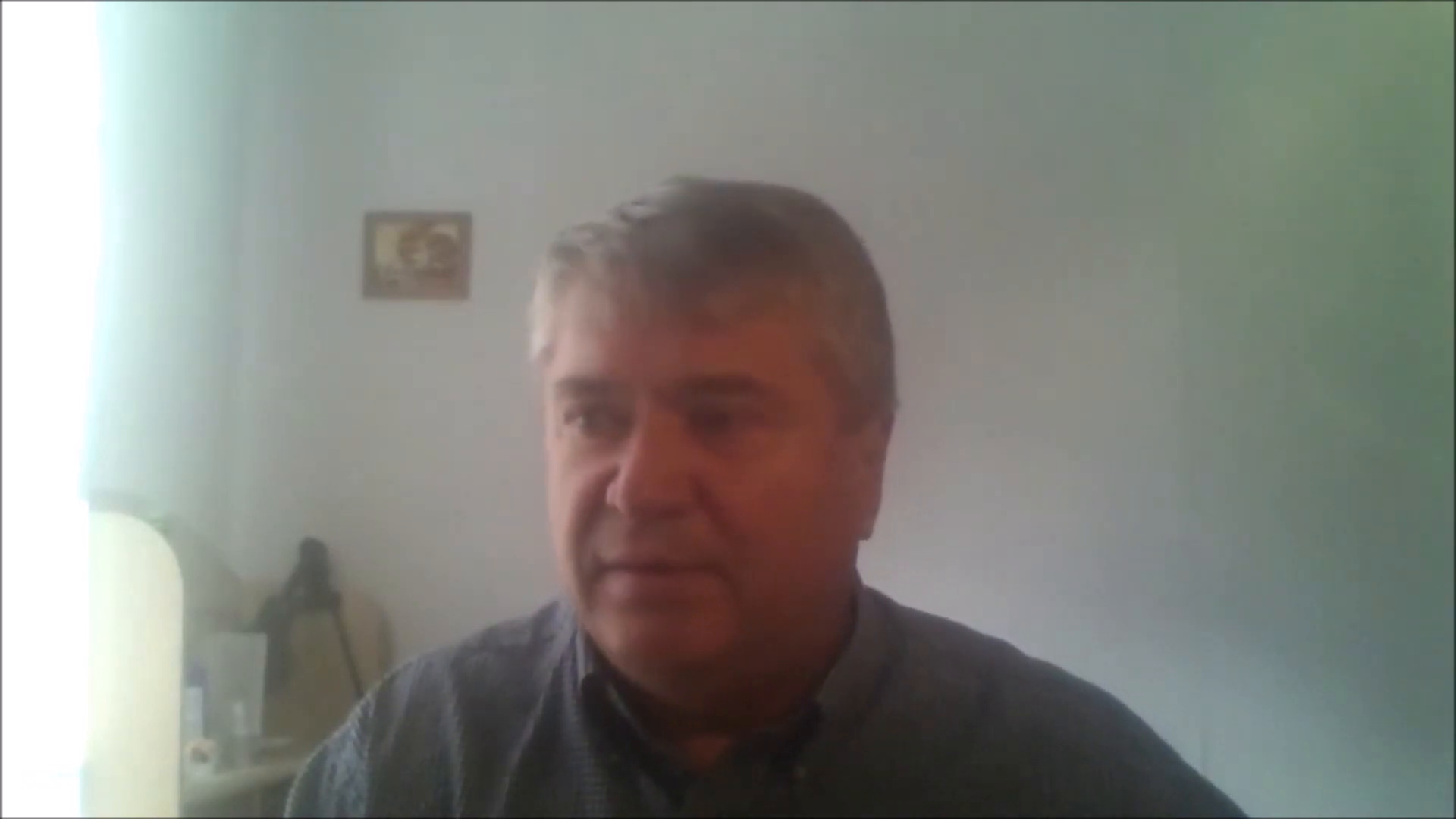
One of the key benefits of this method is its applicability across various fields, including mineral exploration, water resource assessment, and oil and gas exploration. The analysis identifies intersecting faults and fractures, which are often associated with higher permeability and fluid movement, making them prime targets for exploration.
The Version in Russian
To cater to a broader audience, the principles of lineament analysis have also been shared in Russian. This version allows Russian-speaking geologists to access the valuable insights and techniques discussed by Dr. Galkine.
The Russian version emphasizes the same core concepts, underlining the importance of understanding geological structures and their implications for resource exploration. This approach fosters collaboration and knowledge sharing among geologists across different regions.
The Version in Spanish
Similarly, a Spanish version of the presentation has been made available, further expanding the reach of this crucial methodology. This inclusivity ensures that Spanish-speaking geologists can benefit from the wealth of information provided by Dr. Galkine.
The Spanish presentation highlights the practical applications of lineament analysis in various geological settings, reinforcing the method's versatility and effectiveness in identifying potential resource deposits.
Credits
This insightful discussion was made possible by the collaboration between Dr. Vadim Galkine and Ricardo Valls. Their combined expertise and passion for geology have resulted in significant advancements in the field of exploration.
For more information on Dr. Vadim Galkine and his work, you can check his profile on ORCID.
FAQ
What is lineament analysis?
Lineament analysis is a geological technique used to identify linear features on the Earth's surface that may indicate underlying geological structures, often associated with mineral deposits, water resources, or oil and gas reserves.
How is lineament analysis conducted?
Geologists utilize satellite images and digital elevation models to identify linear features. These images help in deciphering the underlying geological structures without the need for immediate fieldwork.
What are the benefits of lineament analysis in exploration?
Lineament analysis is cost-effective, efficient, and applicable across various fields, including mineral exploration and oil and gas assessment. It helps geologists target areas with higher probabilities of containing resources.
Is lineament analysis applicable in different languages?
Yes, the principles of lineament analysis have been shared in multiple languages, including Russian and Spanish, to ensure wider accessibility and understanding among geologists worldwide.
How can I learn more about lineament analysis?
For further information, you can refer to resources available online or reach out to professionals in the field. Additionally, the presentations by Dr. Galkine provide in-depth insights into the methodology.
Lineament analysis stands out as a powerful tool in the exploration toolkit, offering a blend of efficiency, cost-effectiveness, and accessibility. As more geologists adopt this method, its impact on resource discovery and management will likely grow, paving the way for more sustainable exploration practices.
P. Geo. Ricardo A Valls, M. Sc.
Valls Geoconsultant
ORCID ID- https://orcid.org/0000-0002-5421-0914
Scopus Author ID: 7003369619/35335510700
ResearcherID: S-6604-2018
If you like this content, please "buy me a coffee" https://www.buymeacoffee.com/goldendroplets
#planetearth #geology #mining #exploration #education #earthscience #geologia #earthscienceteacher #cienciasnaturales #cienciasgeologicas #geochemistry #geochemistrybooks #geoquimica #trainingcourses #teachingonline #vallsgeoconsultant #vallsvg #technotectonics #goldendroplets #geovoices


No comments:
Post a Comment