In the field of geology and mineral exploration, accurate sampling techniques are essential for identifying valuable resources. This article explores innovative methods that enhance sampling efficiency and accuracy, focusing on unconventional techniques. We will discuss sampling methods, field examples, sample preparation, processing, and the services offered by various laboratories.
Presentation of the Problem and the Method 🧪
Geochemical sampling can be categorized into three main groups: alluvial, colluvial, and in-situ anomalies. Each category serves a unique purpose in mineral exploration. Alluvial sampling involves collecting sediments from riverbanks, while colluvial sampling focuses on materials from slopes and hillsides. In-situ sampling is conducted directly from rock formations.
When conducting regional exploration, sampling is often performed on a large scale, such as 1:50,000. This approach typically yields 4 to 16 sediment sitters with a maximum of 2 heavy mineral concentrates per square kilometer. Heavy mineral concentrates are crucial as they allow geologists to detect anomalies of rare elements, such as diamonds and gold.
However, traditional sampling methods can be time-consuming. The process of panning for heavy mineral concentrates can take several minutes and requires skilled technicians. While effective, this method is not widely adopted due to the time investment required.
To address these challenges, an innovative solution has been proposed: using a condom to concentrate heavy minerals quickly and effectively. This technique significantly reduces the time spent on sampling while improving the quality of concentrates obtained.
Taking a Sample in the Field with African Lion Resources 🌍
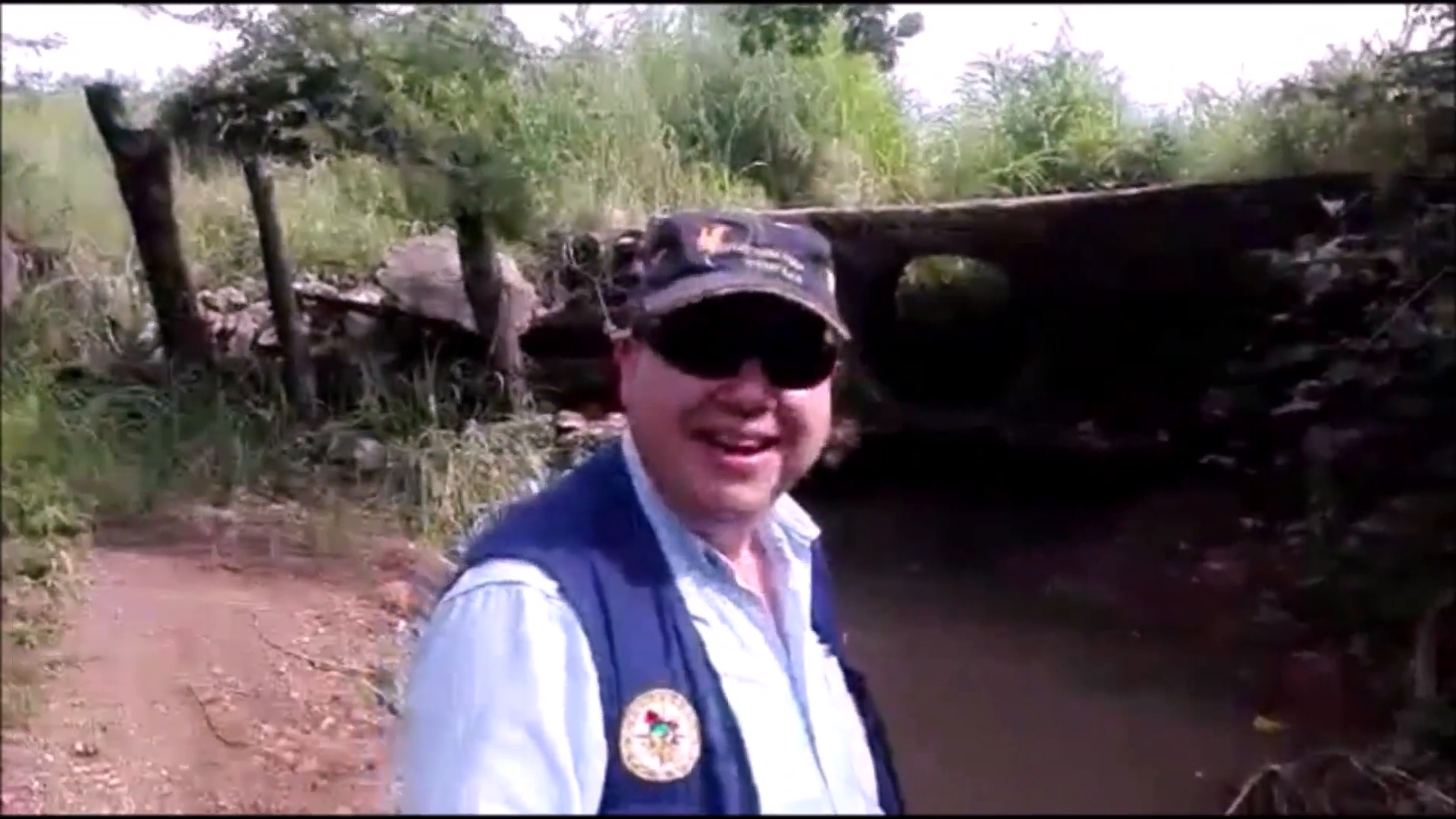
A practical example of this technique was demonstrated in the field with African Lion Resources. The process begins by identifying suitable sampling locations along riverbanks where heavy minerals tend to accumulate due to natural water flow dynamics.
To collect a sample, geologists take a handful of sediment from the river and place it into a condom filled with water. The condom serves as a mixing vessel that allows for rapid separation of heavy minerals from lighter particles. By shaking the condom for a brief period, the heavier fractions settle at the bottom while lighter materials remain suspended.
This method not only speeds up the sampling process but also ensures that the sample collected is representative of the surrounding materials. After mixing, the heavy mineral concentrate can be easily extracted from the condom for further analysis.
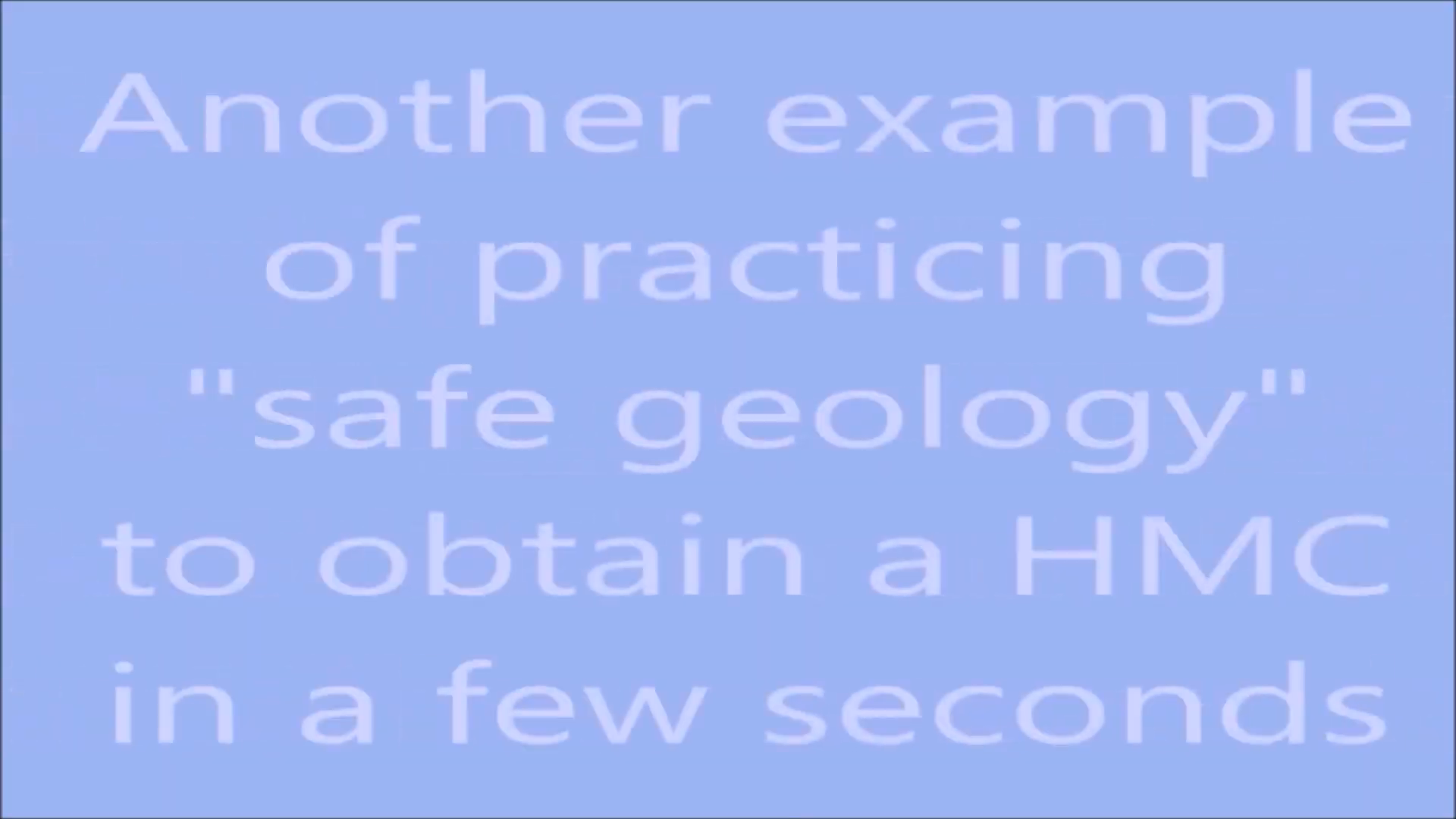
Another Example of Taking a Sample in the Field with Micah Minerals Corp. ⛏️
Similarly, Micah Minerals Corp. employs this unusual sampling technique to enhance their exploration efforts. By utilizing the condom method, they can quickly obtain heavy mineral concentrates from various locations without the extensive time commitment associated with traditional panning methods.
During fieldwork, geologists focus on areas where the river's current slows down, such as behind obstructions or in meandering sections. These spots are ideal for collecting heavy mineral concentrates, as they are more likely to contain valuable minerals that have settled from the water column.
After collecting the samples, the same process of mixing in the condom is applied, leading to quick and efficient separation of heavy minerals for further analysis.
How to Prepare a Sample in the Office 🏢
Once samples are collected, proper preparation is crucial for accurate analysis. In the office, geologists begin by weighing the sample and ensuring it is representative of the location from which it was taken. This step is vital to maintain the integrity of the analysis.
After weighing, the next step involves homogenizing the sample. This can be achieved using various methods, including mechanical mixing or manual techniques. The goal is to create a uniform sample that accurately reflects the original material.
Using a black binder is recommended to enhance visibility during analysis, especially if gold or other valuable minerals are present. Once the sample is prepared, geologists can use magnetic separators to isolate different fractions based on their magnetic properties.
How to Process the Sample in the Office ⚙️
Processing samples in the office involves several steps to separate heavy minerals from lighter ones effectively. First, geologists utilize magnetic separators to extract the magnetic fraction from the sample. This process can be done using specialized equipment or simple household magnets.
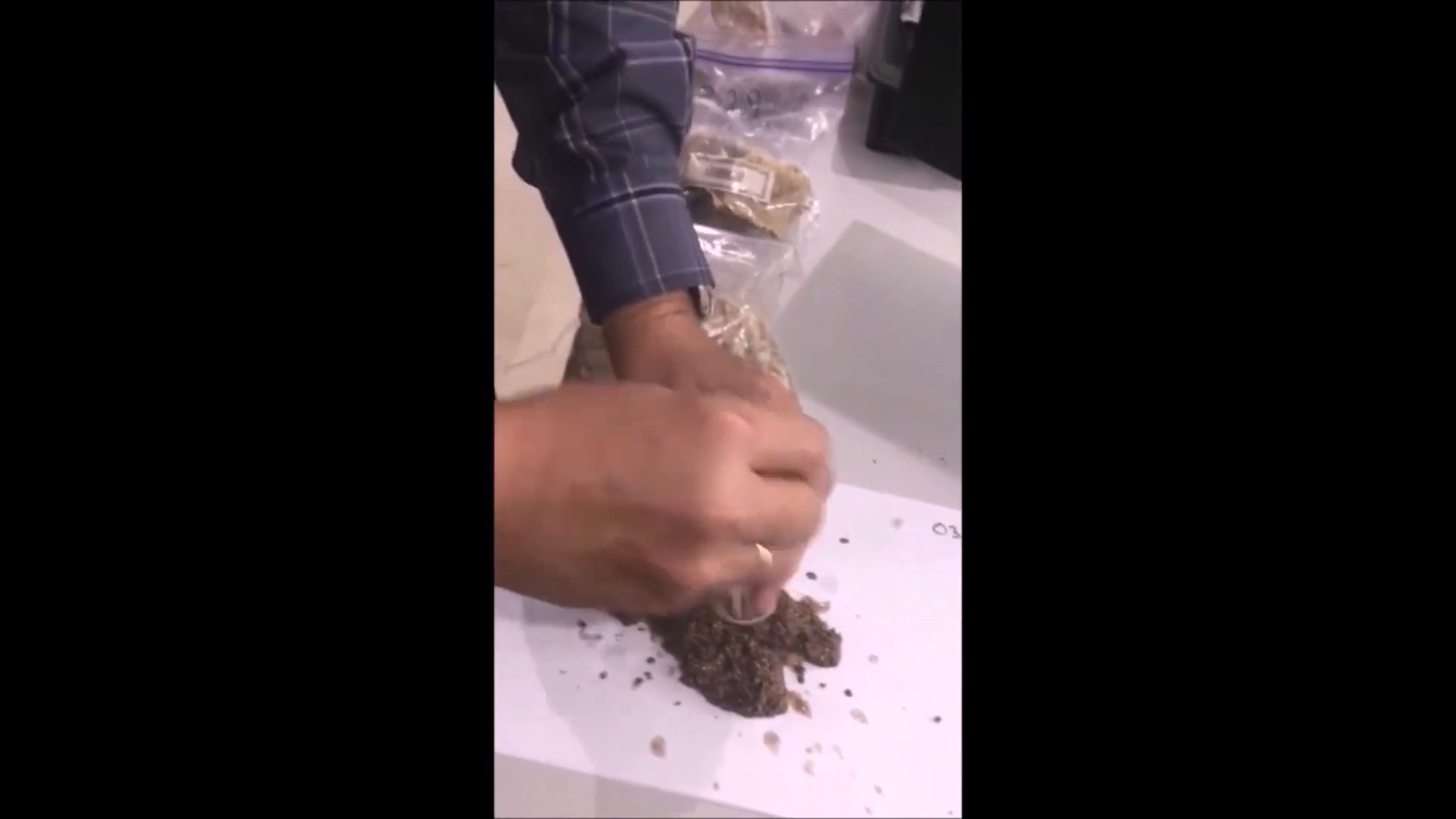
Once the magnetic fraction is isolated, geologists can further analyze the heavy fraction using various techniques, including air separation methods. By blowing air through a straw, lighter materials can be removed while retaining heavier minerals, such as gold.
After processing, the remaining material is analyzed using optical methods, including light microscopy. This step allows geologists to study the mineral composition and assess the quality of the collected sample.
Using DinoLite Microscope at the Office to Study the Mineral Composition of Your Sample 🔬
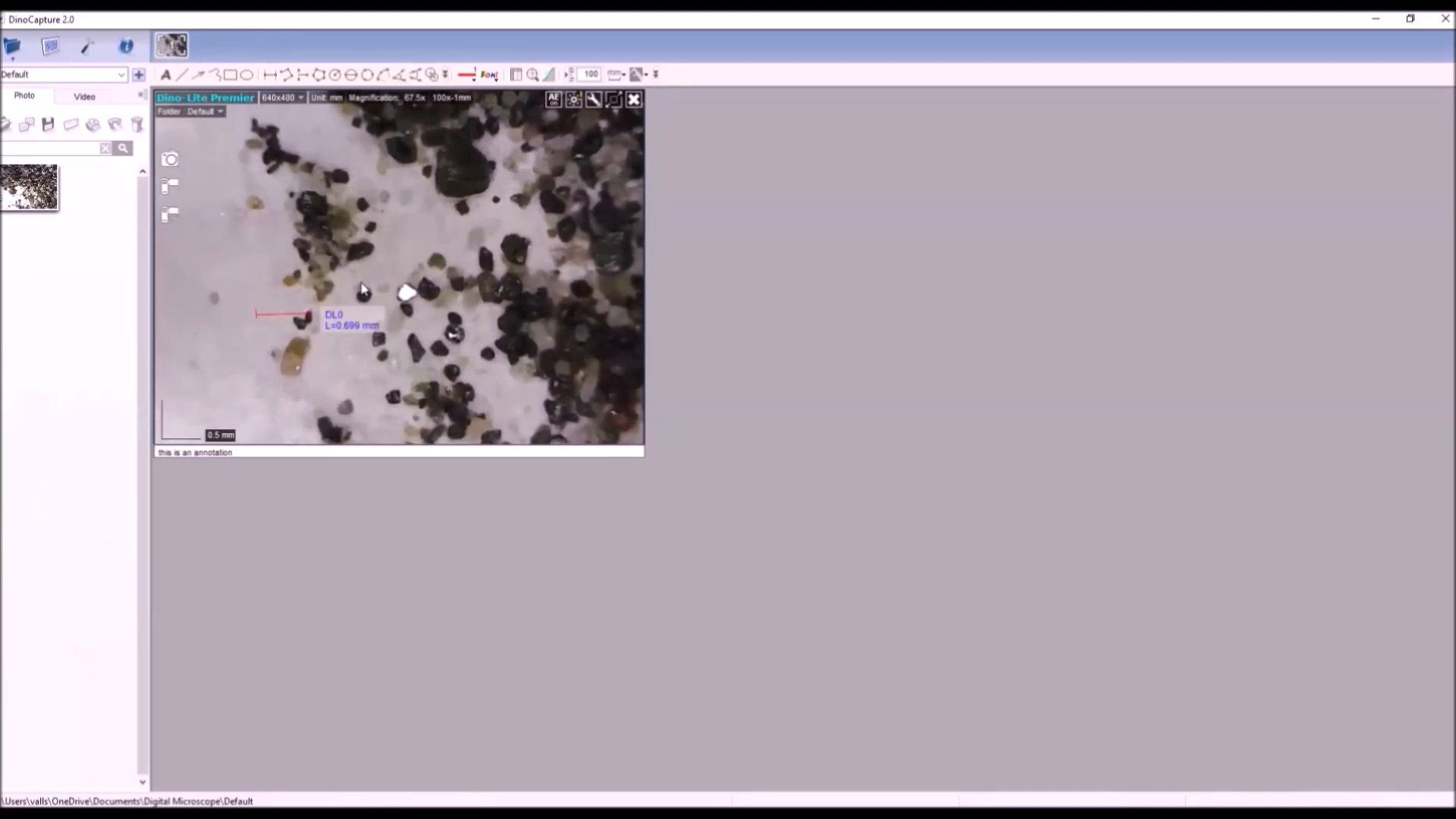
For an in-depth analysis of mineral composition, the DinoLite microscope proves to be an invaluable tool. This portable microscope connects to a computer and allows geologists to magnify samples up to 250 times, providing detailed images of mineral structures.
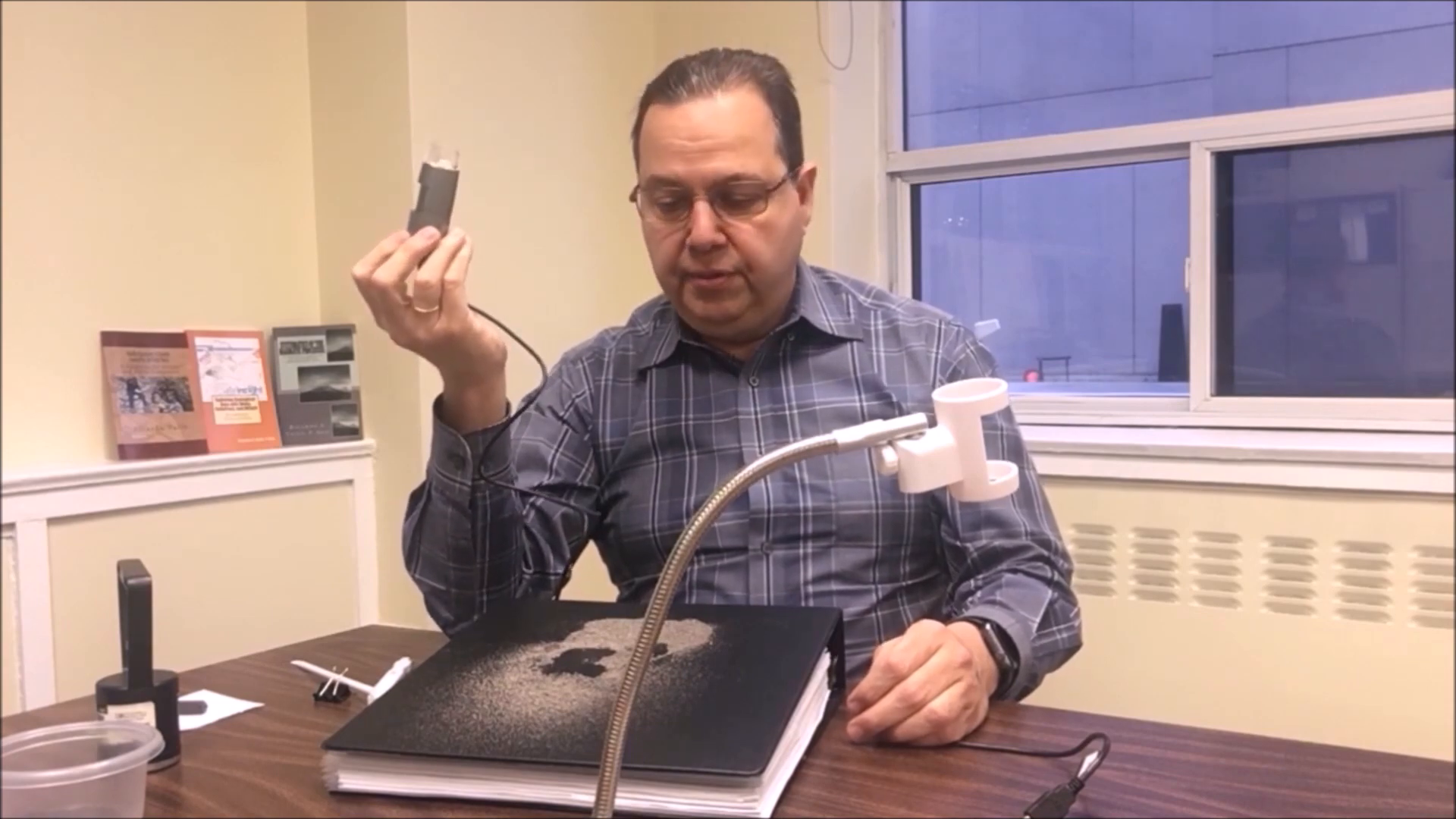
The DinoLite microscope is particularly beneficial for studying polished and thin sections of samples. Its capabilities extend to measuring mineral sizes, taking photos, and even recording videos for documentation purposes.
Geologists can use the DinoLite microscope both in the field and in the office, making it a versatile tool for mineral analysis. The software accompanying the microscope enables users to annotate images, measure sizes, and export data for further research.
Mineralogical Services Provided by ACT Labs. Presented by Sergio Troncoso 🏭
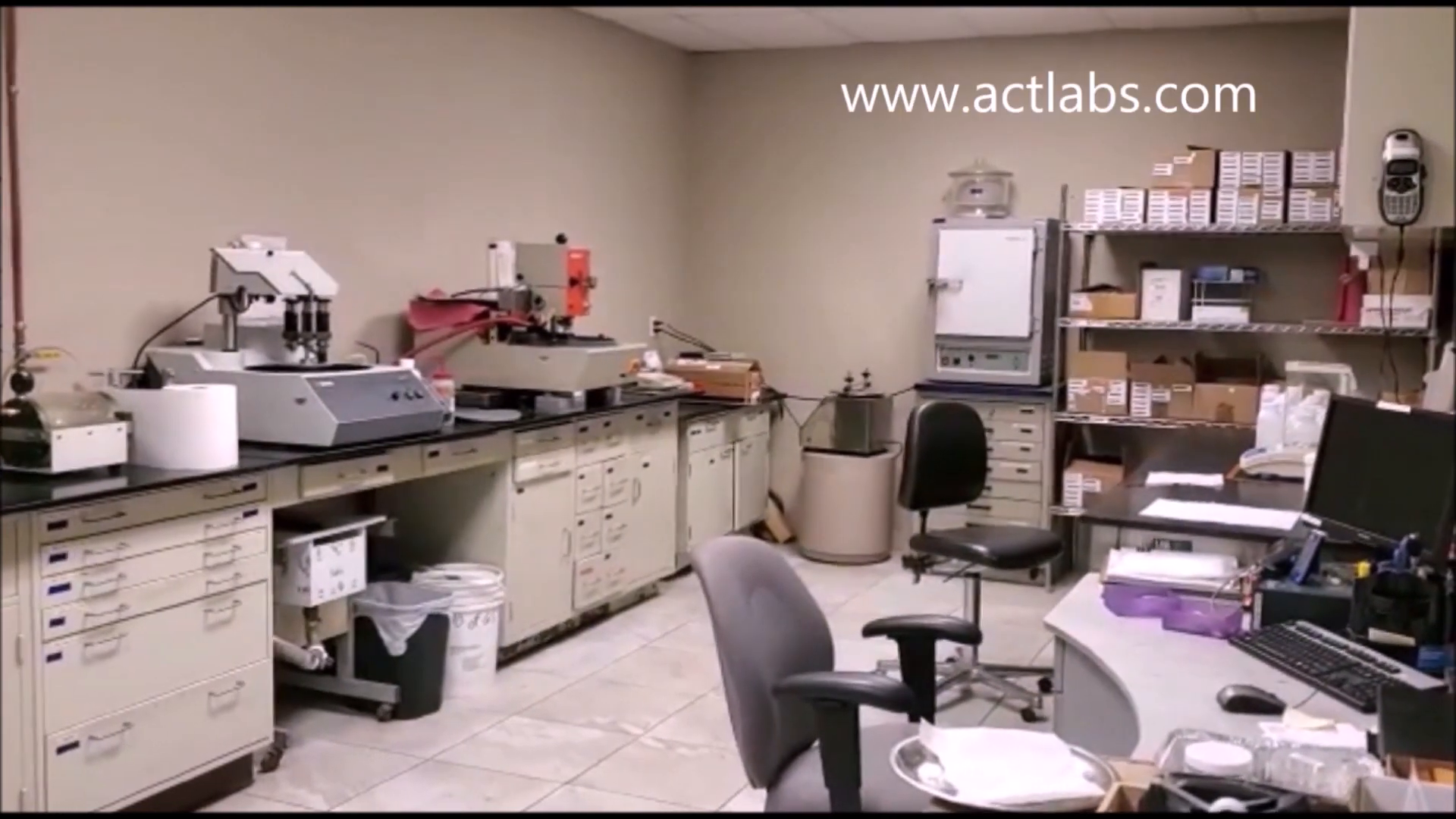
ACT Labs offers a range of mineralogical services designed to support exploration and processing efforts. These services include mineral identification, quantification, and liberation analysis. Sergio Troncoso, a representative from ACT Labs, emphasizes the importance of proper sample preparation to ensure accurate results.
The laboratory utilizes advanced equipment to analyze samples, including automated mineralogy tools that provide detailed insights into mineral associations. These analyses help geologists understand the characteristics of their samples and make informed decisions regarding processing and extraction.
Mineralogical Services Provided by SGS Labs. Presented by Tassos Grammatikopoulos 🧪
SGS Labs, represented by Tassos Grammatikopoulos, also offers comprehensive mineralogical services. These services focus on automated mineralogy, utilizing advanced techniques to analyze mineral samples efficiently.
The laboratory employs automated scanning electron microscopes (SEM) to collect data on mineral compositions and distributions. This data is crucial for understanding mineral liberation and association, which directly impacts processing strategies.
By integrating mineralogical analysis with geochemical data, SGS Labs provides valuable insights that enhance exploration and processing efforts. Understanding the mineralogy is essential for optimizing recovery and ensuring the economic viability of mining projects.
FAQ ❓
Q: What is the significance of heavy mineral concentrates in exploration?A: Heavy mineral concentrates play a crucial role in identifying rare elements and valuable minerals. They enhance the ability to detect anomalies in geochemical data, aiding exploration efforts.
Q: How does the condom method improve sampling efficiency?A: The condom method allows for quick separation of heavy minerals from lighter materials, significantly reducing the time needed for traditional panning methods.
Q: What are the benefits of using a DinoLite microscope?A: The DinoLite microscope provides high magnification, allowing for detailed analysis of mineral structures. It is portable and versatile, making it suitable for both field and office use.
Q: What services do ACT Labs and SGS Labs offer?A: Both ACT Labs and SGS Labs provide mineralogical analysis services, including mineral identification, quantification, and liberation analysis. They utilize advanced technologies to support exploration and processing efforts.
In conclusion, unconventional sampling techniques like using a condom for heavy mineral concentrates can revolutionize mineral exploration. By enhancing efficiency and accuracy, these methods allow geologists to make informed decisions and optimize recovery processes.
P. Geo. Ricardo A Valls, M. Sc.
Valls Geoconsultant
ORCID ID- https://orcid.org/0000-0002-5421-0914
Scopus Author ID: 7003369619/35335510700
ResearcherID: S-6604-2018
If you like this content, please "buy me a coffee" https://www.buymeacoffee.com/goldendroplets
#planetearth #geology #mining #exploration #education #earthscience #geologia #earthscienceteacher #cienciasnaturales #cienciasgeologicas #geochemistry #geochemistrybooks #geoquimica #trainingcourses #teachingonline #vallsgeoconsultant #vallsvg #technotectonics #goldendroplets #geovoices
Made with VideoToBlog


No comments:
Post a Comment