In the world of mineral exploration, effective sampling techniques are crucial for obtaining reliable data. This blog will delve into some innovative methods used in reverse circulation (RC) logging, particularly focusing on unusual techniques that can be employed when drilling below the water table. We will explore the intricacies of maintaining core integrity and the solutions to common challenges faced during the drilling process.
🔍 Maintaining Core Integrity During Sampling
One of the primary challenges in drilling is preserving the integrity of the core samples. Fragile cores can easily fracture during the drilling process, complicating the sampling efforts. To tackle this issue, a unique technique has been developed that involves pre-taping the core.
In this technique, the core is reconstructed carefully, ensuring that all fragments are aligned correctly. Once the core is assembled, clear tape is applied to hold the pieces together. This method allows for accurate cutting along a marked line without compromising the sample's integrity.
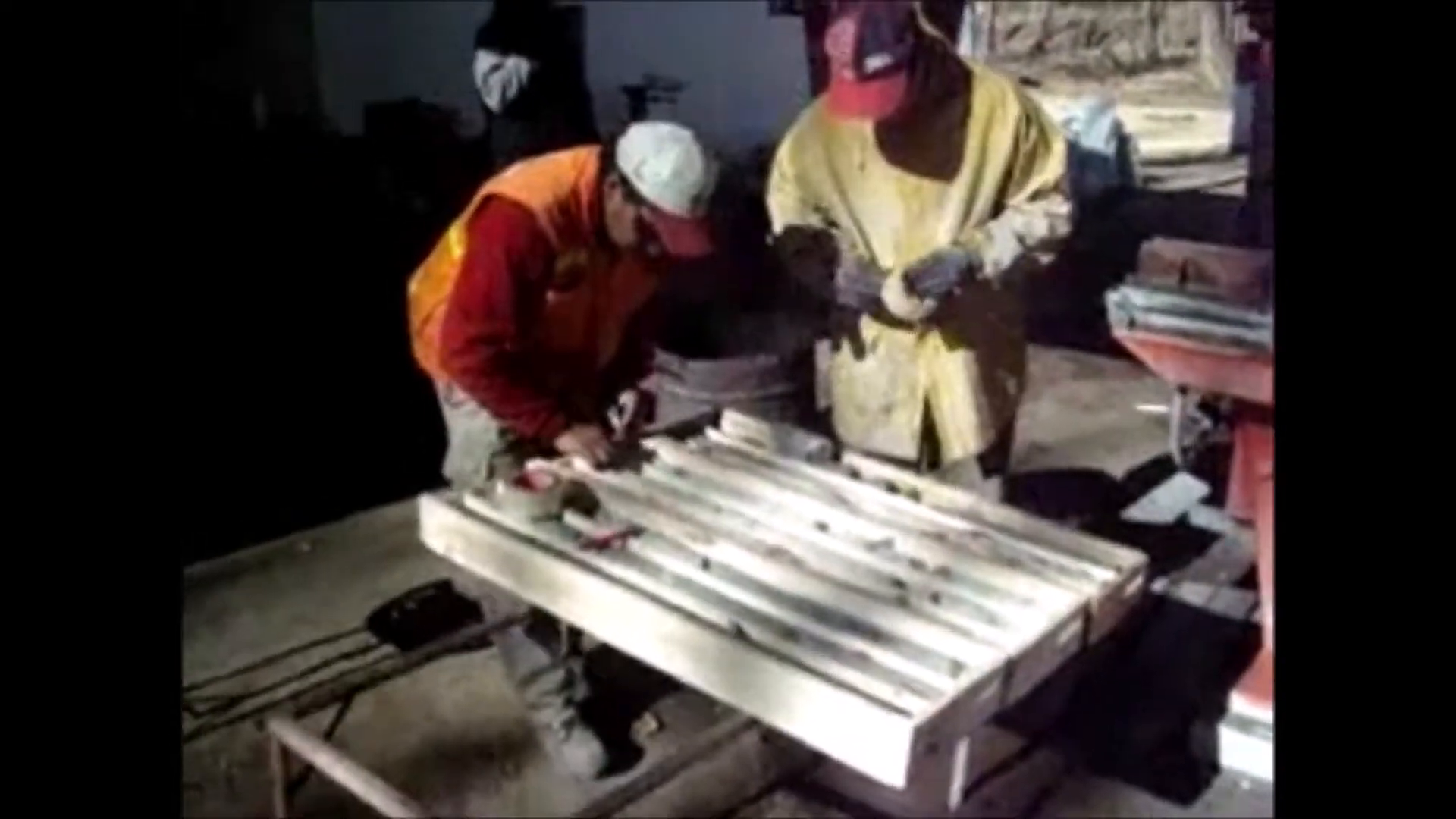
By using this approach, geologists can obtain cleaner and more precise samples, which are essential for effective analysis. The process is particularly beneficial in deposits where preserving the core's structure is critical, such as in silver and gold mineralization found in places like San Juan, Argentina.
💧 Overcoming Challenges of Drilling Below the Water Table
Drilling below the water table presents its own set of challenges, particularly in maintaining sample quality. When drilling occurs in saturated zones, the risk of contamination increases, which can compromise the results.
To address this issue, a comprehensive approach using multiple tubs and a flocculant was implemented. The flocculant helps to clarify the water, allowing for a cleaner sample collection process. This method effectively mitigates the risks associated with water contamination during drilling.
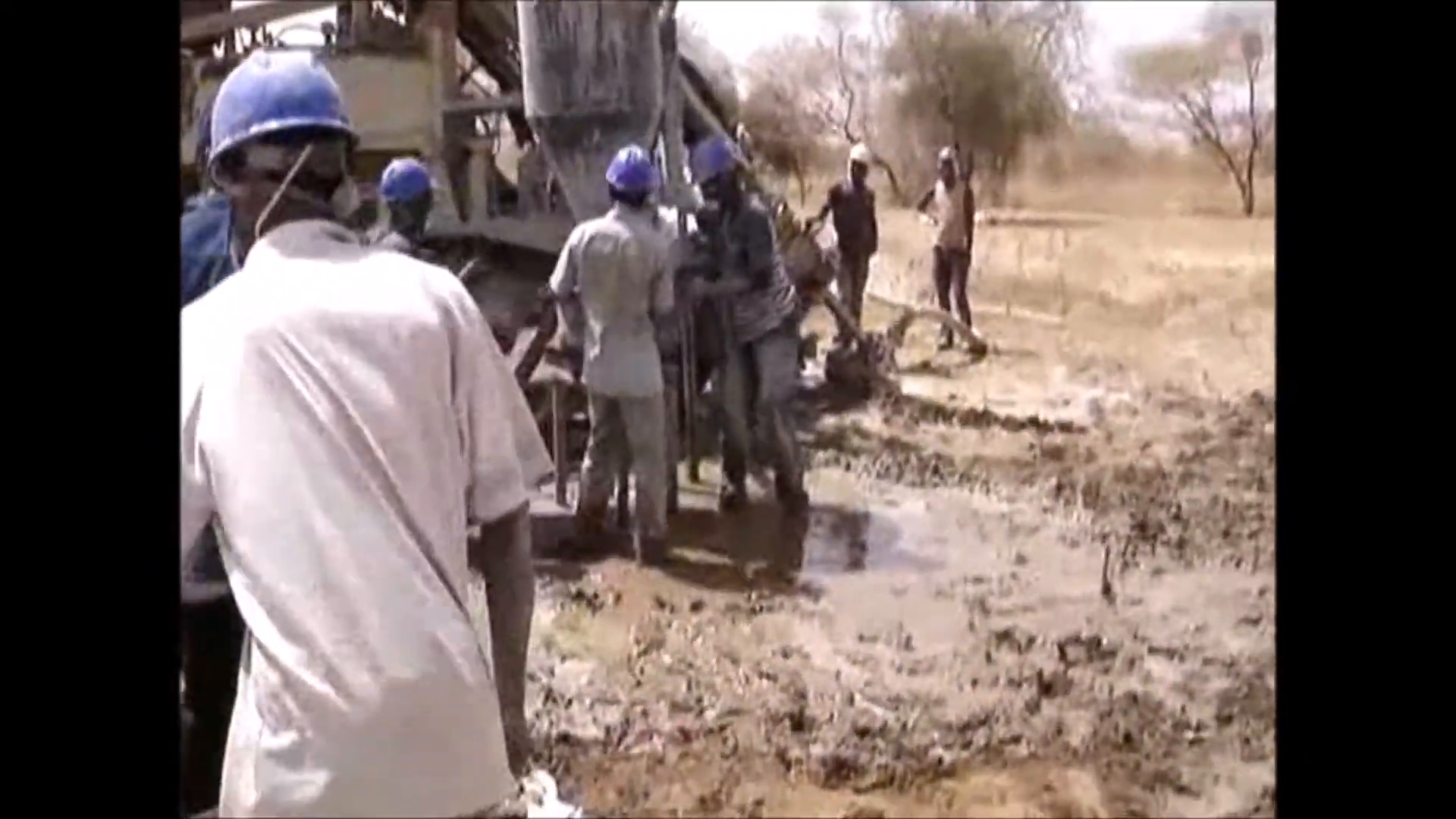
Utilizing these innovative methods, geologists can ensure that the samples collected below the water table are representative of the geological conditions. This is crucial for accurate logging and subsequent analysis.
🛠️ Preparing Blanks for RC Programs
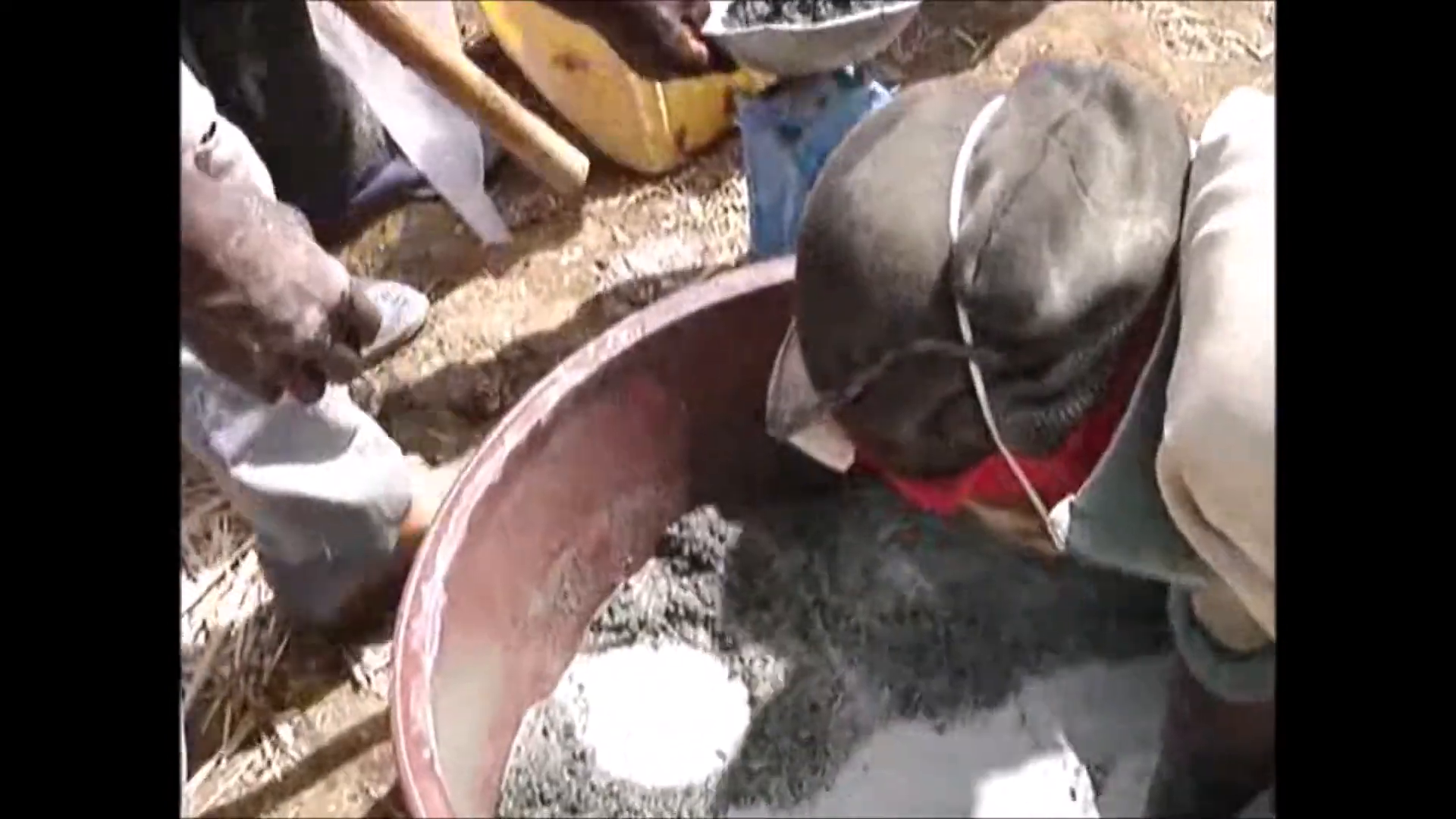
Another aspect of the RC drilling process involves preparing blanks for the program. Blanks are essential for maintaining the integrity of sampling. They serve as control samples to ensure that the results obtained are reliable and free from contamination.
In the preparation stage, local staff play a vital role. They meticulously prepare the blanks, ensuring that they are ready for use in the drilling program. This preparation involves careful handling and adherence to strict protocols to prevent any form of contamination.
📋 Best Practices for Effective RC Logging
Implementing best practices is essential for successful RC logging. Here are some key strategies to enhance the effectiveness of the drilling process:
- Core Management: Ensure proper handling and management of cores to maintain their integrity.
- Sampling Protocols: Follow strict sampling protocols to minimize contamination risks.
- Use of Flocculants: Implement flocculants when drilling below the water table for clearer samples.
- Training Personnel: Provide adequate training for local staff involved in the preparation and handling of samples.
By adhering to these practices, geologists can significantly improve the quality of their samples and the reliability of their findings.
❓ FAQ
What is reverse circulation (RC) drilling?
Reverse circulation drilling is a method used to obtain rock samples by using a dual-wall drill pipe. This technique allows for the collection of high-quality samples while minimizing contamination risks.
Why is core integrity important in sampling?
Maintaining core integrity is crucial because it ensures that the samples accurately represent the geological formations being studied. Compromised samples can lead to incorrect interpretations and decisions.
What are flocculants, and how do they help in drilling?
Flocculants are chemical agents used to promote the clumping of particles in water, which helps clarify the water and improves sample quality when drilling below the water table.
Where can I find more information about RC drilling techniques?
For more in-depth information, you can visit ORCID for resources related to geological research and exploration.
🌟 Conclusion
In conclusion, innovative sampling techniques in RC drilling, such as pre-taping cores and the use of flocculants, are vital for overcoming challenges associated with drilling below the water table. By implementing best practices and ensuring proper sample preparation, geologists can enhance the reliability of their findings and contribute to more effective mineral exploration.
P. Geo. Ricardo A Valls, M. Sc.
Valls Geoconsultant
ORCID ID- https://orcid.org/0000-0002-5421-0914
Scopus Author ID: 7003369619/35335510700
ResearcherID: S-6604-2018
If you like this content, please "buy me a coffee" https://www.buymeacoffee.com/goldendroplets
#planetearth #geology #mining #exploration #education #earthscience #geologia #earthscienceteacher #cienciasnaturales #cienciasgeologicas #geochemistry #geochemistrybooks #geoquimica #trainingcourses #teachingonline #vallsgeoconsultant #vallsvg #technotectonics #goldendroplets #geovoices
Made with VideoToBlog
No comments:
Post a Comment