Saturday, August 31, 2024

Understanding Geomatics: A Key to Successful Exploration 🌍

In the world of exploration, the techniques and technologies we employ can make a significant difference in our success. One such technique that has gained traction in recent years is geomatics. This article delves into what geomatics is, how it can enhance exploration efforts, and the methodologies involved in this fascinating field. With insights from industry experts, we aim to provide a comprehensive understanding of geomatics and its applications.

What is Geomatics? 📏

Geomatics is the discipline that encompasses the collection, analysis, interpretation, and management of geographic data. It integrates various data sources, including geographic information systems (GIS), satellite imagery, and historical records, to produce accurate maps and models for exploration. The primary goal of geomatics is to compile this data into a usable format for geologists and other professionals in the field.

By leveraging modern technology, geomatics allows for the efficient targeting of exploration areas, which is crucial when managing resources effectively. The process of narrowing down potential sites can lead to higher success rates in exploration efforts. As experts in the field, practitioners combine data from various sources to create a cohesive understanding of the landscape.

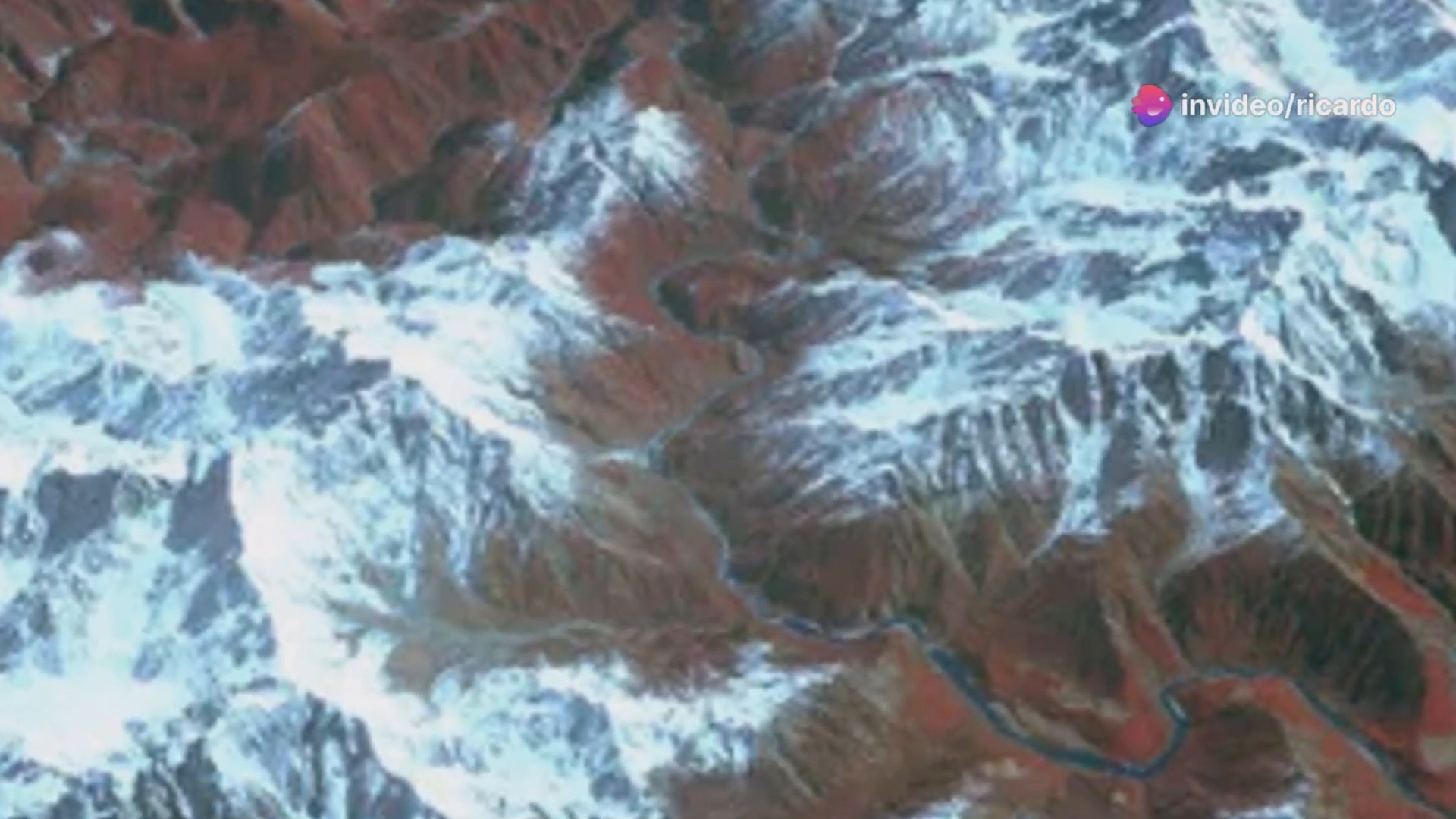
Introduction to Geomatics

The Importance of Data Compilation 📊

Data compilation is the first critical step in geomatics. It involves gathering information from multiple sources, including:

  • Geophysical data
  • Satellite imagery
  • Historical records and maps

Each of these data types contributes to a more comprehensive understanding of the area being explored. For instance, historical maps—some dating back over a century—can reveal valuable insights about geological formations and previous exploration efforts. However, integrating this data can be challenging, especially when dealing with inconsistently formatted records from different regions.

In well-documented areas like Europe, data may be more accessible and organized. In contrast, regions like Africa often lack structured data, making it essential to gather as much information as possible before conducting fieldwork. This rigorous compilation process helps in significantly reducing the exploration area, thereby increasing the chances of success.

Data Compilation Process

Utilizing Geophysical Data 🔍

Geophysical data plays a pivotal role in the geomatics process. It involves analyzing the physical properties of the Earth to identify anomalies that may indicate the presence of valuable minerals or resources. Geophysical surveys can reveal information that is not immediately visible through traditional exploration methods.

For example, by using geophysical techniques, geologists can detect subsurface features that may suggest the presence of mineral deposits. This capability allows for a more targeted exploration strategy, which can save time and resources. Moreover, digital data can reveal anomalies that may not be visible through conventional methods, further enhancing the effectiveness of exploration efforts.

Geophysical Data Analysis

Integrating Historical Data 📜

In addition to geophysical data, historical records are invaluable in the geomatics process. These records often contain insights into past exploration efforts, geological surveys, and even maps created by hand. Understanding the historical context of an area can provide clues about what to look for during modern exploration.

However, integrating historical data can be complex. For instance, older maps may use local coordinate systems that are not compatible with modern GPS data. It is crucial to convert these systems accurately to ensure that the data can be used effectively in current exploration efforts. Using specialized software, geomatics professionals can transform these coordinates and overlay them with contemporary data to create a unified geographical system.

Integrating Historical Data

The Role of Software in Geomatics 💻

Geomatics relies heavily on specialized software for data analysis and visualization. Various tools are available to assist in converting and managing geographic data. For instance, software like Map Viewer allows users to transform geographic coordinates and integrate different data sources into a singular framework.

In the final stages, software like Corel Draw is utilized to produce polished maps for presentation to stakeholders and investors. These maps are essential for conveying complex geological information in an accessible format. The ability to create custom maps tailored to specific exploration needs enhances the effectiveness of communication within the industry.

Software Tools in Geomatics

Field Verification: The Next Step 🔍

Once the data has been compiled and analyzed, field verification is the next critical step. This involves a geologist reviewing the compiled data to identify potential exploration targets. Field visits allow geologists to assess the validity of the data and make informed decisions about where to focus their efforts.

The importance of this step cannot be overstated. Field verification ensures that the theoretical models created from the data align with the actual conditions on the ground. This alignment is vital for successful exploration, as it allows for adjustments and refinements based on real-world observations.

Field Verification Process

Case Studies and Success Stories 📈

Practical applications of geomatics have led to numerous success stories in the exploration industry. For example, projects in Mauritania and the Kingdom of Saudi Arabia have benefitted from the systematic approach of geomatics, producing national geological maps that are crucial for ongoing exploration efforts.

In these cases, the integration of historical data, modern geophysical surveys, and field verification has resulted in successful identification of mineral resources. Such projects highlight the effectiveness of geomatics in enhancing exploration outcomes and reducing costs.

Success Stories in Geomatics

Challenges in Geomatics 🌍

While geomatics presents numerous advantages, it is not without challenges. One of the primary difficulties is the lack of accessible data in certain regions, particularly in developing countries. The absence of structured data can hinder effective exploration efforts, making it essential for professionals to adapt their strategies accordingly.

Additionally, the integration of diverse data types can lead to inconsistencies and errors if not managed carefully. Each piece of data must be verified and cross-referenced to ensure accuracy. This process can be time-consuming but is critical for successful exploration.

Challenges in Geomatics

The Future of Geomatics 🚀

The future of geomatics looks promising, with advancements in technology continually improving the efficiency of data collection and analysis. Emerging technologies such as artificial intelligence and machine learning are likely to play a significant role in enhancing data interpretation and decision-making processes.

As the demand for resources grows, the importance of geomatics in exploration will only increase. Companies that invest in geomatics will likely enjoy a competitive advantage, allowing them to make informed decisions based on comprehensive data analysis.

Future of Geomatics

Frequently Asked Questions (FAQ) ❓

What qualifications are needed to work in geomatics? 🎓

Typically, a degree in geodesy or geomatics engineering is required. Additional experience in the mining sector can be beneficial.

How does geomatics differ from traditional geological surveying? 📏

Geomatics integrates various data sources and technologies, providing a more comprehensive and efficient approach to exploration compared to traditional methods.

Can geomatics be applied to smaller exploration areas? 🌐

Yes, geomatics can be extremely useful for small exploration licenses, helping to identify potential resources in the surrounding area.

What software is commonly used in geomatics? 🖥️

Software such as Map Viewer and Corel Draw are commonly used for data transformation and map creation in geomatics.

Is historical data still relevant in modern exploration? 📜

Absolutely! Historical data can provide valuable insights into previous exploration efforts and geological formations.

In conclusion, geomatics is a vital tool in the exploration industry, enabling professionals to make informed decisions based on comprehensive data analysis. By integrating various data sources and utilizing modern technology, geomatics enhances the chances of success in exploration efforts, paving the way for future discoveries.

For further insights into the world of geomatics, you can explore more at Ricardo Valls' channel or learn about the importance of research and identification with ORCID.

Made with VideoToBlog
Friday, August 30, 2024

https://youtu.be/7vlzZiB_QLM

P. Geo. Ricardo A Valls, M. Sc. and Geo Gadfly Valls Geoconsultant ORCID ID- https://orcid.org/0000-0002-5421-0914 Scopus Author ID: 7003369619/35335510700 ResearcherID: S-6604-2018 If you like this content, please "buy me a coffee" https://www.buymeacoffee.com/goldendroplets

https://youtu.be/KVv1TNOQtlg

P. Geo. Ricardo A Valls, M. Sc. and Geo Gadfly Valls Geoconsultant ORCID ID- https://orcid.org/0000-0002-5421-0914 Scopus Author ID: 7003369619/35335510700 ResearcherID: S-6604-2018 If you like this content, please "buy me a coffee" https://www.buymeacoffee.com/goldendroplets

https://youtu.be/DW5TpAGpu_s

P. Geo. Ricardo A Valls, M. Sc. and Geo Gadfly Valls Geoconsultant ORCID ID- https://orcid.org/0000-0002-5421-0914 Scopus Author ID: 7003369619/35335510700 ResearcherID: S-6604-2018 If you like this content, please "buy me a coffee" https://www.buymeacoffee.com/goldendroplets

https://youtu.be/e39lb1dcSKw

P. Geo. Ricardo A Valls, M. Sc. and Geo Gadfly Valls Geoconsultant ORCID ID- https://orcid.org/0000-0002-5421-0914 Scopus Author ID: 7003369619/35335510700 ResearcherID: S-6604-2018 If you like this content, please "buy me a coffee" https://www.buymeacoffee.com/goldendroplets

https://youtu.be/GVWX7NTgZ6Q

In her insightful review, The New Yorker examines Marcia Bjornerud's book "Turning to Stone: Discovering the Subtle Wisdom of Rocks," which delves into the geological and philosophical significance of rocks. Bjornerud, a geologist, offers readers a profound understanding of Earth's deep time and the slow, deliberate processes that shape our planet. Through her lens, rocks become more than just inanimate objects; they are storytellers, chronicling the history of Earth and providing a long-term perspective on our existence. The review highlights Bjornerud's ability to bridge the gap between scientific inquiry and philosophical reflection. She encourages readers to appreciate the patience and endurance of geological processes, reminding us of the interconnectedness of all things and the importance of adopting a more geocentric worldview. By understanding rocks, we gain insight into the broader, often overlooked aspects of our world, fostering a deeper connection with the planet we inhabit. P. Geo. Ricardo A Valls, M. Sc. and Geo Gadfly Valls Geoconsultant ORCID ID- https://orcid.org/0000-0002-5421-0914 Scopus Author ID: 7003369619/35335510700 ResearcherID: S-6604-2018 If you like this content, please "buy me a coffee" https://www.buymeacoffee.com/goldendroplets

Wednesday, August 28, 2024

https://youtu.be/71PNcGJWndA

P. Geo. Ricardo A Valls, M. Sc. and Geo Gadfly Valls Geoconsultant ORCID ID- https://orcid.org/0000-0002-5421-0914 Scopus Author ID: 7003369619/35335510700 ResearcherID: S-6604-2018 If you like this content, please "buy me a coffee" https://www.buymeacoffee.com/goldendroplets

https://youtu.be/0Ww7doj5pJ8

P. Geo. Ricardo A Valls, M. Sc. and Geo Gadfly Valls Geoconsultant ORCID ID- https://orcid.org/0000-0002-5421-0914 Scopus Author ID: 7003369619/35335510700 ResearcherID: S-6604-2018 If you like this content, please "buy me a coffee" https://www.buymeacoffee.com/goldendroplets

https://youtu.be/8zuIvuLn0lc

Geologists have uncovered evidence of previously hidden magmatic activity beneath a significant site on the Moon, shedding new light on the Moon's geological history. Using advanced techniques such as seismic imaging, the team identified magmatic deposits that suggest the presence of a once-active magma chamber. This discovery challenges prior assumptions about the thermal and magmatic evolution of the lunar interior, indicating that magmatic processes may have persisted longer than previously thought. The findings have significant implications for understanding the Moon's geodynamic history and could inform future lunar exploration missions. By revealing these hidden magmatic processes, the study opens new avenues for investigating the Moon's formation and its geophysical characteristics. This research underscores the importance of continuous exploration and study of the Moon to refine our knowledge of planetary processes both within our solar system and beyond. P. Geo. Ricardo A Valls, M. Sc. and Geo Gadfly Valls Geoconsultant ORCID ID- https://orcid.org/0000-0002-5421-0914 Scopus Author ID: 7003369619/35335510700 ResearcherID: S-6604-2018 If you like this content, please "buy me a coffee" https://www.buymeacoffee.com/goldendroplets

https://youtu.be/c49ZzHQAtHw

P. Geo. Ricardo A Valls, M. Sc. and Geo Gadfly Valls Geoconsultant ORCID ID- https://orcid.org/0000-0002-5421-0914 Scopus Author ID: 7003369619/35335510700 ResearcherID: S-6604-2018 If you like this content, please "buy me a coffee" https://www.buymeacoffee.com/goldendroplets

https://youtu.be/S-4vOKG760k

P. Geo. Ricardo A Valls, M. Sc. and Geo Gadfly Valls Geoconsultant ORCID ID- https://orcid.org/0000-0002-5421-0914 Scopus Author ID: 7003369619/35335510700 ResearcherID: S-6604-2018 If you like this content, please "buy me a coffee" https://www.buymeacoffee.com/goldendroplets

https://youtu.be/S-4vOKG760k

P. Geo. Ricardo A Valls, M. Sc. and Geo Gadfly Valls Geoconsultant ORCID ID- https://orcid.org/0000-0002-5421-0914 Scopus Author ID: 7003369619/35335510700 ResearcherID: S-6604-2018 If you like this content, please "buy me a coffee" https://www.buymeacoffee.com/goldendroplets

https://youtu.be/-DEaaEpYa3g

P. Geo. Ricardo A Valls, M. Sc. and Geo Gadfly Valls Geoconsultant ORCID ID- https://orcid.org/0000-0002-5421-0914 Scopus Author ID: 7003369619/35335510700 ResearcherID: S-6604-2018 If you like this content, please "buy me a coffee" https://www.buymeacoffee.com/goldendroplets

Innovative Techniques in RC, Reverse Circulation, Logging: Exploring Unusual Sampling Methods

In the world of mineral exploration, effective sampling techniques are crucial for obtaining reliable data. This blog will delve into some innovative methods used in reverse circulation (RC) logging, particularly focusing on unusual techniques that can be employed when drilling below the water table. We will explore the intricacies of maintaining core integrity and the solutions to common challenges faced during the drilling process.

🔍 Maintaining Core Integrity During Sampling

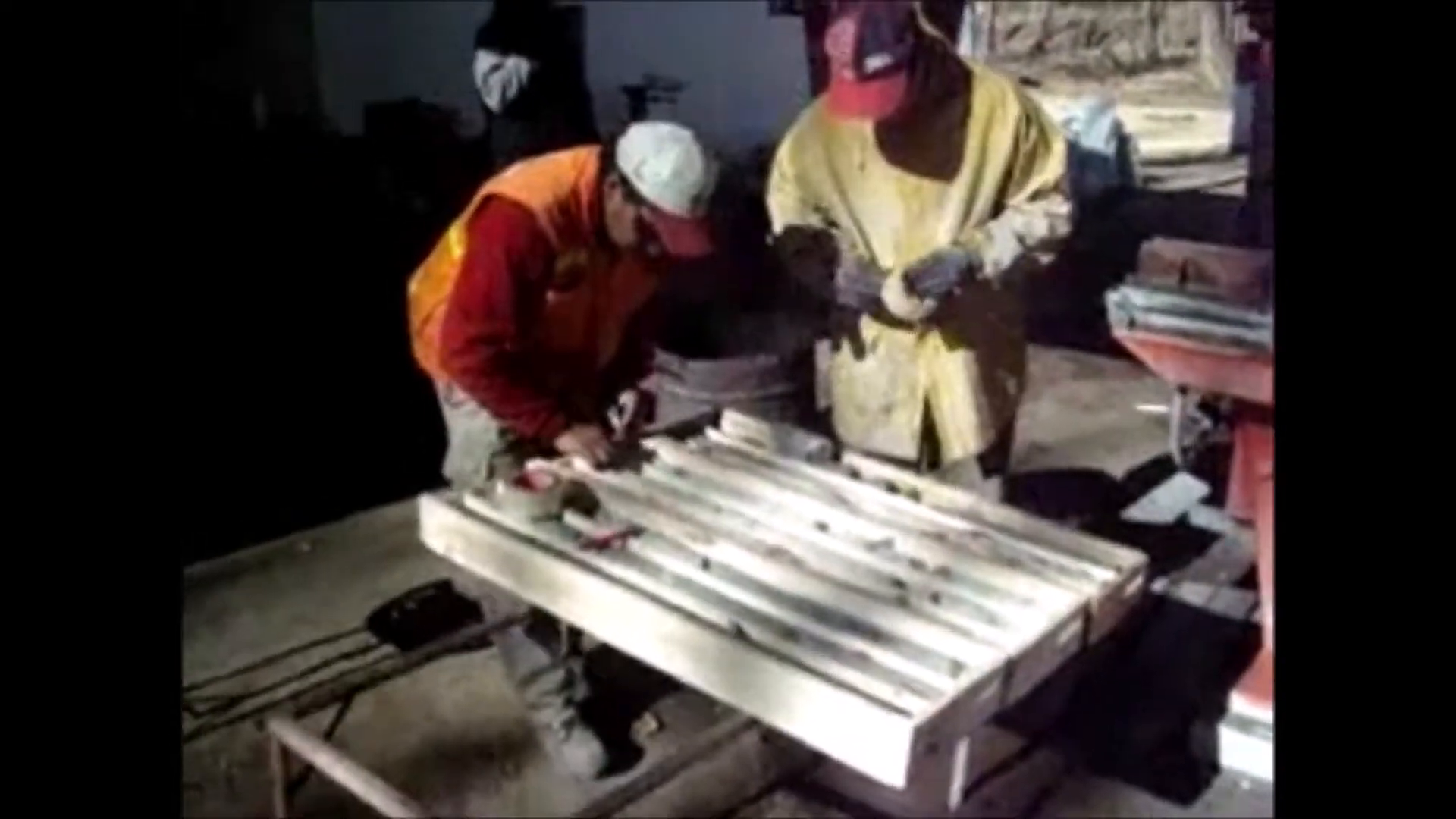
One of the primary challenges in drilling is preserving the integrity of the core samples. Fragile cores can easily fracture during the drilling process, complicating the sampling efforts. To tackle this issue, a unique technique has been developed that involves pre-taping the core.

In this technique, the core is reconstructed carefully, ensuring that all fragments are aligned correctly. Once the core is assembled, clear tape is applied to hold the pieces together. This method allows for accurate cutting along a marked line without compromising the sample's integrity.

Reconstructing the core for sampling

By using this approach, geologists can obtain cleaner and more precise samples, which are essential for effective analysis. The process is particularly beneficial in deposits where preserving the core's structure is critical, such as in silver and gold mineralization found in places like San Juan, Argentina.

💧 Overcoming Challenges of Drilling Below the Water Table

Drilling below the water table presents its own set of challenges, particularly in maintaining sample quality. When drilling occurs in saturated zones, the risk of contamination increases, which can compromise the results.

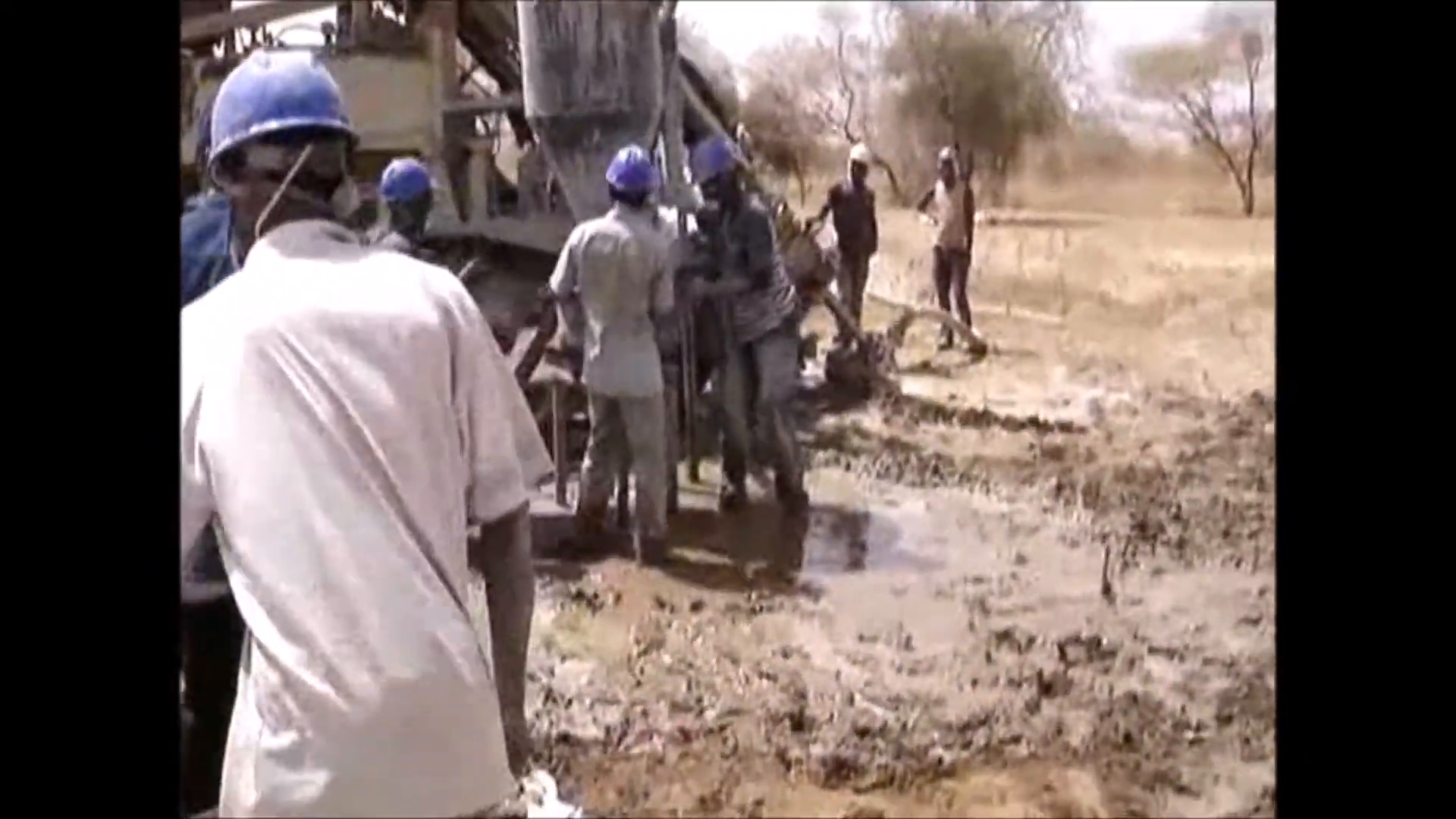
To address this issue, a comprehensive approach using multiple tubs and a flocculant was implemented. The flocculant helps to clarify the water, allowing for a cleaner sample collection process. This method effectively mitigates the risks associated with water contamination during drilling.

Drilling below the water table

Utilizing these innovative methods, geologists can ensure that the samples collected below the water table are representative of the geological conditions. This is crucial for accurate logging and subsequent analysis.

🛠️ Preparing Blanks for RC Programs

Another aspect of the RC drilling process involves preparing blanks for the program. Blanks are essential for maintaining the integrity of sampling. They serve as control samples to ensure that the results obtained are reliable and free from contamination.

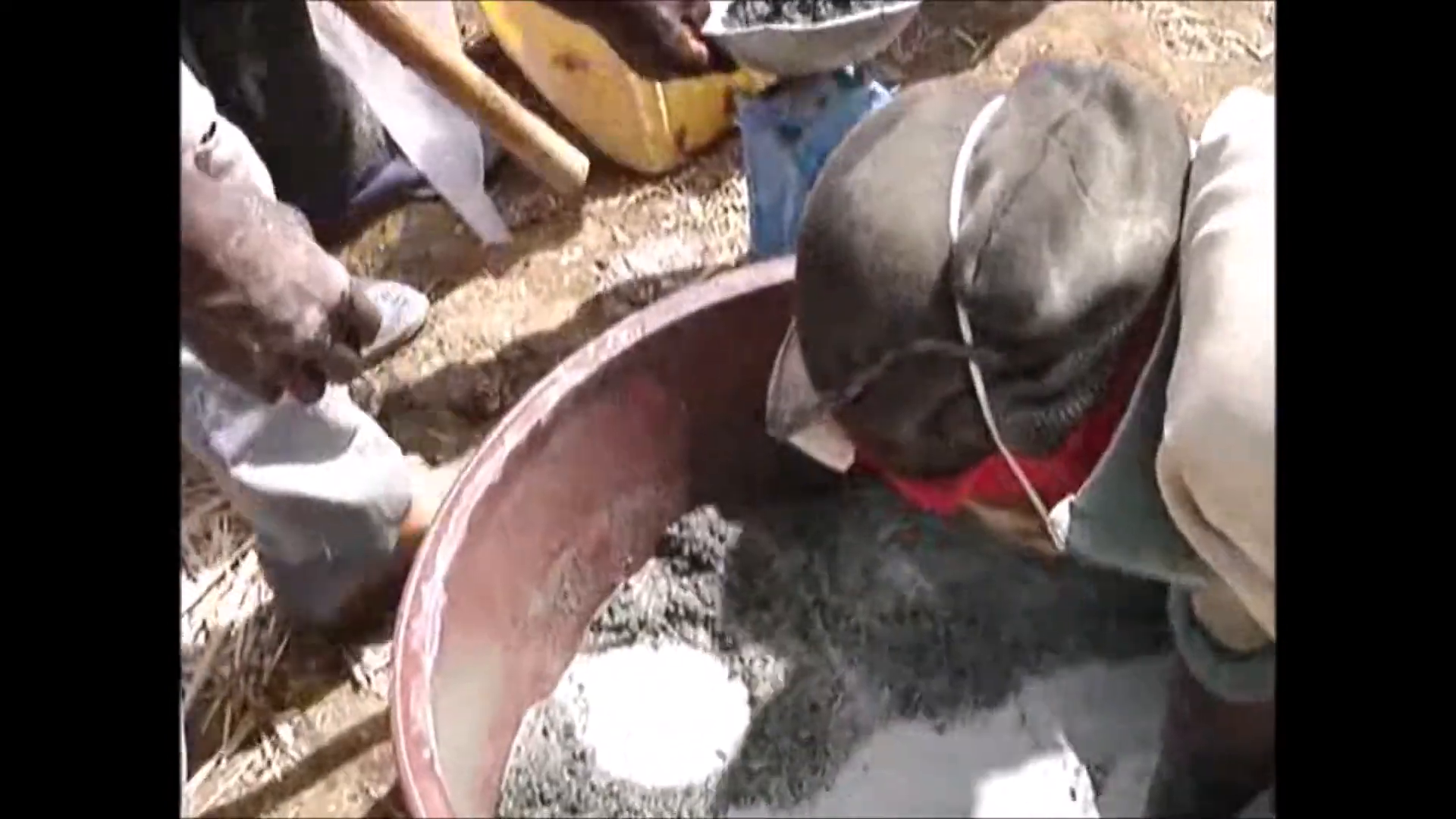
In the preparation stage, local staff play a vital role. They meticulously prepare the blanks, ensuring that they are ready for use in the drilling program. This preparation involves careful handling and adherence to strict protocols to prevent any form of contamination.

Preparing blanks for RC drilling

📋 Best Practices for Effective RC Logging

Implementing best practices is essential for successful RC logging. Here are some key strategies to enhance the effectiveness of the drilling process:

  • Core Management: Ensure proper handling and management of cores to maintain their integrity.
  • Sampling Protocols: Follow strict sampling protocols to minimize contamination risks.
  • Use of Flocculants: Implement flocculants when drilling below the water table for clearer samples.
  • Training Personnel: Provide adequate training for local staff involved in the preparation and handling of samples.

By adhering to these practices, geologists can significantly improve the quality of their samples and the reliability of their findings.

❓ FAQ

What is reverse circulation (RC) drilling?

Reverse circulation drilling is a method used to obtain rock samples by using a dual-wall drill pipe. This technique allows for the collection of high-quality samples while minimizing contamination risks.

Why is core integrity important in sampling?

Maintaining core integrity is crucial because it ensures that the samples accurately represent the geological formations being studied. Compromised samples can lead to incorrect interpretations and decisions.

What are flocculants, and how do they help in drilling?

Flocculants are chemical agents used to promote the clumping of particles in water, which helps clarify the water and improves sample quality when drilling below the water table.

Where can I find more information about RC drilling techniques?

For more in-depth information, you can visit ORCID for resources related to geological research and exploration.

🌟 Conclusion

In conclusion, innovative sampling techniques in RC drilling, such as pre-taping cores and the use of flocculants, are vital for overcoming challenges associated with drilling below the water table. By implementing best practices and ensuring proper sample preparation, geologists can enhance the reliability of their findings and contribute to more effective mineral exploration.

P. Geo. Ricardo A Valls, M. Sc.

Valls Geoconsultant

ORCID ID- https://orcid.org/0000-0002-5421-0914

Scopus Author ID: 7003369619/35335510700

ResearcherID: S-6604-2018

If you like this content, please "buy me a coffee" https://www.buymeacoffee.com/goldendroplets

#planetearth #geology #mining #exploration #education #earthscience #geologia #earthscienceteacher #cienciasnaturales #cienciasgeologicas #geochemistry #geochemistrybooks #geoquimica #trainingcourses #teachingonline #vallsgeoconsultant #vallsvg #technotectonics #goldendroplets #geovoices

Made with VideoToBlog
Friday, August 23, 2024

Earth Turned Into a Giant Snowball: Scotland's Geological Time Capsule

Recent geological findings have unveiled a fascinating chapter in Earth’s history, showcasing a time when our planet transformed from a warm tropical paradise into a frozen wasteland. This extraordinary transition, termed the "Cryogenian," is now documented in ancient rocks discovered on a remote archipelago in Scotland. The implications of this discovery are significant for understanding the climate changes that have shaped our world. This article delves into the details of this remarkable geological record and its importance in the context of Earth's climatic history.

🌍 The Discovery of Ancient Rocks

Scientists have recently made a groundbreaking discovery in Scotland's Inner Hebrides, where they unearthed ancient rocks dating back between 720 to 662 million years. These rocks provide a comprehensive geological record that captures the transition from a warm environment to a planet-wide freeze. The significance of these rocks lies in their preservation; unlike many other regions worldwide, glacial activity has not erased this geological history.

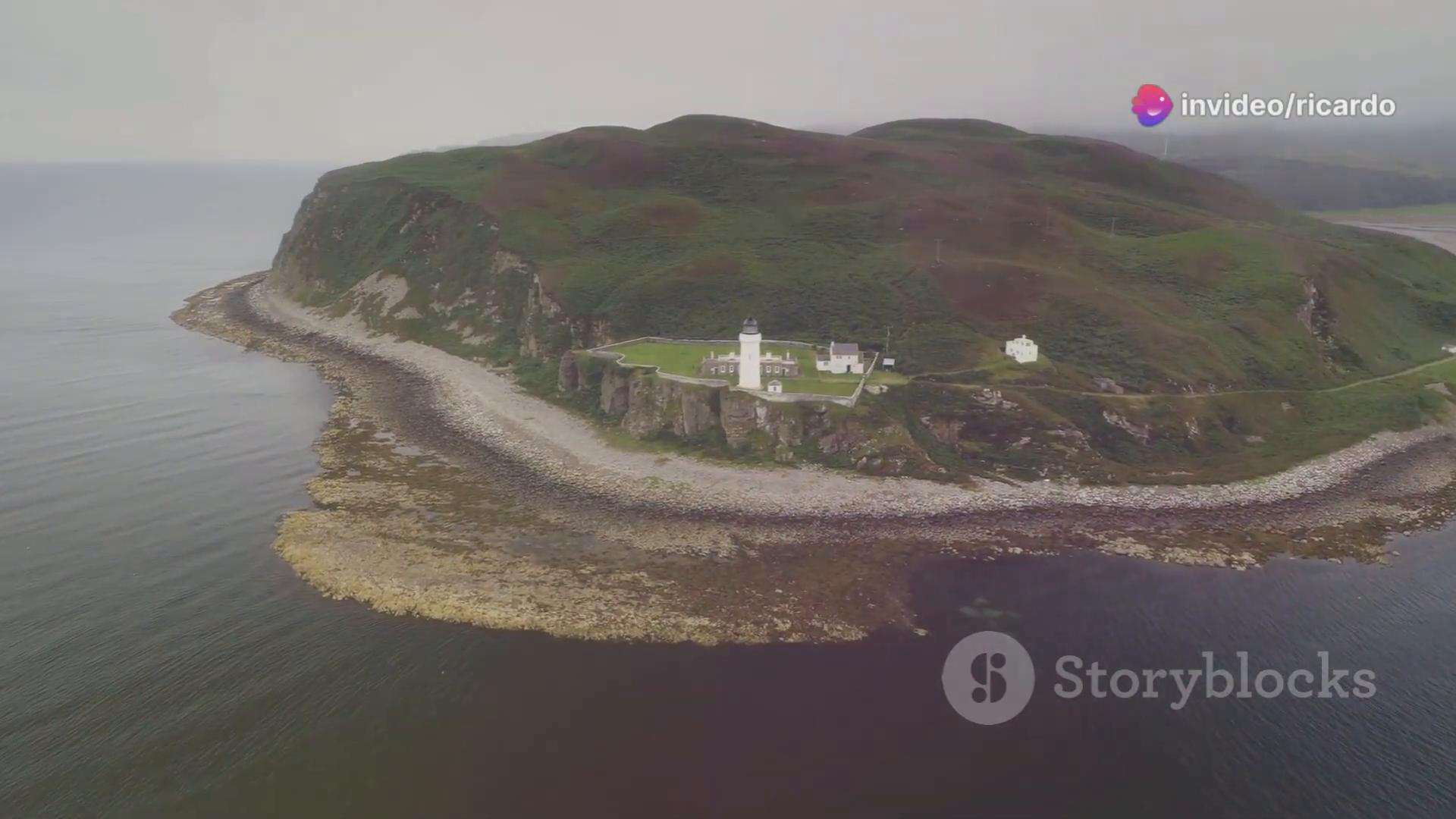
Ancient rocks in Scotland

Located on the Garvellachs, these rocks are a geological time capsule. They reveal the climatic shifts that occurred during the Cryogenian period, a time notorious for its dramatic climate changes. The research team focused on thick rock layers, some exceeding half a mile in thickness, which hold vital information about Earth's ancient environment.

🔬 Analyzing the Geological Layers

To understand the history embedded within these rocks, researchers analyzed tiny zircon crystals contained in the samples. Zircons are invaluable in geological studies because they contain uranium, which decays into lead over time. By measuring the decay rates, scientists can accurately date the formation of the rocks.

Zircon crystals in rocks

The findings revealed that the lower layers of these rocks formed in warm, tropical waters teeming with cyanobacteria. This indicates a prolonged period of warmth before a significant temperature drop occurred, marking the end of a billion-year-long temperate climate on Earth. The geological record in Scotland thus serves as a critical point of study for understanding past climate conditions.

📜 The Golden Spike Potential

The discovery has far-reaching implications for the field of geology. The rocks from the Garvellachs could potentially be recognized as a "golden spike" by the International Commission on Stratigraphy. A golden spike signifies a major shift in geological time periods, and if ratified, this site would officially mark the transition from the Tonian period to the Cryogenian period.

Golden spike geological marker

This recognition is crucial as it highlights the importance of the Garvellachs in understanding Earth's geological history. The clarity and completeness of the rock formations provide a unique insight into one of the most significant climate transitions in Earth's history. This geological marker could serve as a reference point for future studies on climate change and Earth’s climatic systems.

🌡️ Understanding Climate Shifts

Studying these ancient rocks is not merely an academic exercise; it is essential for grasping how Earth's climate system operates. By analyzing past climate conditions, scientists can draw parallels with current climate challenges and predict future trends. The ancient climatic data embedded in these rocks can offer insights into how Earth might respond to ongoing environmental changes.

Climate shifts in Earth's history

As we face unprecedented climate challenges today, understanding how the planet has responded to similar changes in the past becomes increasingly important. Learning from these geological records can help inform strategies for addressing current and future climate issues.

❓ Frequently Asked Questions

What is the Cryogenian period?

The Cryogenian period is a significant time in Earth's history, characterized by extreme glaciation and dramatic climate shifts. This period is known for the "Snowball Earth" hypothesis, suggesting that glaciers covered much of the planet.

Why are the rocks in Scotland significant?

The rocks in Scotland provide a rare and well-preserved geological record of the transition from a warm climate to a frozen one, making them invaluable for studying Earth's climatic history.

What is a golden spike?

A golden spike is a geological marker that signifies a major shift in geological time periods. It serves as an official reference point for distinguishing between different epochs in Earth's history.

How can studying ancient rocks help with current climate issues?

By understanding past climate conditions recorded in ancient rocks, scientists can gain insights into how Earth’s climate system works, which can inform strategies to tackle current and future climate challenges.

📚 Conclusion

The discovery of ancient rocks in Scotland has opened up a new chapter in our understanding of Earth's climatic history. These rocks not only document a crucial transition from a warm environment to a frozen planet but also hold the potential to become a golden spike, marking a significant geological milestone. As we continue to face climate challenges, the insights gleaned from these ancient formations will be invaluable in shaping our understanding of Earth's climate system and informing future actions.

For those interested in furthering their understanding of geological methods and supporting ongoing research, consider visiting Golden Droplets, where advanced geological techniques are discussed and shared.

Additionally, for more information on the geological significance of these findings, check out the article on Live Science.

As we continue to explore our planet's history, it is clear that the lessons learned from the past are essential in navigating our future. The journey of understanding how Earth turned into a giant snowball is just one of the many incredible stories waiting to be uncovered.

P. Geo. Ricardo A Valls, M. Sc.

Valls Geoconsultant

ORCID ID- https://orcid.org/0000-0002-5421-0914

Scopus Author ID: 7003369619/35335510700

ResearcherID: S-6604-2018

If you like this content, please "buy me a coffee" https://www.buymeacoffee.com/goldendroplets

#planetearth #geology #mining #exploration #education #earthscience #geologia #earthscienceteacher #cienciasnaturales #cienciasgeologicas #geochemistry #geochemistrybooks #geoquimica #trainingcourses #teachingonline #vallsgeoconsultant #vallsvg #technotectonics #goldendroplets #geovoices

Made with VideoToBlog
https://youtu.be/1xva8JgUeFM

P. Geo. Ricardo A Valls, M. Sc. and Geo Gadfly Valls Geoconsultant ORCID ID- https://orcid.org/0000-0002-5421-0914 Scopus Author ID: 7003369619/35335510700 ResearcherID: S-6604-2018 If you like this content, please "buy me a coffee" https://www.buymeacoffee.com/goldendroplets

https://youtu.be/rOzTYVhylR8

P. Geo. Ricardo A Valls, M. Sc. and Geo Gadfly Valls Geoconsultant ORCID ID- https://orcid.org/0000-0002-5421-0914 Scopus Author ID: 7003369619/35335510700 ResearcherID: S-6604-2018 If you like this content, please "buy me a coffee" https://www.buymeacoffee.com/goldendroplets

https://youtu.be/jL9i615caag

P. Geo. Ricardo A Valls, M. Sc. and Geo Gadfly Valls Geoconsultant ORCID ID- https://orcid.org/0000-0002-5421-0914 Scopus Author ID: 7003369619/35335510700 ResearcherID: S-6604-2018 If you like this content, please "buy me a coffee" https://www.buymeacoffee.com/goldendroplets

https://youtu.be/Fb2K2I0o4JE

P. Geo. Ricardo A Valls, M. Sc. and Geo Gadfly Valls Geoconsultant ORCID ID- https://orcid.org/0000-0002-5421-0914 Scopus Author ID: 7003369619/35335510700 ResearcherID: S-6604-2018 If you like this content, please "buy me a coffee" https://www.buymeacoffee.com/goldendroplets

https://youtu.be/0g8yHbZwHsQ

Scientists have discovered a remarkable geological record on the Garvellachs, a remote archipelago in Scotland's Inner Hebrides, that captures the transition from a warm tropical environment to a "snowball Earth" period. The rocks, dating between 720 million and 662 million years ago, provide a complete account of Earth's shift from the Tonian period to the Cryogenian period when glaciers covered the entire planet[1]. This rare preservation occurred because the ancient glaciers did not erode away the underlying rocks in this location, unlike most other areas of the world[1]. The research team analyzed a 0.7-mile-thick layer of rocks, along with an additional 230-foot-thick layer beneath it. By examining tiny zircon crystals within the rock samples, they were able to precisely date the formation of these rocks[1]. The lower section of the rock formation indicates a tropical marine environment that gradually cooled, marking the end of Earth's billion-year temperate climate. If confirmed, this site could be declared a "golden spike," serving as an official geological marker for the transition between the Tonian and Cryogenian periods[1]. Citations: [1] https://www.livescience.com/planet-earth/geology/golden-spike-showing-the-moment-earth-turned-into-a-giant-snowball-discovered-in-ancient-scottish-rocks P. Geo. Ricardo A Valls, M. Sc. and Geo Gadfly Valls Geoconsultant ORCID ID- https://orcid.org/0000-0002-5421-0914 Scopus Author ID: 7003369619/35335510700 ResearcherID: S-6604-2018 If you like this content, please "buy me a coffee" https://www.buymeacoffee.com/goldendroplets

Thursday, August 22, 2024

https://youtu.be/9UlNDjJYcEA

P. Geo. Ricardo A Valls, M. Sc. and Geo Gadfly Valls Geoconsultant ORCID ID- https://orcid.org/0000-0002-5421-0914 Scopus Author ID: 7003369619/35335510700 ResearcherID: S-6604-2018 If you like this content, please "buy me a coffee" https://www.buymeacoffee.com/goldendroplets

https://youtu.be/exM1Mc6hHW4

P. Geo. Ricardo A Valls, M. Sc. and Geo Gadfly Valls Geoconsultant ORCID ID- https://orcid.org/0000-0002-5421-0914 Scopus Author ID: 7003369619/35335510700 ResearcherID: S-6604-2018 If you like this content, please "buy me a coffee" https://www.buymeacoffee.com/goldendroplets

https://youtu.be/lKt2qNrfV-0

P. Geo. Ricardo A Valls, M. Sc. and Geo Gadfly Valls Geoconsultant ORCID ID- https://orcid.org/0000-0002-5421-0914 Scopus Author ID: 7003369619/35335510700 ResearcherID: S-6604-2018 If you like this content, please "buy me a coffee" https://www.buymeacoffee.com/goldendroplets

https://youtu.be/bJE4Zt_03ks

P. Geo. Ricardo A Valls, M. Sc. and Geo Gadfly Valls Geoconsultant ORCID ID- https://orcid.org/0000-0002-5421-0914 Scopus Author ID: 7003369619/35335510700 ResearcherID: S-6604-2018 If you like this content, please "buy me a coffee" https://www.buymeacoffee.com/goldendroplets

https://youtu.be/i64i5qw51Hg

P. Geo. Ricardo A Valls, M. Sc. and Geo Gadfly Valls Geoconsultant ORCID ID- https://orcid.org/0000-0002-5421-0914 Scopus Author ID: 7003369619/35335510700 ResearcherID: S-6604-2018 If you like this content, please "buy me a coffee" https://www.buymeacoffee.com/goldendroplets

https://youtu.be/VX7b9ogIyTg

Recent research suggests that ultra-low velocity zones (ULVZs), mysterious areas in Earth's deep mantle where earthquake waves significantly slow down, may be more widespread than previously thought[1]. These zones, located near the core-mantle boundary, can reduce seismic wave speeds by up to 50%. Initially believed to be associated primarily with hotspots like Hawaii, new evidence indicates that ULVZs might be present in various locations throughout the mantle[1]. The study, published in AGU Advances, analyzed data from deep earthquakes near New Guinea and found patterns suggesting the presence of ULVZs in unexpected areas, including under North America[1]. While the origin and composition of ULVZs remain uncertain, researchers propose they could be formed from basaltic rock that melted after being subducted into the mantle[1]. Understanding these zones could provide valuable insights into volcanic hotspots and mantle dynamics, though many questions about their nature and role in Earth's interior processes remain unanswered[1]. Citations: [1] https://www.livescience.com/planet-earth/geology/weird-mystery-waves-that-baffle-scientists-may-be-everywhere-inside-earth-s-mantle P. Geo. Ricardo A Valls, M. Sc. and Geo Gadfly Valls Geoconsultant ORCID ID- https://orcid.org/0000-0002-5421-0914 Scopus Author ID: 7003369619/35335510700 ResearcherID: S-6604-2018 If you like this content, please "buy me a coffee" https://www.buymeacoffee.com/goldendroplets

Unusual Exploration Techniques: Sampling with a Condom 🦺

In the field of geology and mineral exploration, accurate sampling techniques are essential for identifying valuable resources. This article explores innovative methods that enhance sampling efficiency and accuracy, focusing on unconventional techniques. We will discuss sampling methods, field examples, sample preparation, processing, and the services offered by various laboratories.

Presentation of the Problem and the Method 🧪

Geochemical sampling can be categorized into three main groups: alluvial, colluvial, and in-situ anomalies. Each category serves a unique purpose in mineral exploration. Alluvial sampling involves collecting sediments from riverbanks, while colluvial sampling focuses on materials from slopes and hillsides. In-situ sampling is conducted directly from rock formations.

When conducting regional exploration, sampling is often performed on a large scale, such as 1:50,000. This approach typically yields 4 to 16 sediment sitters with a maximum of 2 heavy mineral concentrates per square kilometer. Heavy mineral concentrates are crucial as they allow geologists to detect anomalies of rare elements, such as diamonds and gold.

Geochemical sampling methods

However, traditional sampling methods can be time-consuming. The process of panning for heavy mineral concentrates can take several minutes and requires skilled technicians. While effective, this method is not widely adopted due to the time investment required.

To address these challenges, an innovative solution has been proposed: using a condom to concentrate heavy minerals quickly and effectively. This technique significantly reduces the time spent on sampling while improving the quality of concentrates obtained.

Taking a Sample in the Field with African Lion Resources 🌍

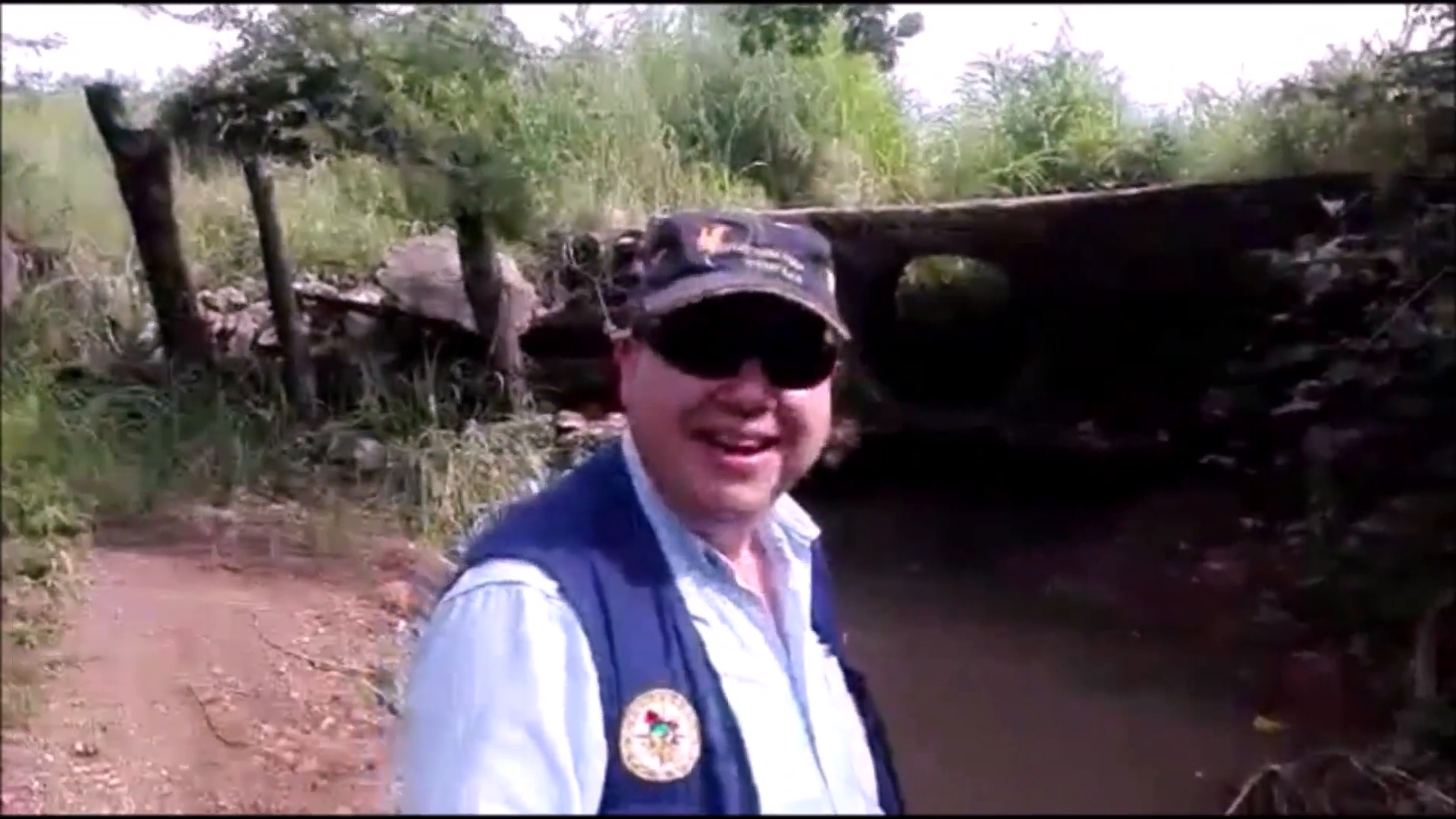
A practical example of this technique was demonstrated in the field with African Lion Resources. The process begins by identifying suitable sampling locations along riverbanks where heavy minerals tend to accumulate due to natural water flow dynamics.

Sampling with African Lion Resources

To collect a sample, geologists take a handful of sediment from the river and place it into a condom filled with water. The condom serves as a mixing vessel that allows for rapid separation of heavy minerals from lighter particles. By shaking the condom for a brief period, the heavier fractions settle at the bottom while lighter materials remain suspended.

This method not only speeds up the sampling process but also ensures that the sample collected is representative of the surrounding materials. After mixing, the heavy mineral concentrate can be easily extracted from the condom for further analysis.

Another Example of Taking a Sample in the Field with Micah Minerals Corp. ⛏️

Similarly, Micah Minerals Corp. employs this unusual sampling technique to enhance their exploration efforts. By utilizing the condom method, they can quickly obtain heavy mineral concentrates from various locations without the extensive time commitment associated with traditional panning methods.

Sampling with Micah Minerals Corp.

During fieldwork, geologists focus on areas where the river's current slows down, such as behind obstructions or in meandering sections. These spots are ideal for collecting heavy mineral concentrates, as they are more likely to contain valuable minerals that have settled from the water column.

After collecting the samples, the same process of mixing in the condom is applied, leading to quick and efficient separation of heavy minerals for further analysis.

How to Prepare a Sample in the Office 🏢

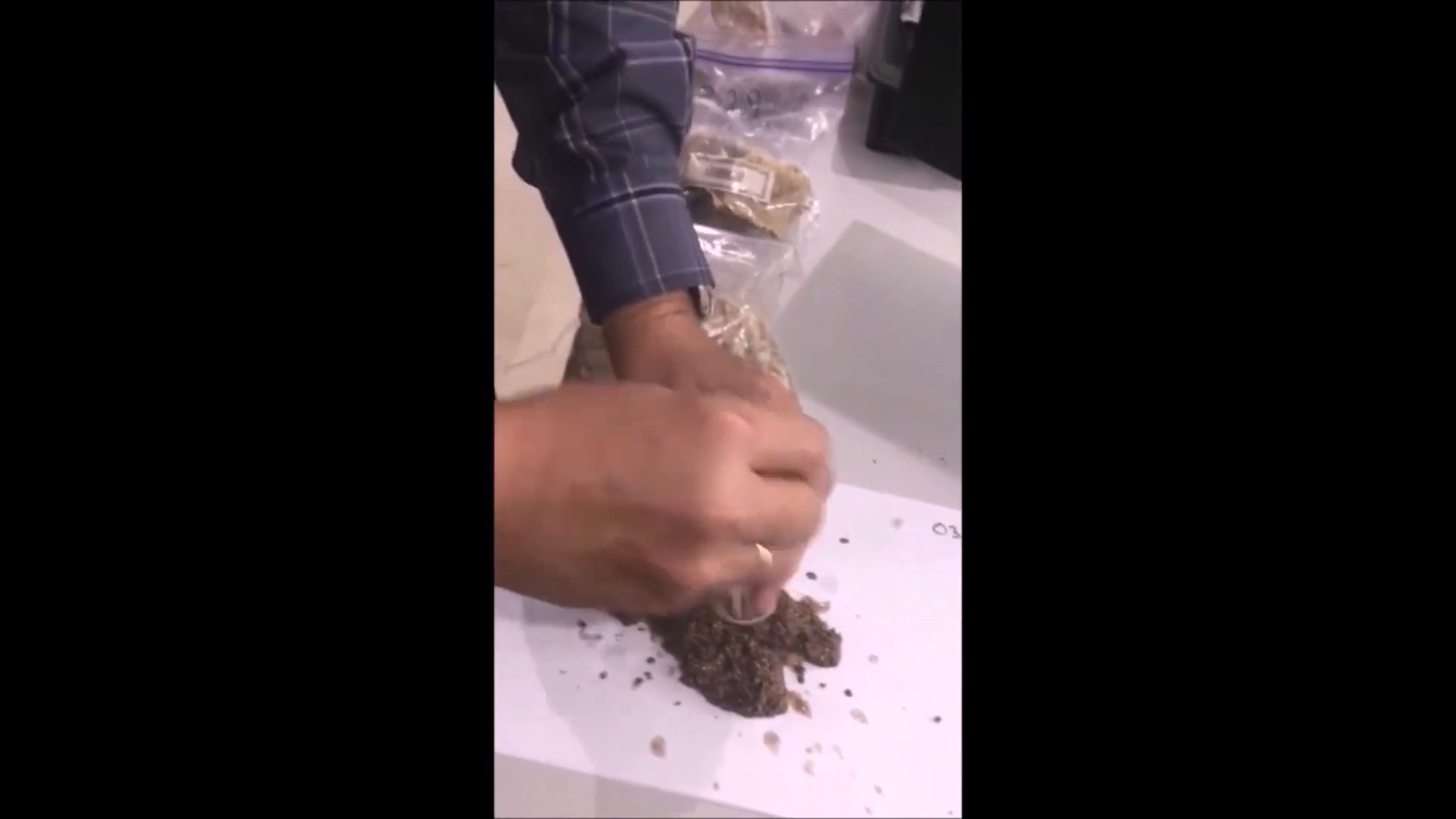
Once samples are collected, proper preparation is crucial for accurate analysis. In the office, geologists begin by weighing the sample and ensuring it is representative of the location from which it was taken. This step is vital to maintain the integrity of the analysis.

Sample preparation in the office

After weighing, the next step involves homogenizing the sample. This can be achieved using various methods, including mechanical mixing or manual techniques. The goal is to create a uniform sample that accurately reflects the original material.

Using a black binder is recommended to enhance visibility during analysis, especially if gold or other valuable minerals are present. Once the sample is prepared, geologists can use magnetic separators to isolate different fractions based on their magnetic properties.

How to Process the Sample in the Office ⚙️

Processing samples in the office involves several steps to separate heavy minerals from lighter ones effectively. First, geologists utilize magnetic separators to extract the magnetic fraction from the sample. This process can be done using specialized equipment or simple household magnets.

Processing samples in the office

Once the magnetic fraction is isolated, geologists can further analyze the heavy fraction using various techniques, including air separation methods. By blowing air through a straw, lighter materials can be removed while retaining heavier minerals, such as gold.

After processing, the remaining material is analyzed using optical methods, including light microscopy. This step allows geologists to study the mineral composition and assess the quality of the collected sample.

Using DinoLite Microscope at the Office to Study the Mineral Composition of Your Sample 🔬

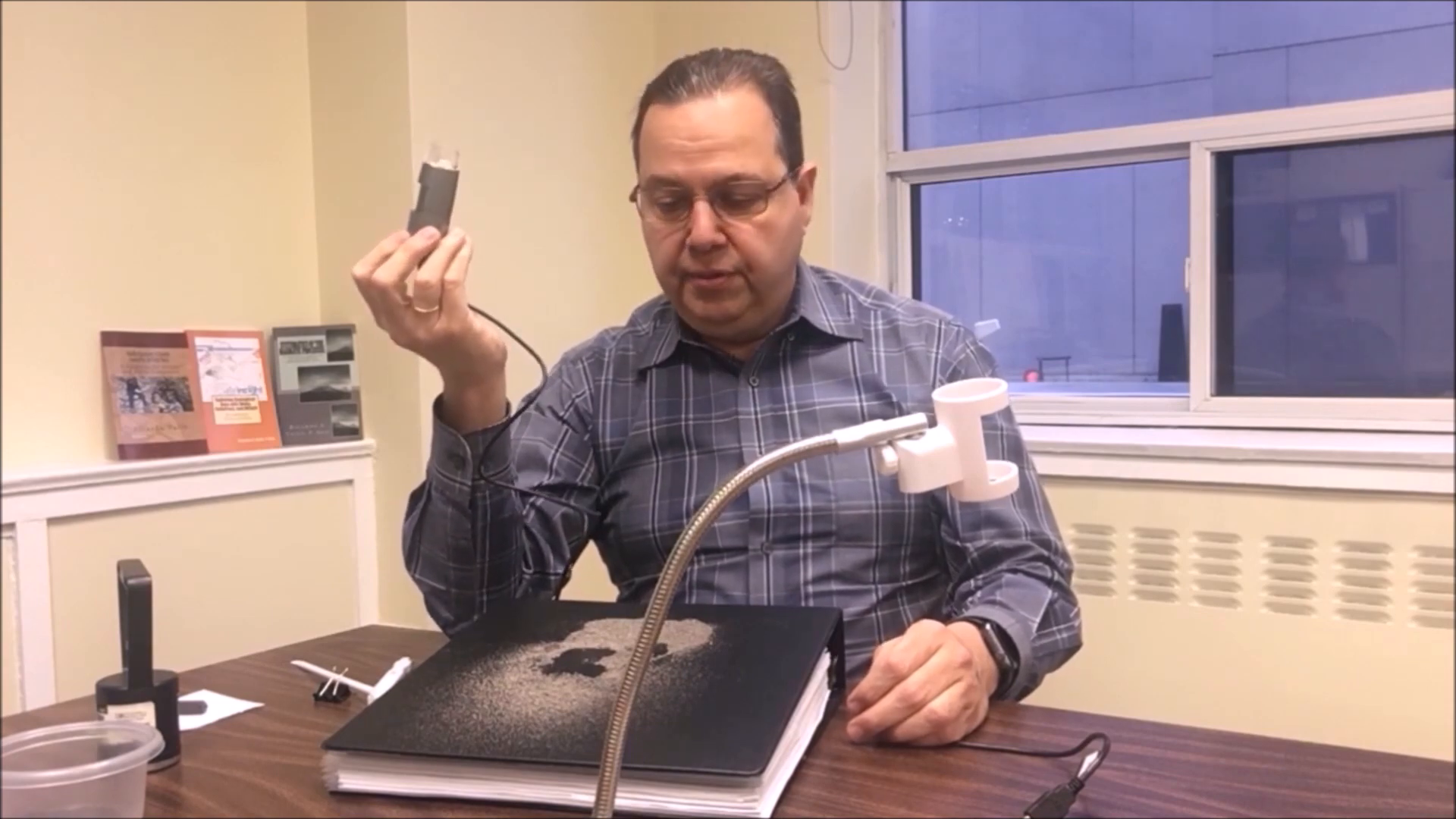
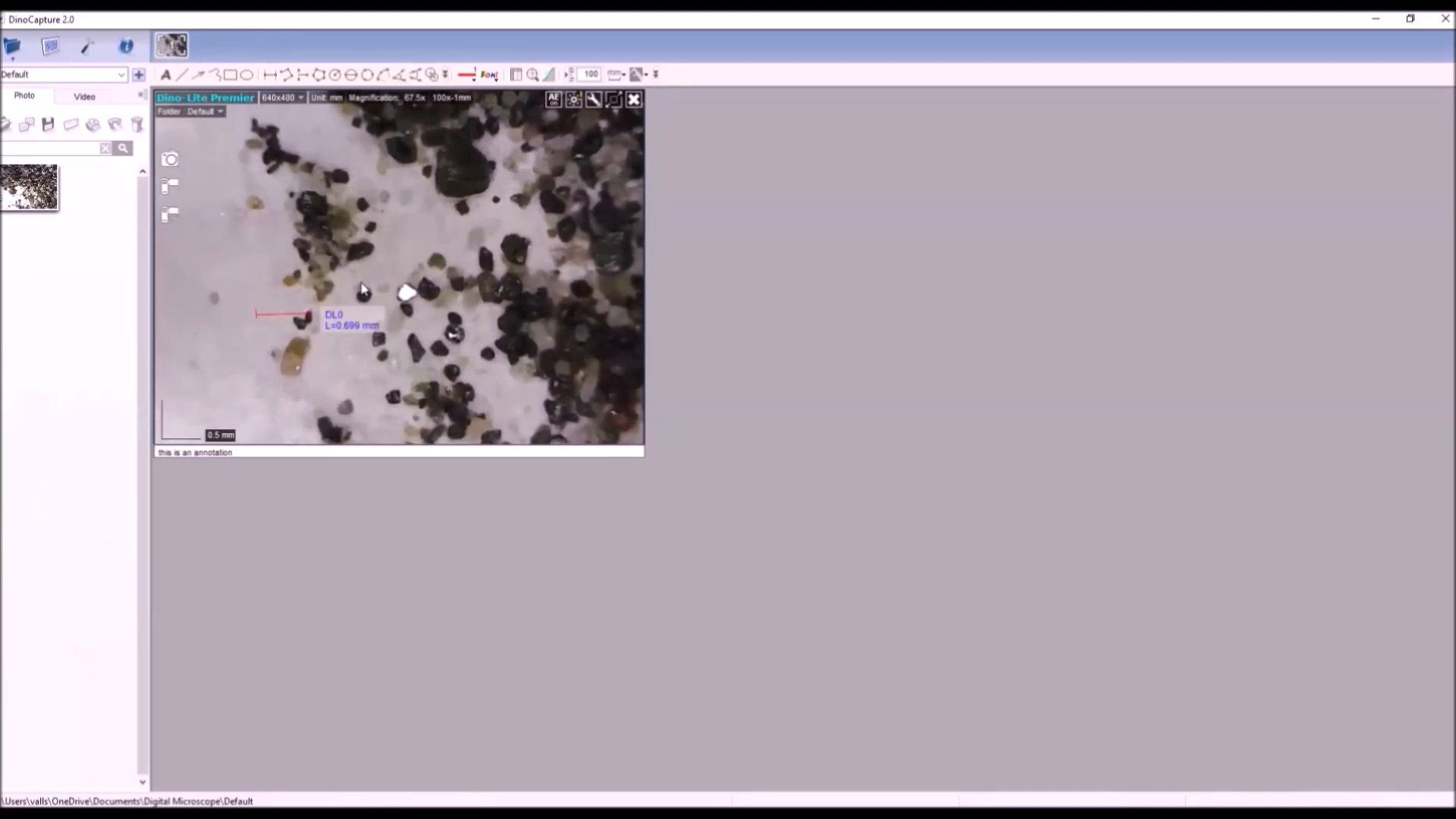
For an in-depth analysis of mineral composition, the DinoLite microscope proves to be an invaluable tool. This portable microscope connects to a computer and allows geologists to magnify samples up to 250 times, providing detailed images of mineral structures.

DinoLite microscope in use

The DinoLite microscope is particularly beneficial for studying polished and thin sections of samples. Its capabilities extend to measuring mineral sizes, taking photos, and even recording videos for documentation purposes.

Geologists can use the DinoLite microscope both in the field and in the office, making it a versatile tool for mineral analysis. The software accompanying the microscope enables users to annotate images, measure sizes, and export data for further research.

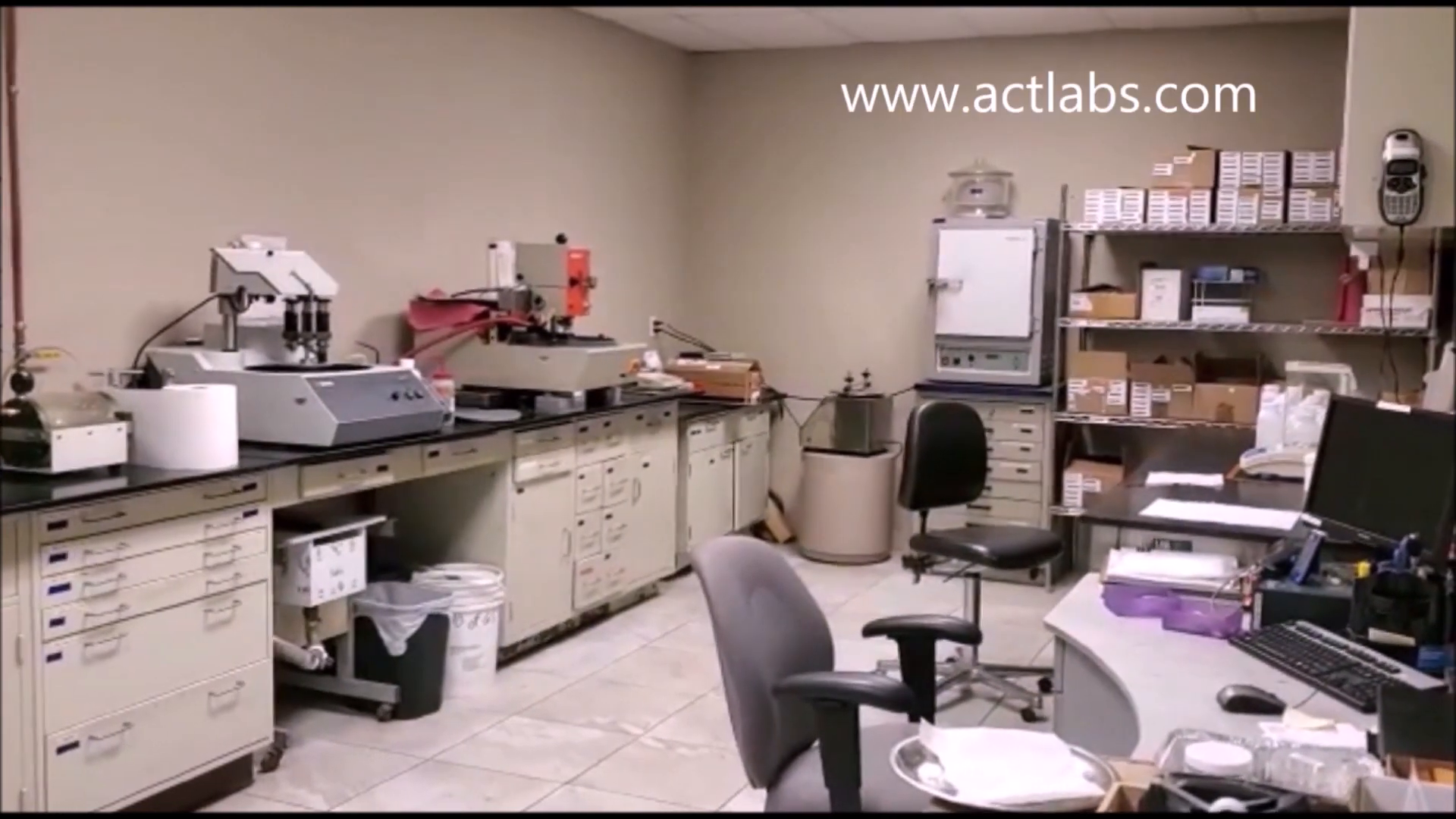
Mineralogical Services Provided by ACT Labs. Presented by Sergio Troncoso 🏭

ACT Labs offers a range of mineralogical services designed to support exploration and processing efforts. These services include mineral identification, quantification, and liberation analysis. Sergio Troncoso, a representative from ACT Labs, emphasizes the importance of proper sample preparation to ensure accurate results.

Sergio Troncoso presenting ACT Labs services

The laboratory utilizes advanced equipment to analyze samples, including automated mineralogy tools that provide detailed insights into mineral associations. These analyses help geologists understand the characteristics of their samples and make informed decisions regarding processing and extraction.

Mineralogical Services Provided by SGS Labs. Presented by Tassos Grammatikopoulos 🧪

SGS Labs, represented by Tassos Grammatikopoulos, also offers comprehensive mineralogical services. These services focus on automated mineralogy, utilizing advanced techniques to analyze mineral samples efficiently.

Tassos Grammatikopoulos presenting SGS Labs services

The laboratory employs automated scanning electron microscopes (SEM) to collect data on mineral compositions and distributions. This data is crucial for understanding mineral liberation and association, which directly impacts processing strategies.

By integrating mineralogical analysis with geochemical data, SGS Labs provides valuable insights that enhance exploration and processing efforts. Understanding the mineralogy is essential for optimizing recovery and ensuring the economic viability of mining projects.

FAQ ❓

Q: What is the significance of heavy mineral concentrates in exploration?

A: Heavy mineral concentrates play a crucial role in identifying rare elements and valuable minerals. They enhance the ability to detect anomalies in geochemical data, aiding exploration efforts.

Q: How does the condom method improve sampling efficiency?

A: The condom method allows for quick separation of heavy minerals from lighter materials, significantly reducing the time needed for traditional panning methods.

Q: What are the benefits of using a DinoLite microscope?

A: The DinoLite microscope provides high magnification, allowing for detailed analysis of mineral structures. It is portable and versatile, making it suitable for both field and office use.

Q: What services do ACT Labs and SGS Labs offer?

A: Both ACT Labs and SGS Labs provide mineralogical analysis services, including mineral identification, quantification, and liberation analysis. They utilize advanced technologies to support exploration and processing efforts.

In conclusion, unconventional sampling techniques like using a condom for heavy mineral concentrates can revolutionize mineral exploration. By enhancing efficiency and accuracy, these methods allow geologists to make informed decisions and optimize recovery processes.

P. Geo. Ricardo A Valls, M. Sc.

Valls Geoconsultant

ORCID ID- https://orcid.org/0000-0002-5421-0914

Scopus Author ID: 7003369619/35335510700

ResearcherID: S-6604-2018

If you like this content, please "buy me a coffee" https://www.buymeacoffee.com/goldendroplets

#planetearth #geology #mining #exploration #education #earthscience #geologia #earthscienceteacher #cienciasnaturales #cienciasgeologicas #geochemistry #geochemistrybooks #geoquimica #trainingcourses #teachingonline #vallsgeoconsultant #vallsvg #technotectonics #goldendroplets #geovoices

Made with VideoToBlog
Wednesday, August 21, 2024

Exploring Unusual Techniques in Geology: The Role of Drones 🚀

In the field of geology, innovative exploration techniques can significantly enhance data collection and analysis. One such technique gaining traction is the use of drones. This blog delves into how drones can be utilized in geological surveys, making them an invaluable tool for professionals in the field.

Introduction to Drones in Geology 🌍

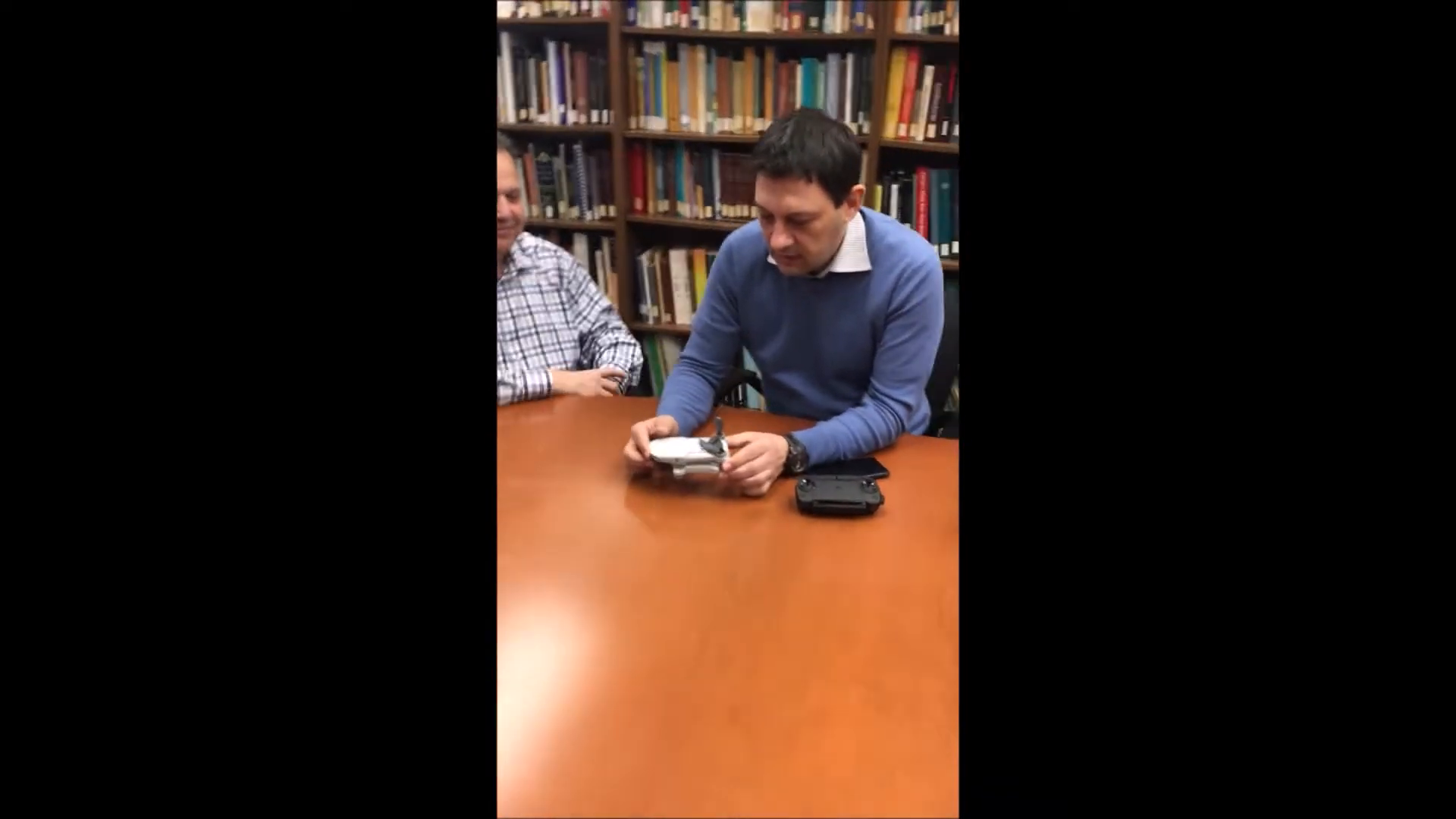
Drones, often perceived as mere toys or recreational gadgets, have evolved into essential tools for geologists. Their compact size and advanced technology allow for efficient data gathering in areas that may be difficult to access physically. In this section, we will explore the various applications of drones and how they are changing the landscape of geological exploration.

Introduction to drones in geology

The Benefits of Using Drones 📈

Drones offer numerous advantages for geological surveys, including:

  • Access to Remote Areas: Drones can easily reach locations that are challenging for humans to access, such as steep cliffs or areas separated by bodies of water.
  • High-Quality Data Collection: Equipped with high-resolution cameras and sensors, drones can capture detailed images and data essential for analysis.
  • Cost-Effectiveness: Utilizing drones can reduce the costs associated with traditional survey methods, such as hiring helicopters or ground crews.
  • Real-Time Data Transmission: Drones can transmit data in real-time, allowing for immediate analysis and decision-making.

With these benefits, it's no wonder that the adoption of drones in geological exploration is on the rise.

Understanding Drone Technology 🛩️

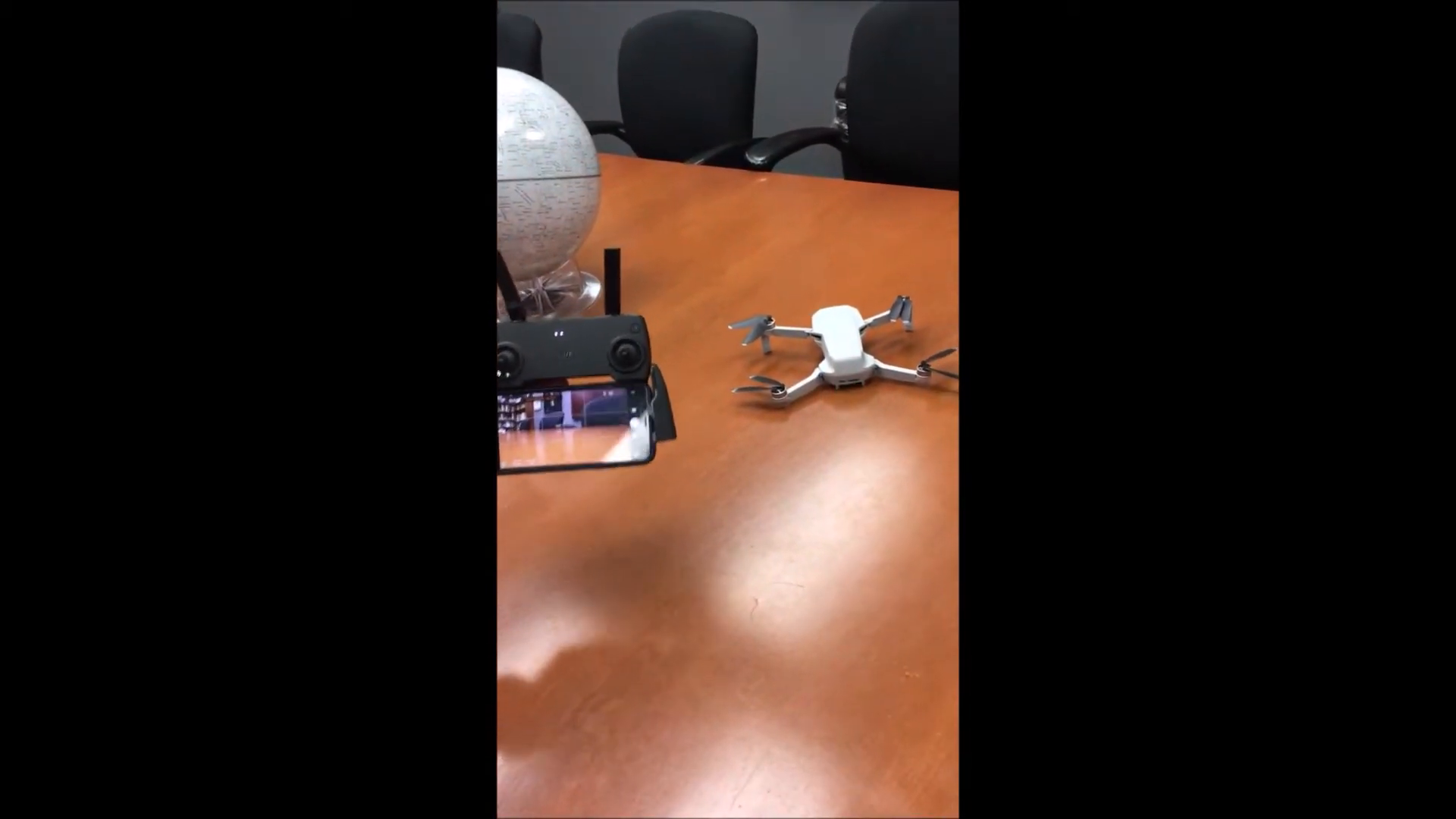
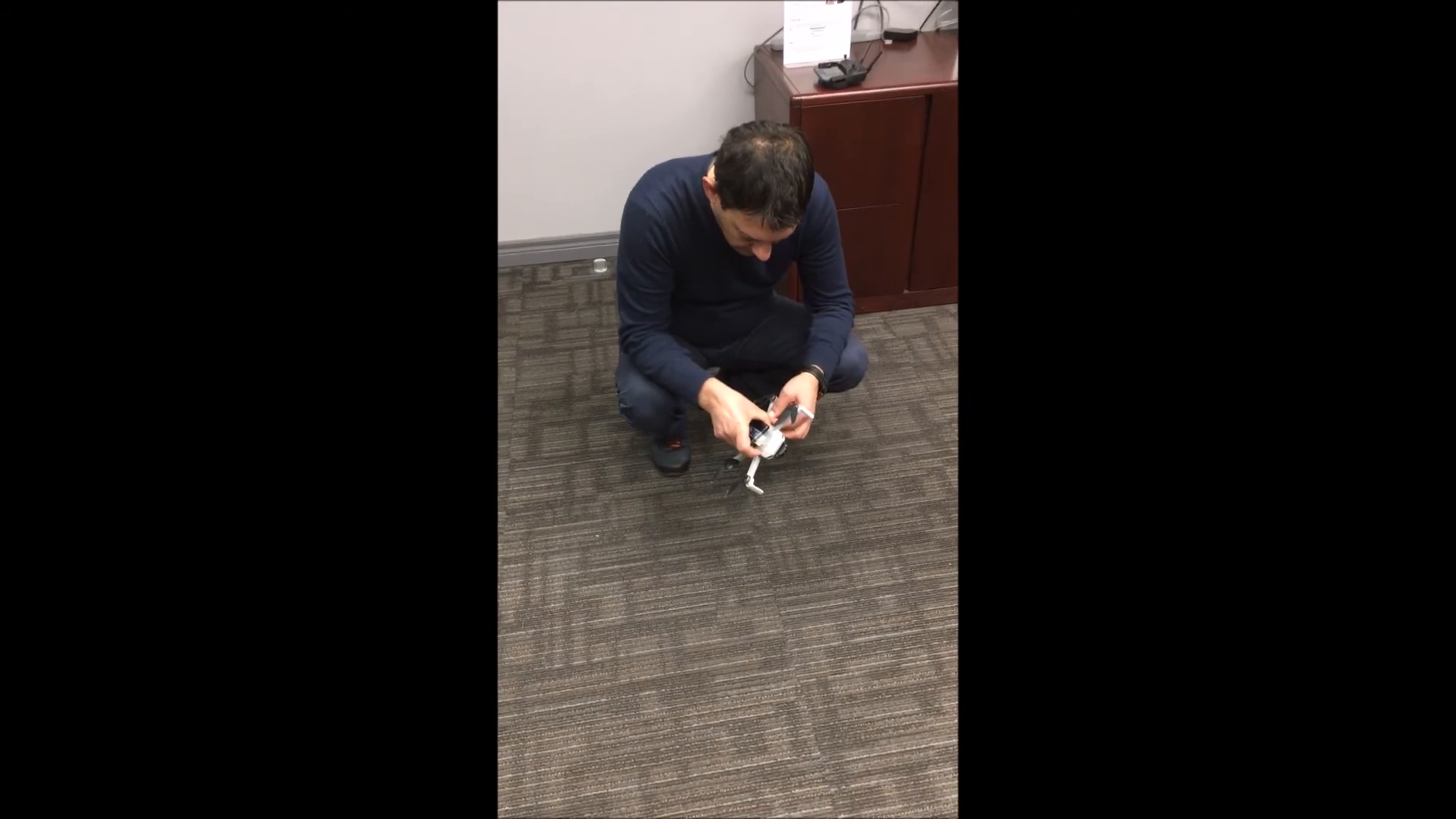
To appreciate how drones can be integrated into geological work, it's essential to understand the technology behind them. In this section, we will discuss the specifications and capabilities of modern drones, particularly focusing on the DJI Mini, a popular choice among geologists.

Understanding drone technology

Key Features of the DJI Mini 📊

The DJI Mini is a compact drone weighing just 249 grams, making it exempt from licensing requirements in many regions. Its features include:

  • Flight Speed: Capable of flying at speeds of up to 40 km/h.
  • Maximum Elevation: Can reach heights of up to 500 meters.
  • Flight Time: Offers approximately 30 minutes of flight time per charge.
  • Range: Can operate within a range of 1.5 to 2 kilometers.

The combination of these features makes the DJI Mini an ideal choice for geological surveys, providing flexibility and efficiency in data collection.

Applications of Drones in Geological Surveys 🔍

Drones have a wide array of applications in geology, enhancing traditional methods and introducing innovative approaches. Here are some notable uses:

Applications of drones in geological surveys

Topographic Mapping 🗺️

One of the primary applications of drones is creating detailed topographic maps. By capturing aerial images and using photogrammetry software, geologists can generate accurate 3D models of terrain. This is particularly useful in:

  • Identifying geological formations.
  • Assessing land use and planning.
  • Monitoring changes in the landscape over time.

Geophysical Surveys 📉

Drones can also be integrated with geophysical sensors, such as magnetometers, to conduct surveys. This enables geologists to:

  • Measure variations in the Earth's magnetic field.
  • Identify potential mineral deposits.
  • Assess subsurface structures without invasive drilling.

By combining drone technology with geophysical tools, geologists can gather extensive data quickly and safely.

Combining Drones with Mobile Technology 📱

The integration of drones with mobile technology enhances their functionality. By using smartphones equipped with specific applications, geologists can collect and analyze data efficiently. This section will explore how mobile apps can be utilized alongside drones.

Combining drones with mobile technology

Using Mobile Apps for Geophysical Surveys 📊

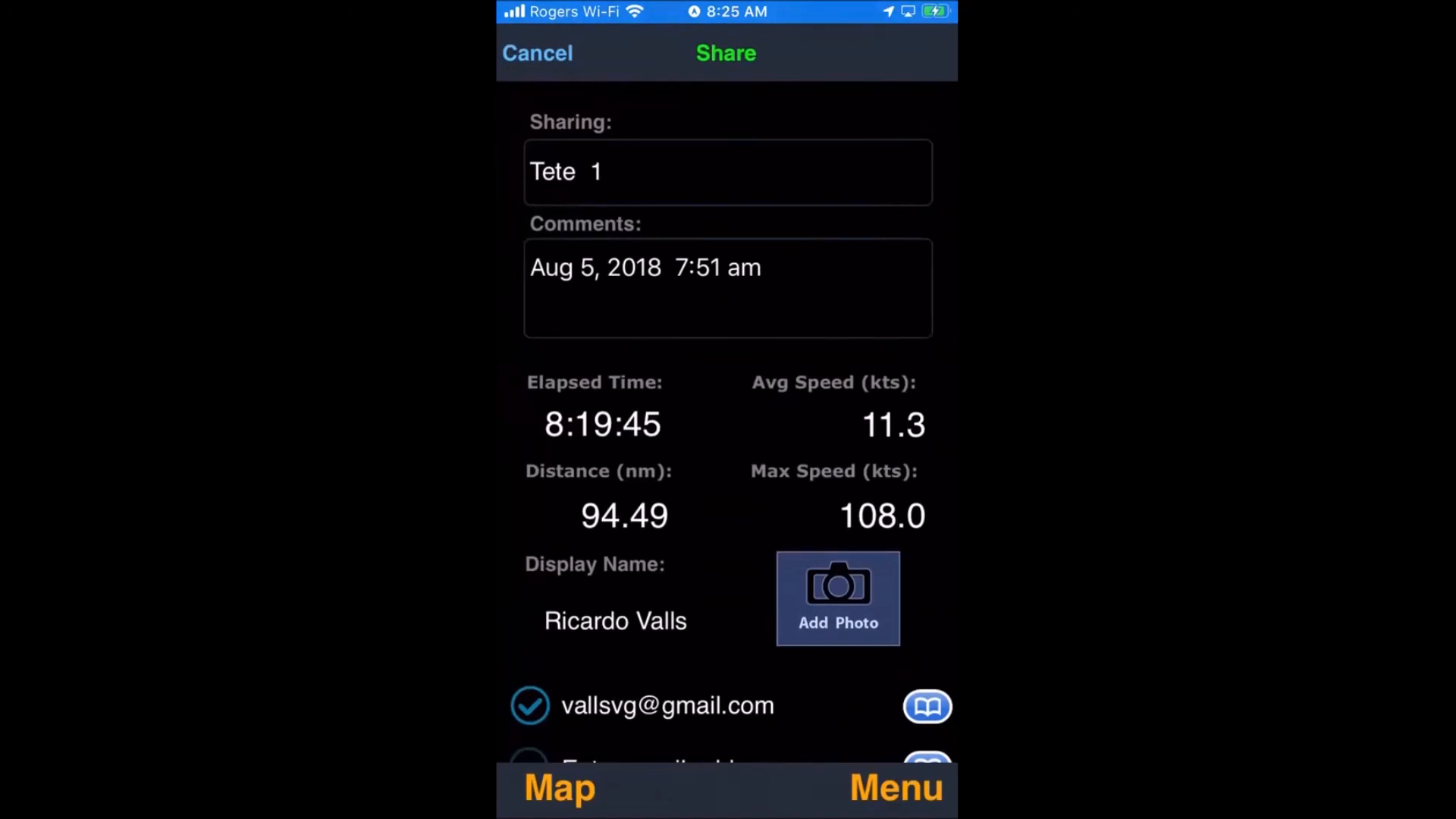
Geologists can connect their smartphones to drones to gather geophysical data while flying. For instance, using an application like a Tesla meter allows for real-time monitoring of magnetic fields. This integration enables:

  • Simultaneous data collection from multiple sources.
  • Immediate analysis of results on-site.
  • Efficient data management through exportable formats, such as CSV files.

This synergy between drones and mobile applications streamlines the survey process, making it easier to compile and analyze data.

Data Analysis and Visualization 📊

After collecting data, the next step involves analysis and visualization. Drones can capture thousands of data points during a flight, which can be processed to create comprehensive visual representations. This section discusses how geologists can analyze drone data effectively.

Data analysis and visualization

Creating Maps and Models 🗺️

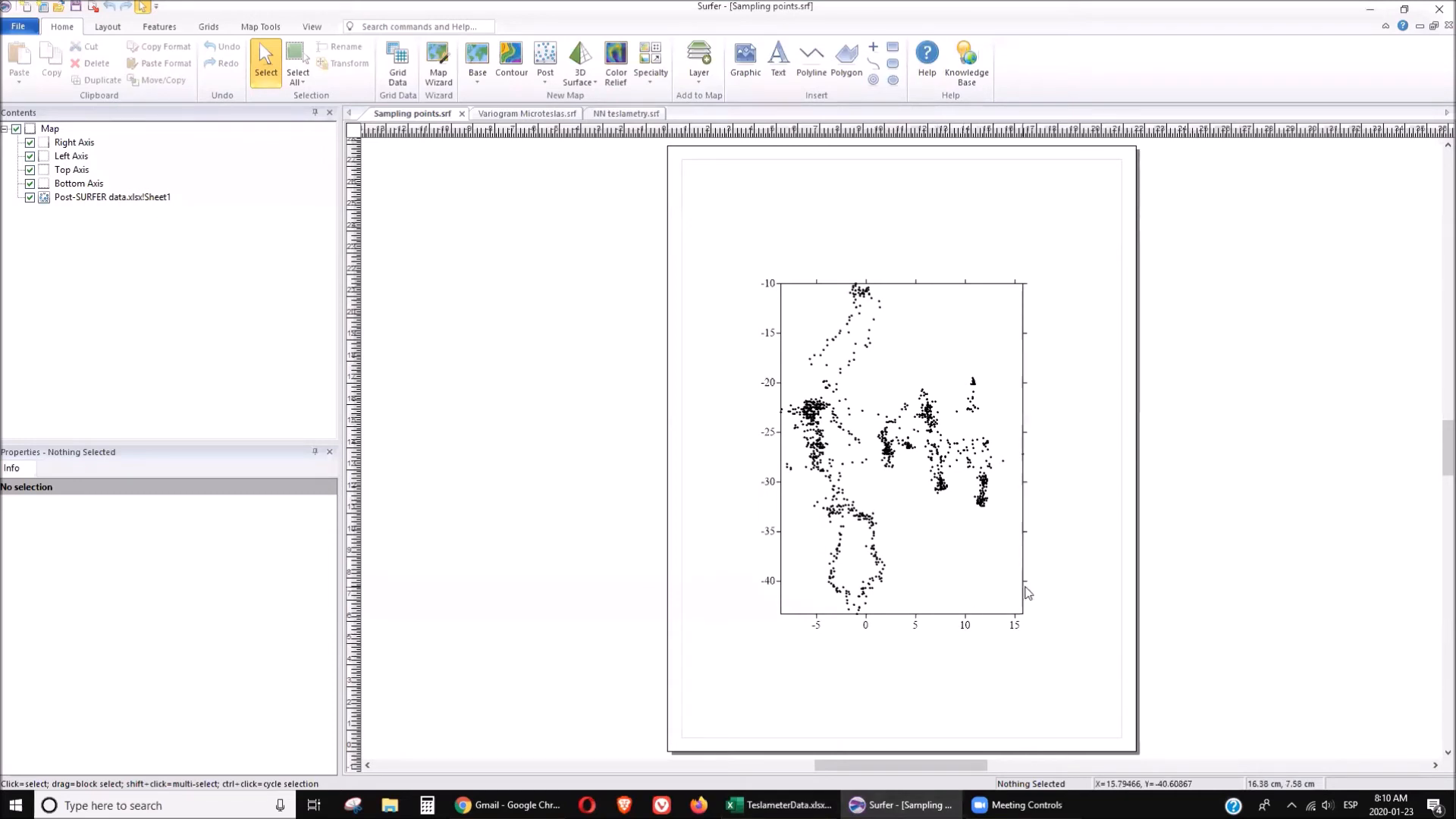
Using software like Surfer, geologists can transform raw data from drones into informative maps and models. This process involves:

  • Importing data into mapping software.
  • Applying interpolation methods to create smooth surfaces.
  • Exporting visualizations for reports or presentations.

These visual representations are critical for understanding geological features and informing decision-making.

Challenges and Considerations ⚠️

While drones offer remarkable advantages, there are challenges to consider. Geologists must navigate regulatory requirements, technical limitations, and environmental factors that can affect drone performance. This section outlines some of these challenges.

Challenges and considerations

Regulatory Compliance 📜

In many regions, drone operations are subject to regulations that mandate licensing, safety protocols, and airspace restrictions. Geologists must ensure compliance with local laws to operate drones legally and safely.

Technical Limitations ⚙️

Despite their capabilities, drones have limitations, such as:

  • Battery life constraints, which can limit the duration of surveys.
  • Weather conditions that may hinder flight safety.
  • Signal interference in remote areas that could affect data transmission.

Addressing these challenges is crucial for successful drone operations in geological exploration.

Conclusion: The Future of Drones in Geology 🌟

As technology continues to evolve, the role of drones in geological exploration is expected to expand. By combining advanced drone capabilities with mobile technology, geologists can enhance data collection and analysis, ultimately leading to more informed decisions in the field.

For more insights on the intersection of geology and technology, consider checking out Golden Droplets - YouTube, a platform that bridges the gap between academia and industry for aspiring and seasoned geologists alike.

FAQs 🤔

What types of drones are best for geological surveys?

The DJI Mini and similar models are popular due to their lightweight design, affordability, and advanced features suitable for geological applications.

How do drones improve data collection in geology?

Drones can access hard-to-reach areas, capture high-resolution images, and gather geophysical data quickly and efficiently, enhancing the overall data collection process.

Are there any regulations regarding drone use in geology?

Yes, regulations vary by region, and operators must comply with local laws regarding licensing, safety protocols, and airspace restrictions.

Can drones be used for other applications besides geology?

Absolutely! Drones are utilized in various fields, including agriculture, environmental monitoring, construction, and disaster management.

How can I learn more about using drones in geological surveys?

Consider joining professional organizations, attending workshops, or exploring online resources to gain knowledge about drone technology and its applications in geology. You can also check out ORCID for research publications and resources.

P. Geo. Ricardo A Valls, M. Sc.

Valls Geoconsultant

ORCID ID- https://orcid.org/0000-0002-5421-0914

Scopus Author ID: 7003369619/35335510700

ResearcherID: S-6604-2018

If you like this content, please "buy me a coffee" https://www.buymeacoffee.com/goldendroplets

#planetearth #geology #mining #exploration #education #earthscience #geologia #earthscienceteacher #cienciasnaturales #cienciasgeologicas #geochemistry #geochemistrybooks #geoquimica #trainingcourses #teachingonline #vallsgeoconsultant #vallsvg #technotectonics #goldendroplets #geovoices

Made with VideoToBlog
Tuesday, August 20, 2024

https://youtu.be/dkP3w-OmYrA

P. Geo. Ricardo A Valls, M. Sc. and Geo Gadfly Valls Geoconsultant ORCID ID- https://orcid.org/0000-0002-5421-0914 Scopus Author ID: 7003369619/35335510700 ResearcherID: S-6604-2018 If you like this content, please "buy me a coffee" https://www.buymeacoffee.com/goldendroplets

Monday, August 19, 2024

https://youtu.be/uY-ce8SUeLU

P. Geo. Ricardo A Valls, M. Sc. and Geo Gadfly Valls Geoconsultant ORCID ID- https://orcid.org/0000-0002-5421-0914 Scopus Author ID: 7003369619/35335510700 ResearcherID: S-6604-2018 If you like this content, please "buy me a coffee" https://www.buymeacoffee.com/goldendroplets

https://youtu.be/o6s4QV1Xkkw

P. Geo. Ricardo A Valls, M. Sc. and Geo Gadfly Valls Geoconsultant ORCID ID- https://orcid.org/0000-0002-5421-0914 Scopus Author ID: 7003369619/35335510700 ResearcherID: S-6604-2018 If you like this content, please "buy me a coffee" https://www.buymeacoffee.com/goldendroplets

https://youtu.be/tSeUOjo7gCk

P. Geo. Ricardo A Valls, M. Sc. and Geo Gadfly Valls Geoconsultant ORCID ID- https://orcid.org/0000-0002-5421-0914 Scopus Author ID: 7003369619/35335510700 ResearcherID: S-6604-2018 If you like this content, please "buy me a coffee" https://www.buymeacoffee.com/goldendroplets

Smart Applications for Your Smartphone: Enhance Your Productivity with Pomodoro, Password Management, Time Zone Tracking, Translation, and Photography 📱

In today's fast-paced world, having the right applications on your smartphone can significantly enhance productivity and simplify daily tasks. This blog explores a variety of smart applications that are not only beneficial for professionals but also for personal use. We will delve into categories such as personal applications, weather, photography, note-taking, mind mapping, utilities, accounting, and printing. Additionally, we will highlight the importance of tools like the Pomodoro technique, password management, time zone awareness, translation tools, and photography apps. Let's dive in!

Intro 🌟

The digital landscape is filled with applications designed to make our lives easier. Whether you're looking to manage your time more effectively, translate languages on the go, or capture stunning photographs, there's an app for that. By leveraging the right tools, you can streamline your workflow and enhance your productivity. In this section, we will briefly touch on the categories of applications that can help you achieve just that.

Personal Applications 🧑‍💼

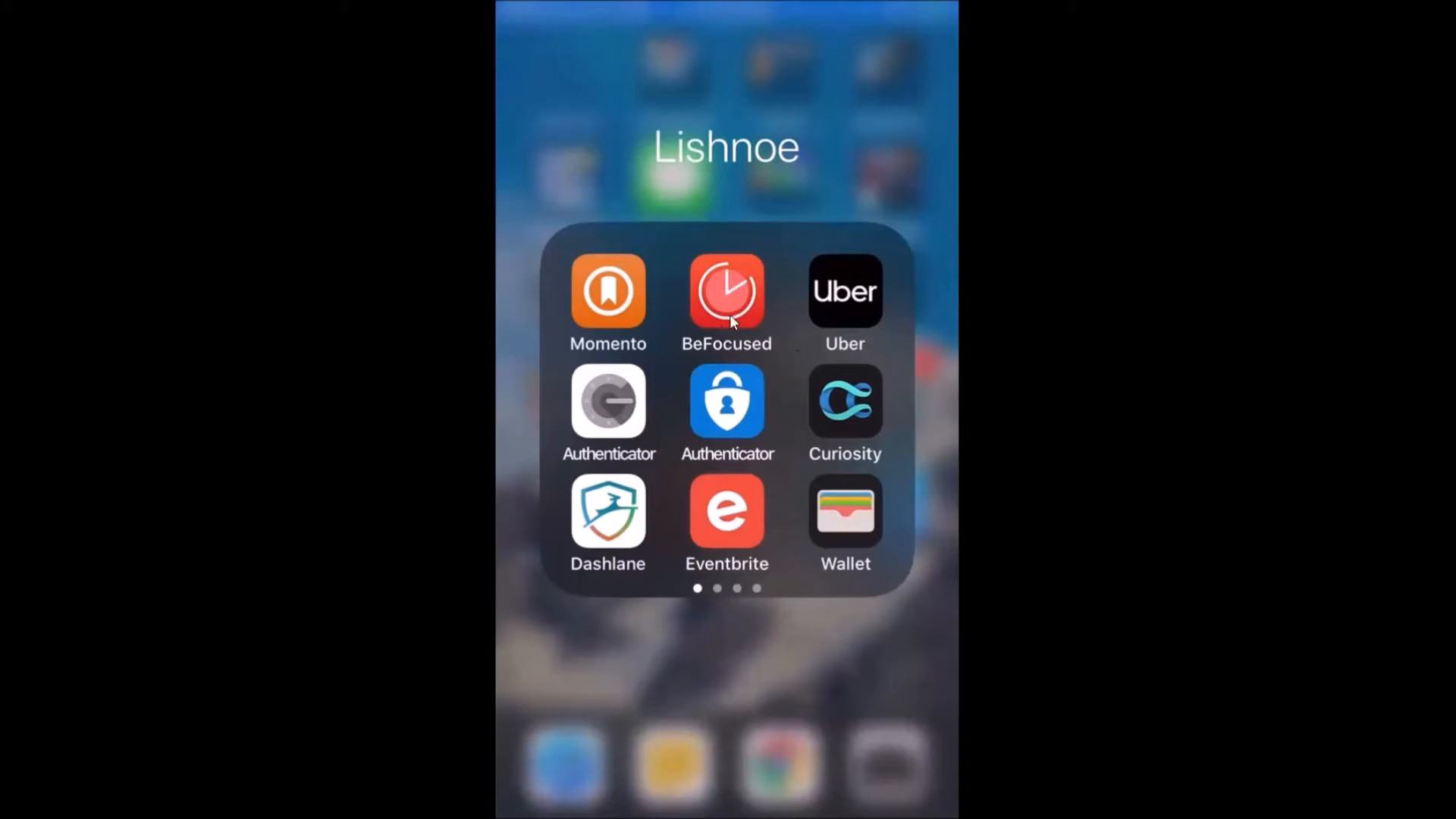
When it comes to personal productivity, two applications stand out: Be Focused and Dashlane. The Pomodoro technique, implemented through Be Focused, helps you work in concentrated bursts, enhancing focus and efficiency.

Be Focused Pomodoro Timer

With Be Focused, you can customize your work intervals, typically working for 25 minutes followed by a 5-minute break. After four cycles, you can take a longer break of up to 50 minutes. This method not only keeps you on task but also prevents burnout by allowing for regular breaks.

Dashlane Password Manager

On the other hand, Dashlane is a password management tool that allows you to store all your passwords securely. With just one master password, you can access a vault of strong, unique passwords for your various accounts. This enhances security and simplifies your online activities.

Weather ☁️

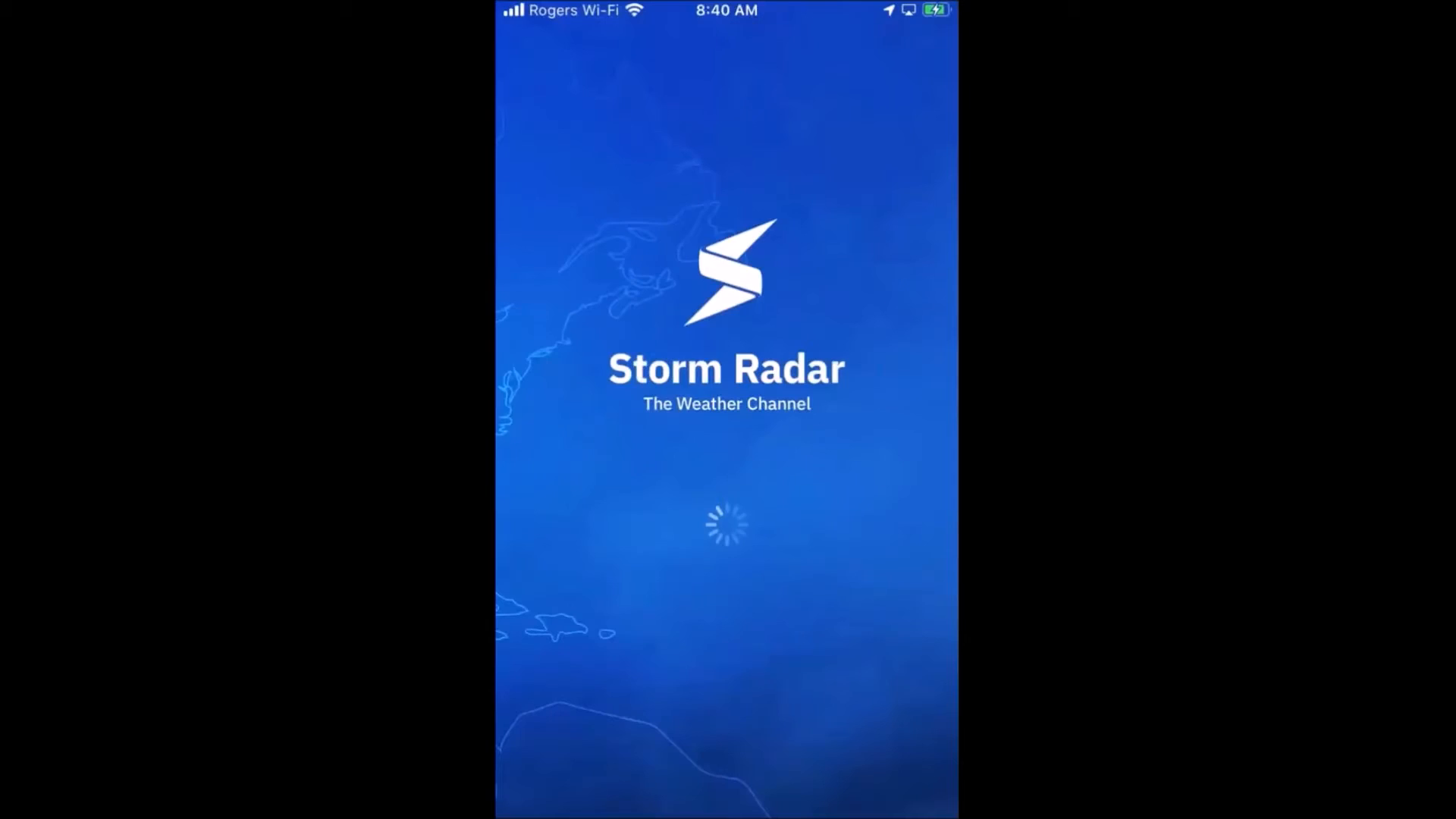
Staying informed about the weather is crucial, especially if you travel frequently or work outdoors. Storm Radar is an exceptional application that provides real-time weather updates, including severe weather alerts and radar images.

Storm Radar Weather App

With Storm Radar, you can track precipitation, temperature changes, and weather patterns. It offers a comprehensive view of upcoming weather conditions, allowing you to plan your day effectively and avoid unexpected disruptions.

Photography 📸

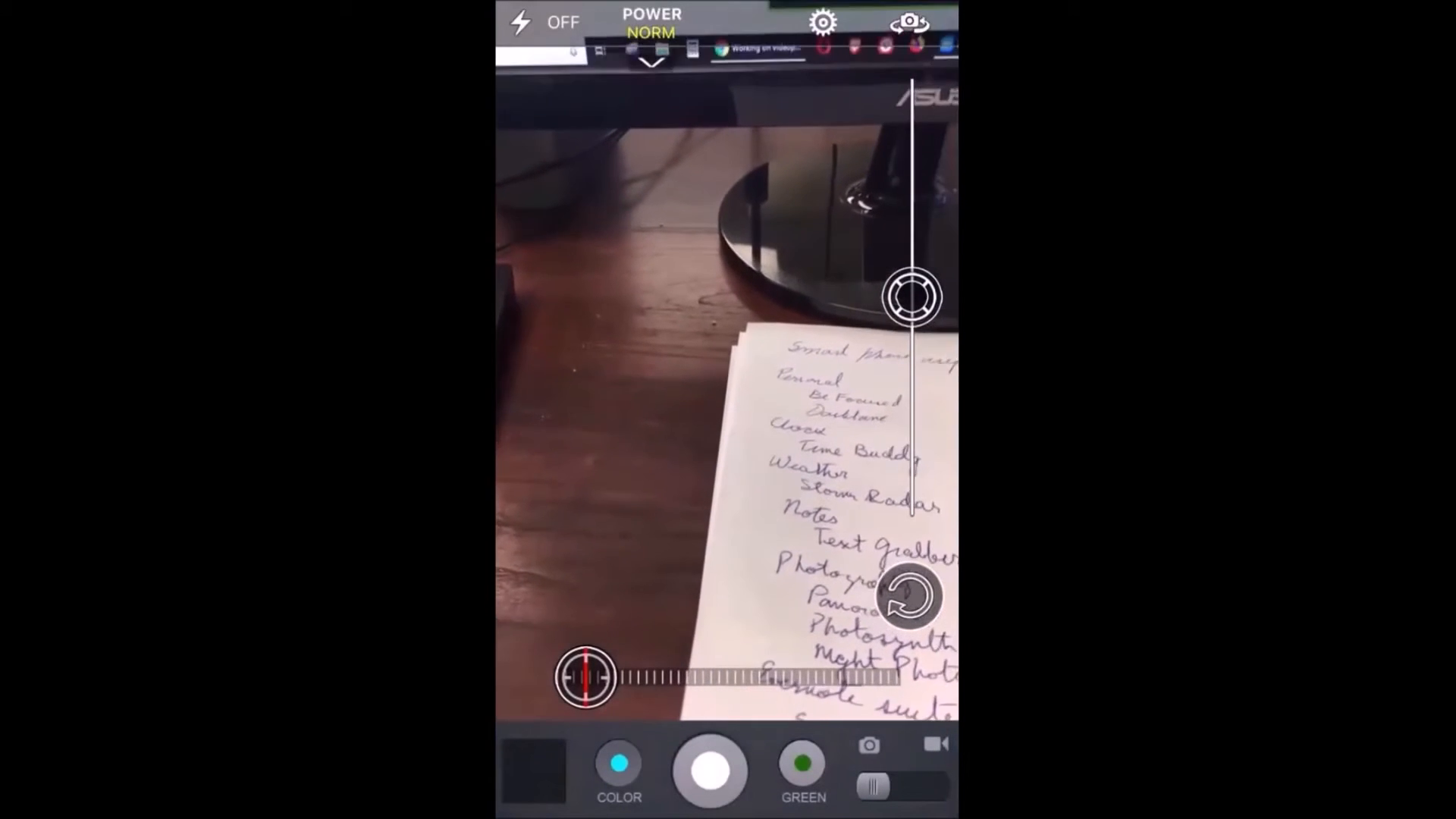
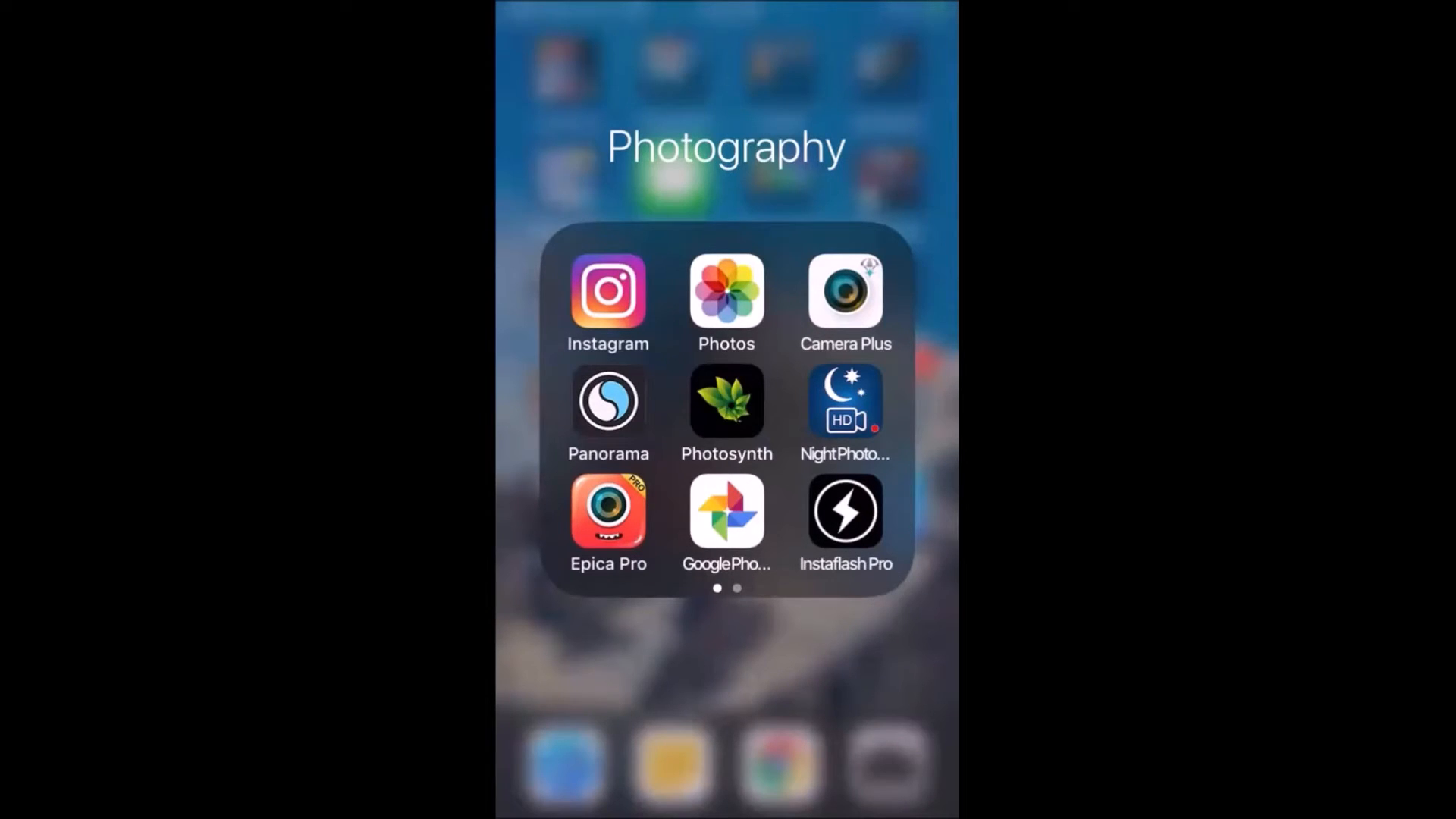
Photography enthusiasts will appreciate the variety of applications available to enhance their skills. Three notable apps are Night Photos, Panorama, and Photosynth, each serving a unique purpose in capturing images.

Night Photos App

Night Photos is designed for low-light conditions, allowing you to capture stunning images even in the dark. You can adjust various settings to ensure the best possible shot.

Panorama App

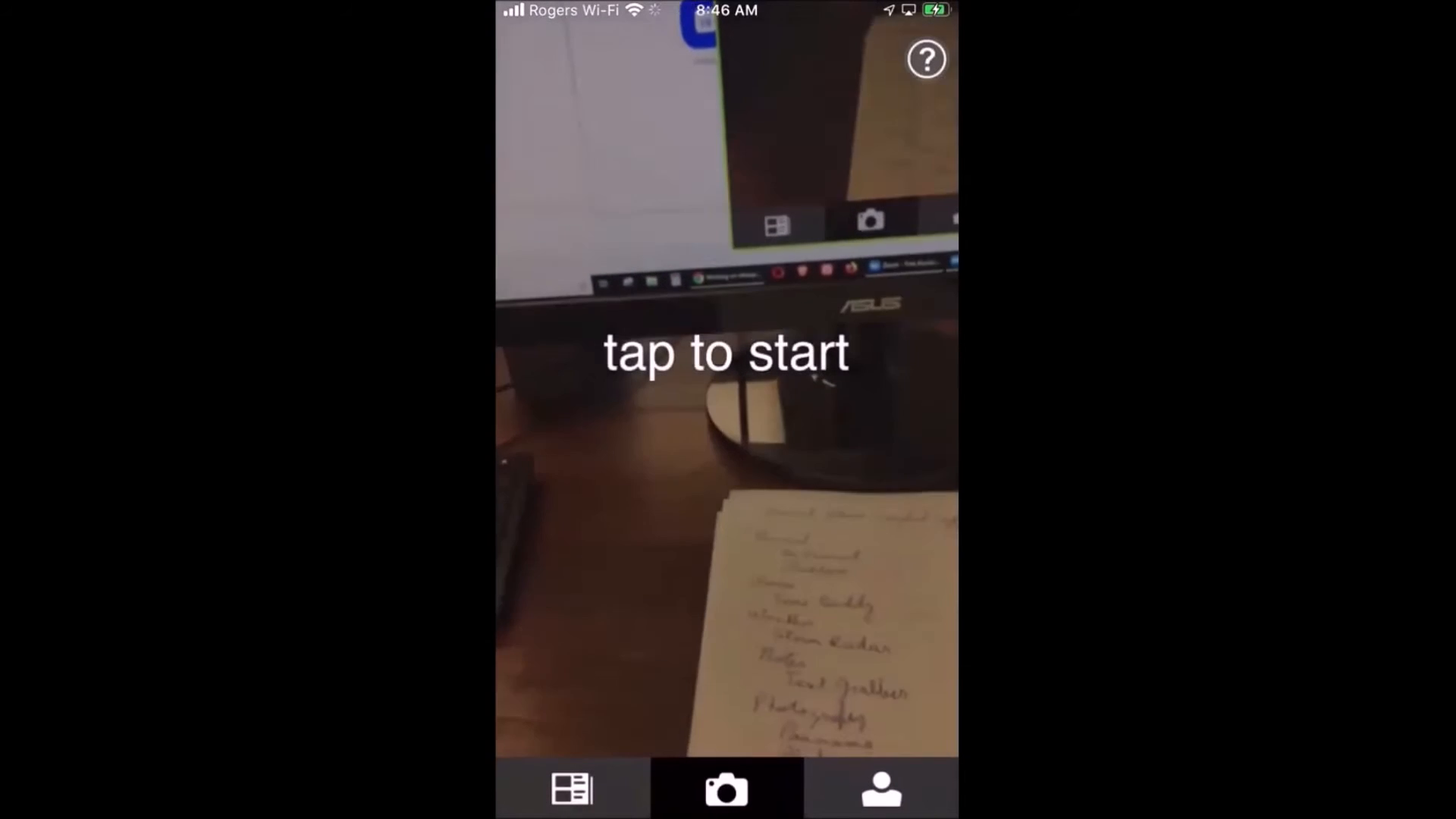
Panorama allows you to create sweeping landscape shots by capturing a series of images that are stitched together into one panoramic view. This app is perfect for capturing breathtaking vistas or large group photos.

Photosynth App

Photosynth, on the other hand, enables you to take 3D photos by moving your camera in different directions. This app provides a unique way to share experiences and locations with others.

Evernote Suite 📝

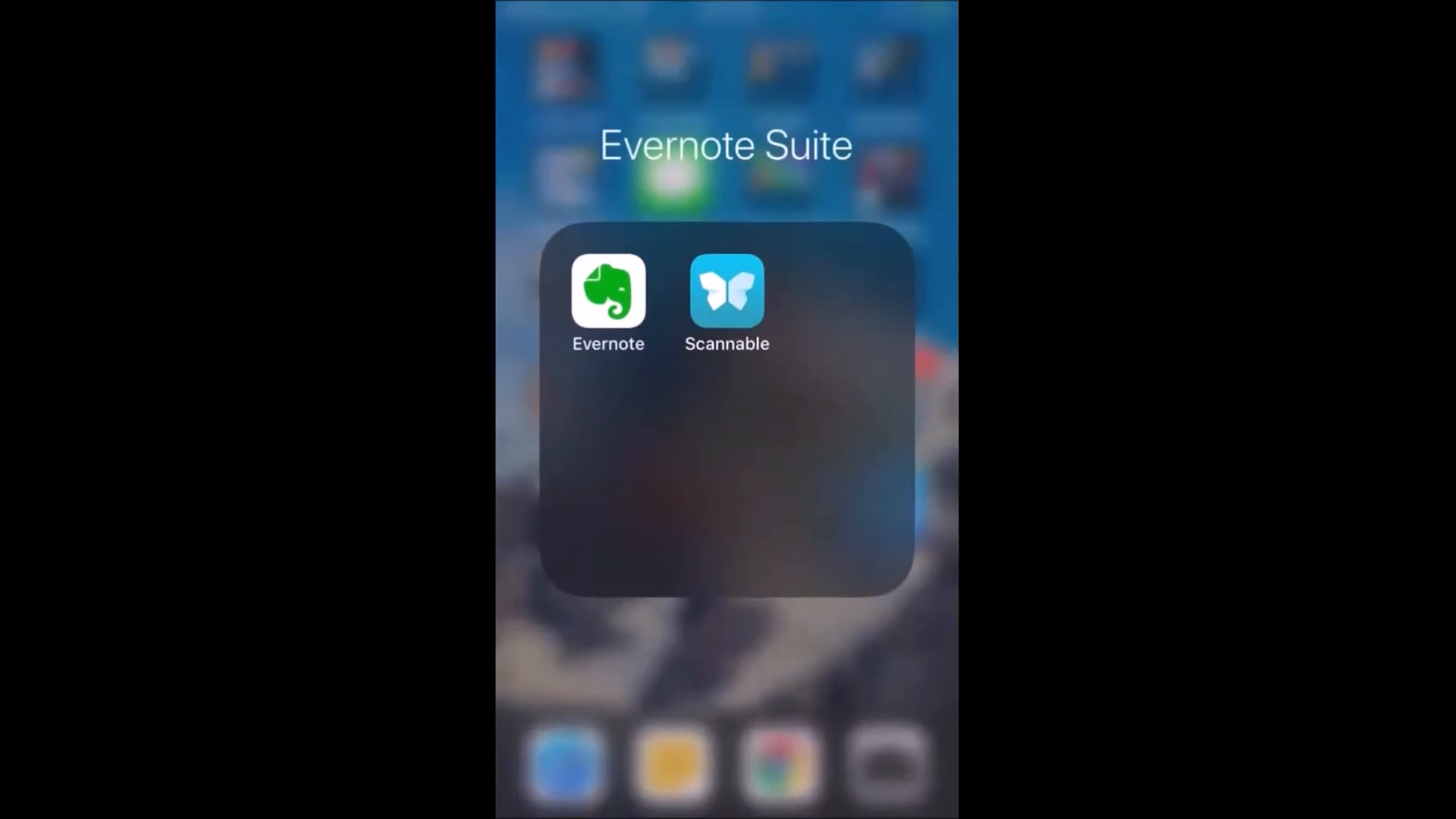
Evernote is a powerful note-taking application that integrates various features to enhance productivity. One of its standout features is the ability to scan business cards, automatically adding contacts to your list and checking their LinkedIn profiles.

Evernote Business Card Scanner

This automatic synchronization across devices ensures you have access to your notes and contacts wherever you are. Evernote's versatility makes it an essential tool for professionals who need to keep their information organized.

Mind Maps 🗺️

Mind mapping is an effective way to brainstorm and organize thoughts. MindMeister is an excellent application for creating visual mind maps that can also be used for presentations.

MindMeister Mind Mapping Tool

This application allows you to structure your ideas logically and visually, making it easier to convey complex concepts during discussions or meetings.

Utilities ⚙️

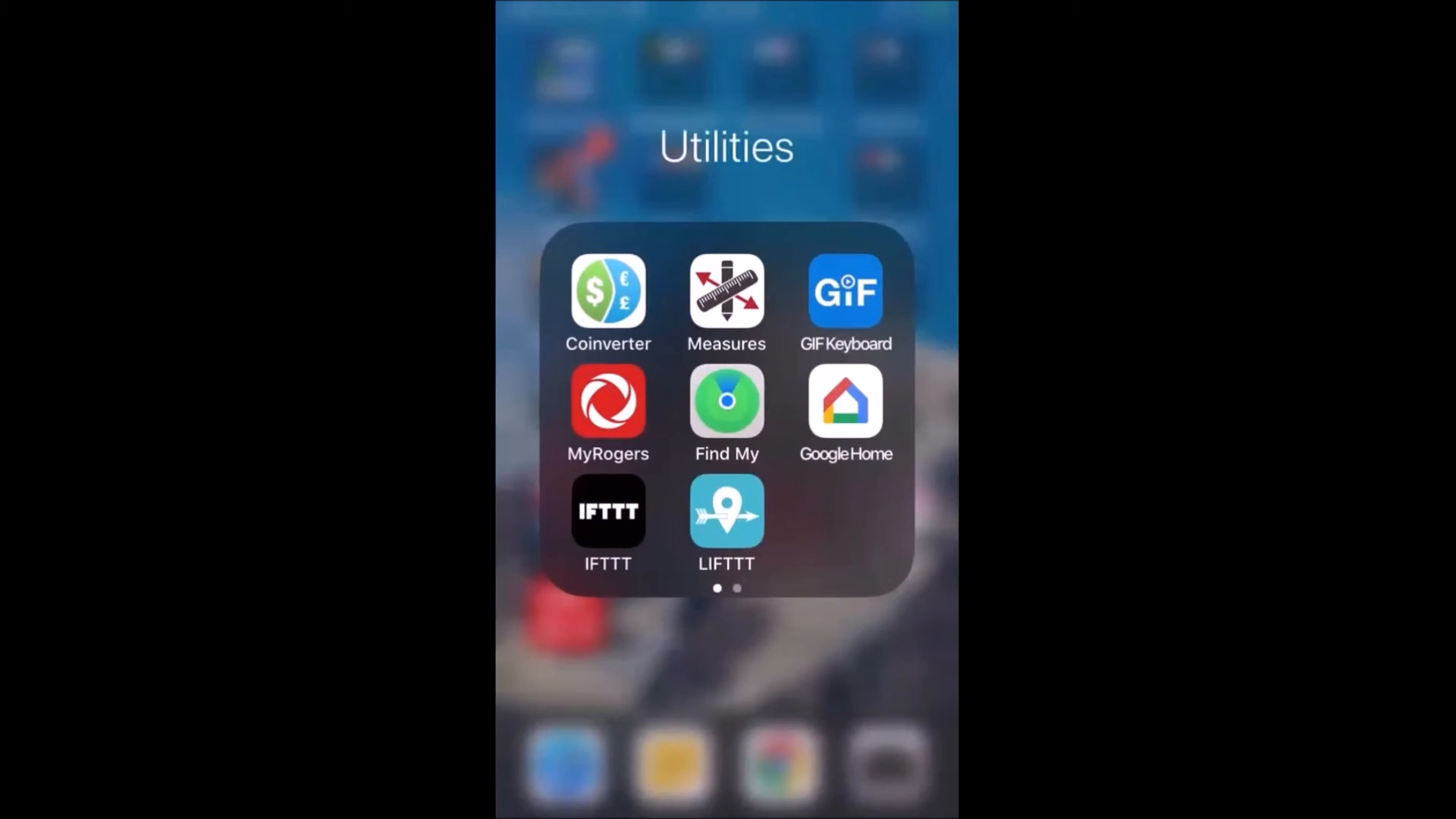
Utilities play a crucial role in enhancing functionality on your smartphone. Three noteworthy applications include Coinverter, Measures, and Find My.

Coinverter App

Coinverter is invaluable for travelers, providing real-time currency conversion to help you understand costs in different currencies. Measures allows you to determine lengths and heights through your phone's camera, adding a practical tool for everyday use.

Measures App

Find My helps you locate your devices or share your location with others, ensuring safety and convenience in various situations.

Accounting 💰

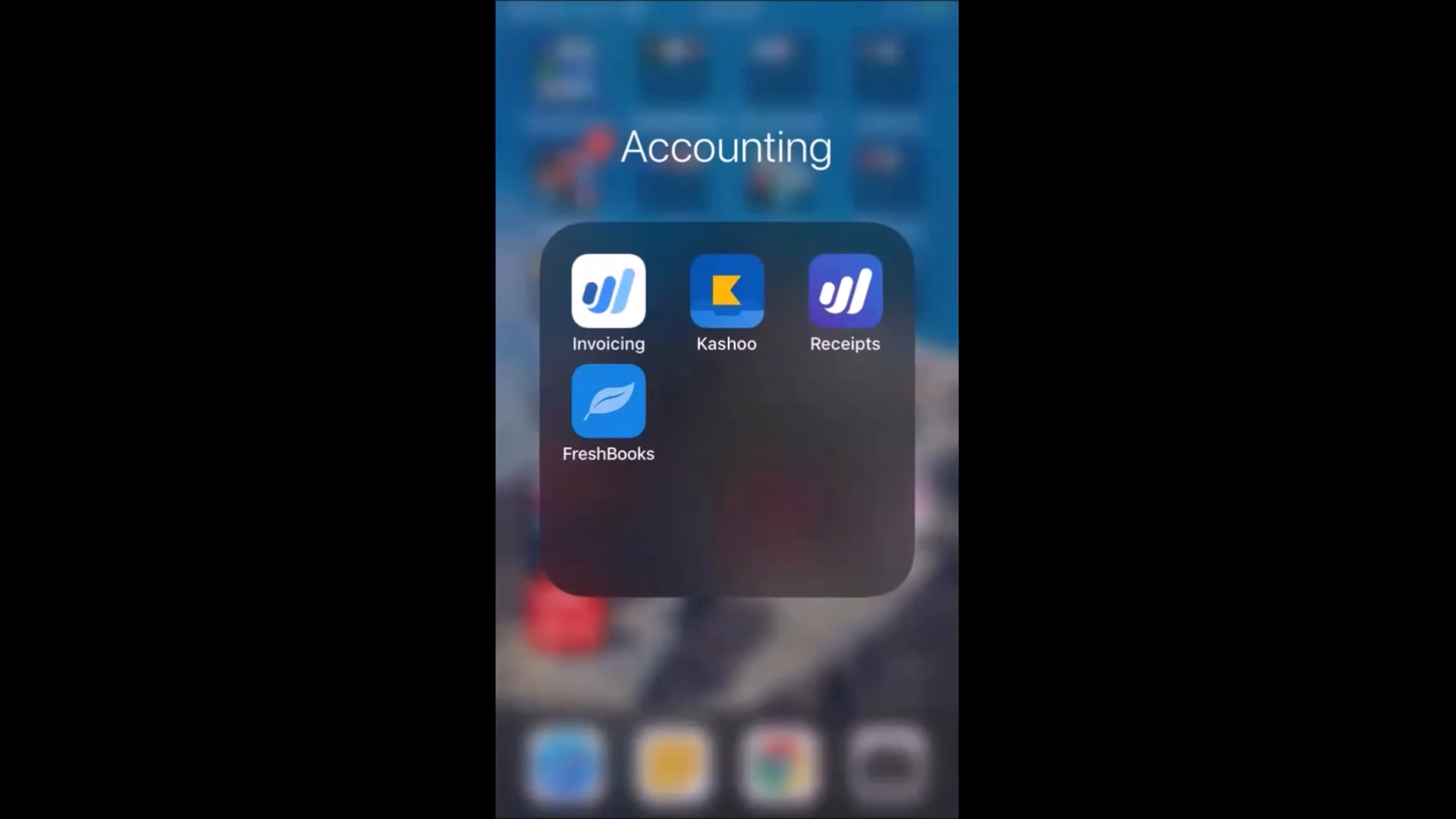
Managing finances is essential for both personal and business purposes. Invoicing applications like Wave and Kashoo simplify the process of creating and tracking invoices.

Wave Accounting App

Wave is particularly beneficial for freelancers and small businesses, allowing you to manage invoices, payments, and customer information seamlessly.

Printing 🖨️

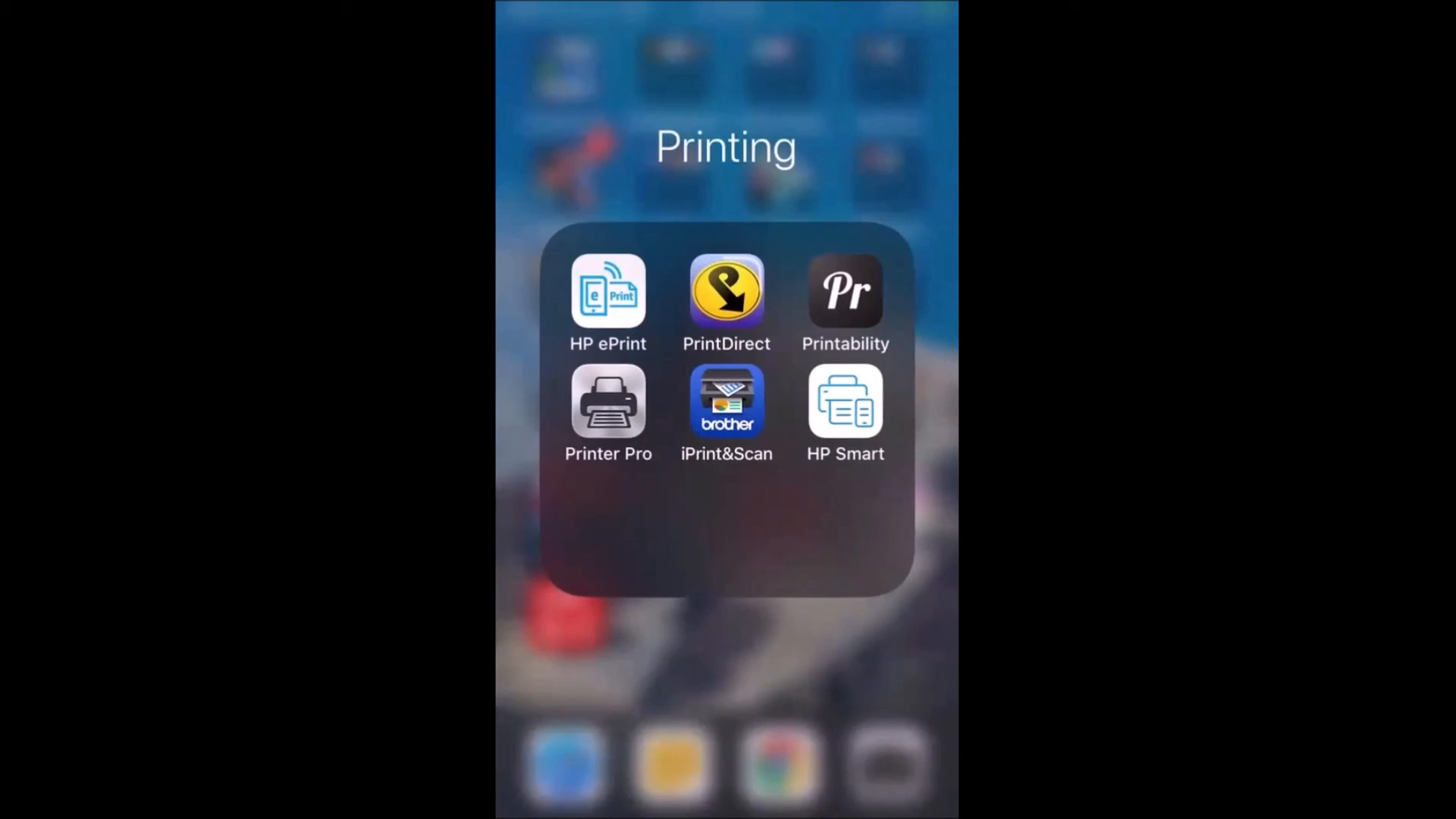
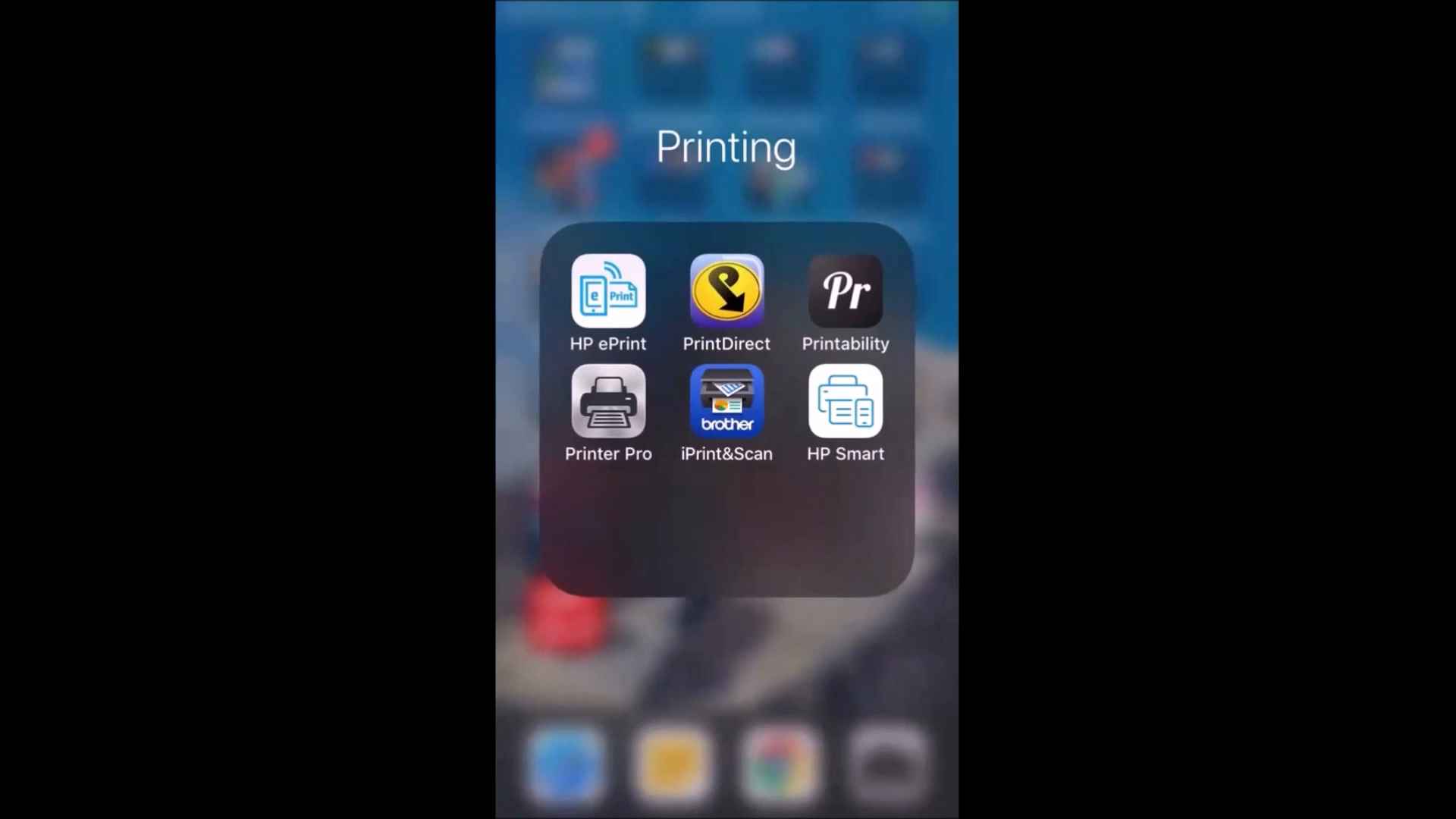
When you're on the go, printing documents can become a challenge. PrintDirect, Printer Pro, and HP Smart are three applications that make printing from your smartphone a breeze.

PrintDirect App

PrintDirect allows you to print directly from your phone, while Printer Pro connects your device to desktop applications for printing. HP Smart takes it a step further by enabling cloud printing, allowing you to send documents to print from anywhere in the world.

HP Smart App

FAQ ❓

What is the Pomodoro technique?

The Pomodoro technique is a time management method that involves working in focused bursts of 25 minutes followed by short breaks. This approach helps maintain productivity and prevents burnout.

How does Dashlane enhance security?

Dashlane stores passwords securely and generates strong passwords for your accounts. It uses encryption to protect your data, ensuring that only you can access your passwords.

What features does Storm Radar offer?

Storm Radar provides real-time weather updates, including radar images, severe weather alerts, and detailed forecasts, allowing users to plan their activities accordingly.

Can Evernote sync across devices?

Yes, Evernote automatically synchronizes your notes and contacts across all devices, ensuring you have access to your information wherever you are.

What is the benefit of using mind mapping applications?

Mind mapping applications help organize thoughts visually, making it easier to brainstorm and present ideas clearly during discussions or meetings.

In conclusion, leveraging smart applications for tasks such as time management, password security, weather tracking, translation, and photography can significantly enhance your productivity. By choosing the right tools, you can streamline your workflow and make your daily routines more efficient. For more insights, check out the full video here.

P. Geo. Ricardo A Valls, M. Sc.

Valls Geoconsultant

ORCID ID- https://orcid.org/0000-0002-5421-0914

Scopus Author ID: 7003369619/35335510700

ResearcherID: S-6604-2018

If you like this content, please "buy me a coffee" https://www.buymeacoffee.com/goldendroplets

#planetearth #geology #mining #exploration #education #earthscience #geologia #earthscienceteacher #cienciasnaturales #cienciasgeologicas #geochemistry #geochemistrybooks #geoquimica #trainingcourses #teachingonline #vallsgeoconsultant #vallsvg #technotectonics #goldendroplets #geovoices

Made with VideoToBlog